GLP-1 medications — Mounjaro, Wegovy, Ozempic — are the biggest shift in weight management in a generation, and hundreds of thousands of UK adults are now on them. The conversation everywhere is about the drugs. Almost nobody is writing seriously about the nutrition problem they create: when appetite drops by half, so does everything that came with the food — protein, fibre, vitamins, minerals. This is the companion protocol that problem demands. It is not medical advice, and nothing here replaces your prescriber's guidance — it's the nutritional support layer around it.
The Core Problem: Muscle Goes Down With the Weight
Studies of GLP-1 weight loss consistently show that a substantial fraction of total weight lost — commonly cited at 25–40% — is lean mass, not fat, when protein intake and resistance exercise aren't protected. Losing muscle lowers metabolic rate and sets up the classic rebound. The two countermeasures with real evidence are unglamorous: eat enough protein and do resistance training. Supplements serve those two goals; they don't replace them.
The Five-Part Companion Stack
1. Protein — the non-negotiable
Guidance for people in aggressive weight loss clusters around 1.2–1.6g protein per kg of body weight daily — difficult to eat when you're barely hungry, which is exactly when a shake earns its place: 20–25g of protein in a few hundred millilitres, no appetite required. WheyPro delivers 23.6g per serving (halal certified, clean label); dairy-free routes: PeaPro or RicePro for sensitive stomachs — relevant, since GLP-1s slow digestion and heavy meals sit badly.
2. Creatine — the muscle-retention multiplier
Creatine monohydrate is the most-evidenced sports supplement in existence for preserving and building lean mass alongside resistance training — exactly the priority on GLP-1s. 3–5g daily, no loading needed: unflavoured halal creatine. Why it's not just for bodybuilders: creatine for women.
3. Fibre — because constipation is the #1 complaint
Slowed gastric emptying plus less food equals the most common GLP-1 side effect: constipation. Psyllium is the GP-recommended first-line fibre, and it also carries cholesterol and satiety relevance — we've called it the GLP-1-era fibre. Options: BioSlim powder or FibreFix capsules. Always with plenty of water. If things still stall, the magnesium route is the herb-free rescue.
4. A complete multivitamin — the shrunken-plate insurance policy
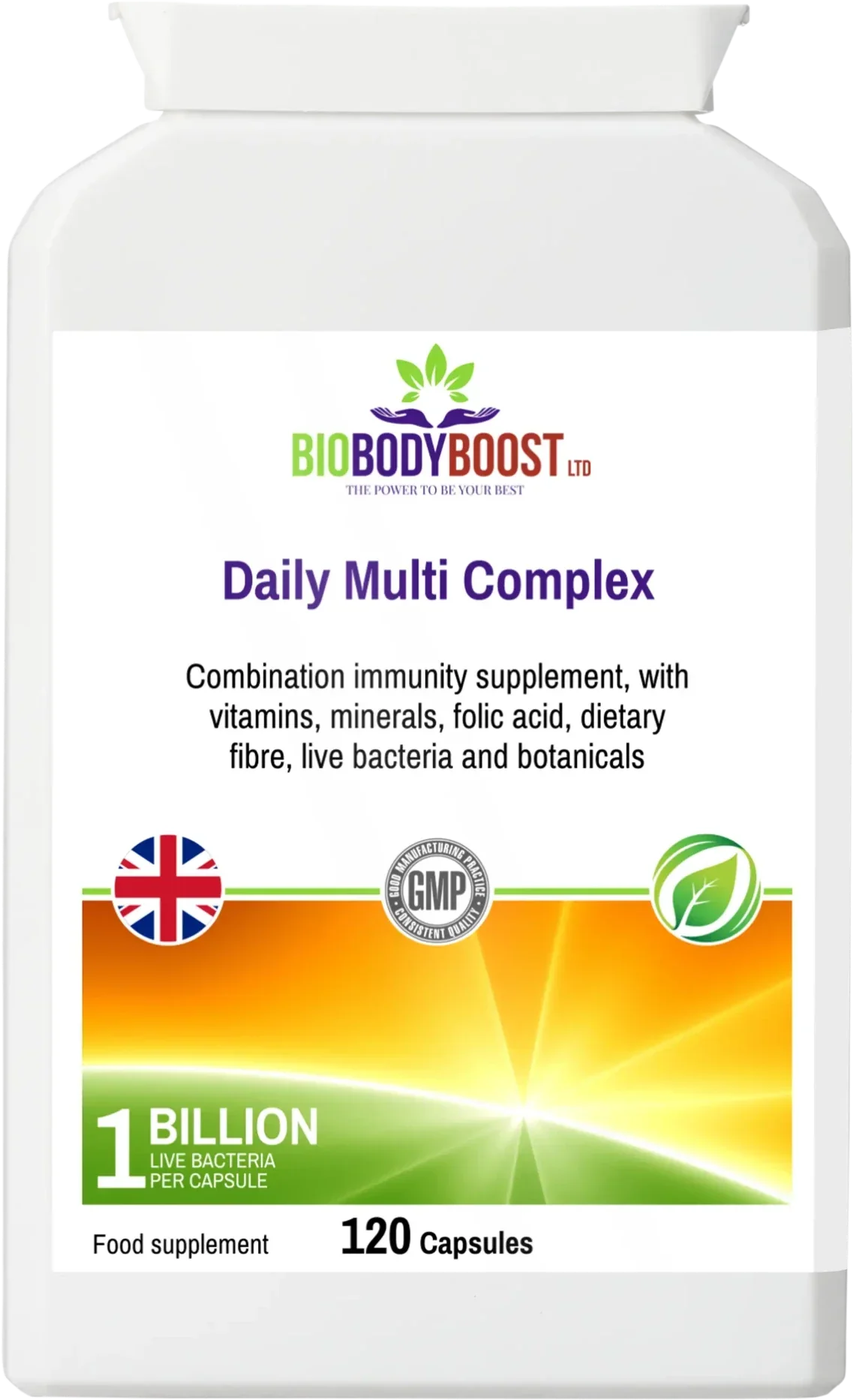
Half the food means half the micronutrients. This is the one context where a genuinely complete daily multi is close to mandatory rather than optional. Daily Multi Complex covers 17 vitamins and minerals plus probiotics and fibre in one — built for exactly this whole-base-covered role. What "complete" should mean: our multivitamin standard.
5. Collagen — for the face and skin conversation
Rapid weight loss and skin laxity — "Ozempic face" — has made collagen the other GLP-1 companion trend. The honest evidence (hydration and elasticity improvements over 8–12 weeks at proper doses) is in our dedicated guide: collagen in the GLP-1 era. The 9g dose: Marine Collagen.

Timing Around Nausea
Practical patterns from GLP-1 users: capsules with the day's most tolerated meal (often earlier); protein shakes sipped slowly rather than downed; fibre away from the worst-nausea window and never dry; nothing large in the evening if reflux is an issue. Small, spaced, liquid-leaning is the theme.
What to Skip
- "Natural Ozempic" supplements — nothing over the counter replicates GLP-1 agonism; berberine is interesting for metabolic support but is not the drug (honest berberine review)
- Fat burners and stimulant stacks — appetite is already suppressed; adding stimulants on a shrunken intake is a bad trade
- Detox teas — always, but especially now
FAQs
Can I take supplements with Mounjaro or Wegovy?
Standard food supplements are generally compatible, but slowed gastric emptying can alter how things absorb and sit — introduce one at a time, and clear anything new with your prescriber or pharmacist, especially if you take other medication.
How much protein should I eat on a GLP-1?
Common guidance for preserving muscle in aggressive weight loss is 1.2–1.6g/kg/day, prioritised at every eating occasion. A daily shake typically covers a quarter to a third of it.
What helps GLP-1 constipation?
Water first, then daily psyllium, then movement; osmotic magnesium as occasional rescue. Persistent severe symptoms go back to your prescriber.
Do I still need all this after stopping the medication?
The protein, fibre and multivitamin logic follows appetite, not the drug — as intake normalises, reassess. The muscle you kept is the asset that protects against regain.
Related reading: weight management supplements and the Weight Management UK collection.
This article is general information, not medical advice. GLP-1 medications are prescription treatments — follow your prescriber's guidance, report persistent side effects, and check new supplements with your pharmacist. Food supplements should not replace a varied diet.