
That mid-afternoon crash, the snacky evenings, the bloating that makes healthy eating feel pointless - weight management rarely comes down to willpower alone. A smart guide to weight management supplements starts with that reality. The right supplement will not do the work for you, but it can make the basics easier to stick to by supporting appetite control, energy, digestion and metabolic balance.
The problem is not lack of choice. It is too much choice, mixed with bold claims and very little context. If you are trying to feel lighter, keep cravings in check and build habits that actually last, the best approach is simple - know what each type of supplement is designed to do, where it may help, and where expectations need to stay realistic.
What a guide to weight management supplements should actually cover
Most people shop for weight support with one outcome in mind, but there are several routes to get there. Some need help feeling fuller for longer. Others need steadier energy so they are not hunting for sugar by 3pm. Some are eating well but still dealing with sluggish digestion or feeling puffy after meals. That is why weight management supplements work best when matched to a specific barrier, not chosen because the label sounds dramatic.
A useful formula usually fits into one of four jobs. It may support appetite and satiety, help maintain energy and focus, support digestion and gut comfort, or complement a higher-protein, lower-calorie routine. You can think of supplements as daily support tools rather than shortcuts. They are there to reduce friction, not replace meals, movement or sleep.
The main categories that matter
Fibre and satiety support
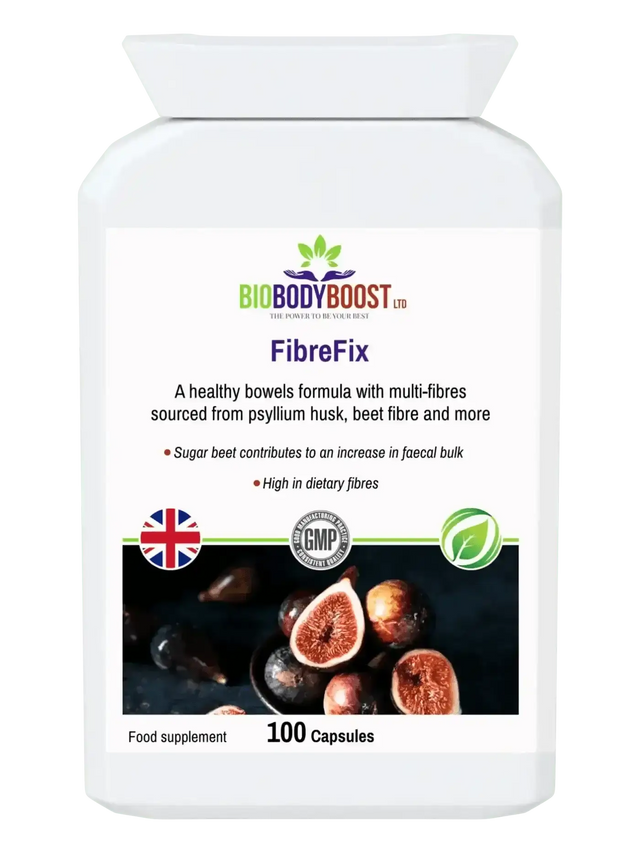
If hunger feels relentless even when meals look balanced, fibre-based support is often the first place to look. Soluble fibres can help slow digestion and improve fullness, which may make it easier to avoid constant grazing. This is especially useful for busy people who eat on the go, rush lunch or reach for easy snacks because they never quite feel satisfied.
There is a trade-off. Increase fibre too quickly and you may end up with more bloating, not less. Start low, drink enough water and give your routine a week or two before deciding if it suits you. Clean-label formulas are worth prioritising here because unnecessary fillers can make digestive comfort worse.
Protein and meal replacement support
Protein helps with fullness and can make a calorie-controlled plan feel more manageable. For some people, a protein shake or balanced meal shake is not about dieting culture at all. It is simply a practical fix for missed breakfasts, desk lunches and post-gym hunger that otherwise turns into pastries or takeaway.
This category works best when the formula is genuinely balanced and not overloaded with sugar. Plant-based blends can be an excellent fit, especially if they also support digestive ease and sit well day after day. If a product leaves you heavy, gassy or hungry again an hour later, it is probably not the right one for your routine.
Botanical blends for cravings and metabolic support
This is where labels get noisy, so a cooler head helps. Some herbal and botanical ingredients are used to support appetite, blood sugar balance or the body's natural metabolic processes. That can be helpful, particularly if your toughest moment is the evening craving spiral or a cycle of peaks and crashes after meals.
But this is also where hype tends to outrun evidence. A research-backed blend with sensible dosing and transparent labelling is far more useful than a flashy formula built around stimulant-heavy claims. If it promises dramatic fat burning, expect disappointment. If it is designed to support steadier habits, it may earn its place.
Digestive and gut support
Weight management is not only about calories. Feeling bloated, irregular or uncomfortable after meals can knock motivation fast. Gut support products such as probiotics, digestive support blends or greens powders may help some people feel more comfortable and consistent, which often makes healthy habits easier to maintain.
It depends on the cause of the issue. If overeating is driven by stress or poor sleep, a gut formula alone will not solve it. Still, if your main complaint is digestive drag, supporting gut balance can be a smart part of the bigger picture.
Ingredients worth a closer look
A few ingredient types come up again and again for good reason. Fibre sources that support fullness can be useful when portion control is the challenge. Protein from well-formulated plant sources can support satiety and help preserve lean mass during calorie reduction. Certain botanicals may support appetite regulation or metabolic health, while green tea-based ingredients are often included for gentle energy and thermogenic support.
The detail that matters most is not whether an ingredient is trendy. It is whether the formula is clear about dose, quality and intended use. Third-party tested products add confidence. Vegan, clean-ingredient blends also tend to appeal to people who want support without artificial extras, gut disruption or unnecessary allergens.
What should raise questions? Proprietary blends with no real transparency, stimulant-loaded formulas that rely on jitters to feel effective, and products that read more like marketing than formulation. If the label makes you feel like you need a chemistry degree, move on.
How to choose the right supplement for your goal
Start with the sticking point, not the fantasy result. If you are hungry all the time, a satiety or protein-focused option makes more sense than a so-called metabolism booster. If your energy dips lead to poor food choices, look for support that helps you stay steady rather than wired. If bloating is the issue, digestive support may give you more day-to-day progress than anything aimed at calorie burn.
Then check whether the formula fits your life. Can you take it daily without hassle? Does it suit a vegan or allergen-conscious routine? Will you still want to use it in three weeks, or is it so complicated it will end up forgotten at the back of the cupboard? The best supplement is often the one that is easy to stay consistent with.
For many people, simple wins. A clean meal shake for busy mornings, a fibre or protein support for appetite control, or a well-designed botanical blend for steadier cravings can go a long way when paired with decent meals and regular movement.
What supplements can and cannot do
This is where honesty matters. Weight management supplements can help you feel fuller, support better food choices, improve digestive comfort and make calorie control less frustrating. They may help reinforce a routine that supports long-term progress. That is valuable.
What they cannot do is override poor sleep, chronic stress, a diet built around ultra-processed convenience foods, or the expectation that results should arrive by next Friday. They are support, not rescue. Even strong formulas work best when your baseline habits are heading in the right direction.
If you take a supplement and eat exactly as before, move very little and sleep badly, the outcome may be minimal. If you use the same supplement to make a good routine easier to maintain, the difference can feel surprisingly practical - fewer cravings, less snacking, steadier energy, better consistency.
Red flags when shopping
Quick-fix language is the first warning sign. So are claims that sound medical without any proof cues behind them. Be wary of products that hide ingredient amounts, rely on extreme caffeine levels or promise rapid loss with no mention of nutrition, movement or routine.
A better standard is clear labelling, research-backed positioning, third-party testing and formulas built for daily use rather than dramatic short bursts. BioBodyBoost reflects that cleaner approach well, especially for shoppers who want plant-based support that feels credible, simple and easy to build into real life.
How to get better results from your supplement
Timing and consistency matter more than people think. A protein shake works best when it replaces a poor meal choice, not when it gets added on top of your usual intake. Fibre support works best when hydration is in place. Botanical blends tend to work better over time than as one-off fixes before a big meal.
It also helps to measure the right things. The scales tell only part of the story. Better appetite control, fewer sugar cravings, more regular digestion, less bloating and steadier energy are all signs that your routine is moving in the right direction. Those shifts often show up before bigger changes do.
If you have a medical condition, take medication or are pregnant or breastfeeding, check with a qualified healthcare professional before starting anything new. That is not a disclaimer for the sake of it. It is the sensible way to keep your plan safe as well as effective.
Weight management gets easier when your routine stops fighting you. Choose support that fits your real obstacle, keep your expectations grounded, and let your supplement do what it does best - make the healthier choice feel easier to repeat tomorrow.