Berberine is an alkaloid extracted from barberry (Berberis vulgaris), goldenseal and tree turmeric with over 1,000 published studies. Interest has surged in the post-Ozempic era as people seek accessible metabolic health support. The clinical evidence is legitimately strong for blood glucose — but weaker for weight loss than social media suggests.
How berberine works: four converging mechanisms
- AMPK activation: berberine activates AMP-activated protein kinase — the same metabolic energy-sensing enzyme activated by exercise, fasting and metformin. AMPK activation improves insulin sensitivity, reduces hepatic glucose production and increases cellular glucose uptake.
- Gut microbiome modulation: berberine significantly alters gut microbiome composition, increasing short-chain fatty acid-producing bacteria. Its poor oral bioavailability (15–20%) means most of its effects occur in the gut rather than systemically — this is not a flaw but part of the mechanism.
- DPP-4 inhibition: berberine weakly inhibits dipeptidyl peptidase-4, slowing the breakdown of GLP-1 and extending its blood glucose-lowering effect — the same enzyme targeted by gliptin diabetes medications.
- LDL receptor upregulation: berberine increases LDL receptor expression in the liver, increasing LDL clearance from blood — producing cholesterol-lowering effects comparable to low-dose statins in some trials, via a different mechanism to statins.
What the clinical evidence shows
Blood glucose — very strong evidence
A landmark 2008 study in Metabolism (Zhang et al.) directly compared berberine 500mg three times daily to metformin 500mg three times daily in type 2 diabetes patients over 13 weeks (n=116). Berberine reduced HbA1c by 2.0% and fasting blood glucose by 6.9 mmol/L — virtually identical to metformin (2.0% HbA1c, 6.8 mmol/L fasting glucose). A 2012 meta-analysis of 14 RCTs confirmed berberine significantly reduces HbA1c, fasting glucose and post-meal glucose across all studies. A 2019 meta-analysis in Oxidative Medicine and Cellular Longevity (27 RCTs, n=2,569) confirmed consistent and significant HbA1c reduction averaging 0.74% vs placebo.
Cholesterol — good evidence
Multiple RCTs confirm berberine reduces LDL cholesterol by approximately 20–25%, raises HDL and reduces triglycerides. The LDL receptor mechanism is distinct from statins, making berberine a potential adjunct rather than replacement. A 2015 meta-analysis in Phytomedicine (11 RCTs) confirmed significant LDL-C reductions across populations.
Weight loss — modest evidence, significantly overhyped
A 2012 RCT found berberine produced 2.3kg (approximately 5 pounds) of weight loss over 12 weeks in obese subjects — modest but statistically significant. The social media framing as “nature’s Ozempic” is misleading: GLP-1 agonists like semaglutide produce 15–20% body weight loss in trials; berberine produces approximately 3–5% in the best studies. Fundamentally different mechanisms, fundamentally different effect sizes. Berberine’s weight effects are mediated by AMPK activation and gut microbiome changes, not GLP-1 receptor agonism.
PCOS — good evidence
Multiple trials show berberine improves insulin sensitivity, reduces testosterone and restores menstrual regularity in PCOS — comparable to metformin in some trials. A 2012 RCT in Fertility and Sterility (n=89) found berberine equivalent to metformin for improving hormonal and metabolic parameters in PCOS over 3 months.
Critical drug interactions — read before taking
- Metformin and all diabetes medication (insulin, sulphonylureas): additive blood glucose lowering creates hypoglycaemia risk. Never combine without medical supervision and blood glucose monitoring.
- Warfarin: berberine inhibits CYP2C9, potentially increasing warfarin levels and bleeding risk. INR monitoring required if combining.
- Cyclosporine: berberine inhibits P-glycoprotein, significantly increasing cyclosporine blood levels — clinically significant interaction.
- Certain antibiotics: berberine has direct antimicrobial activity; may reduce efficacy of some antibiotics. Space doses by 2–3 hours.
If you take any regular prescription medication, consult your GP before using berberine.
Is berberine halal?
Berberine is a plant-derived alkaloid — inherently halal by source. The compliance check is the capsule shell (HPMC vs gelatine) and any excipients. Berberine in HPMC capsules with no porcine derivatives is halal. Check the full allergen statement on any product.
Dose, timing and tolerability
Clinical trials use 500mg two to three times daily taken with or immediately before meals. Total daily dose: 1,000–1,500mg. GI side effects (nausea, constipation, diarrhoea) occur in approximately 10–30% of users — usually dose-dependent and improving after the first 2 weeks. Start at 500mg once daily and increase gradually. Taking with food reduces GI effects significantly. Not recommended in pregnancy or breastfeeding.
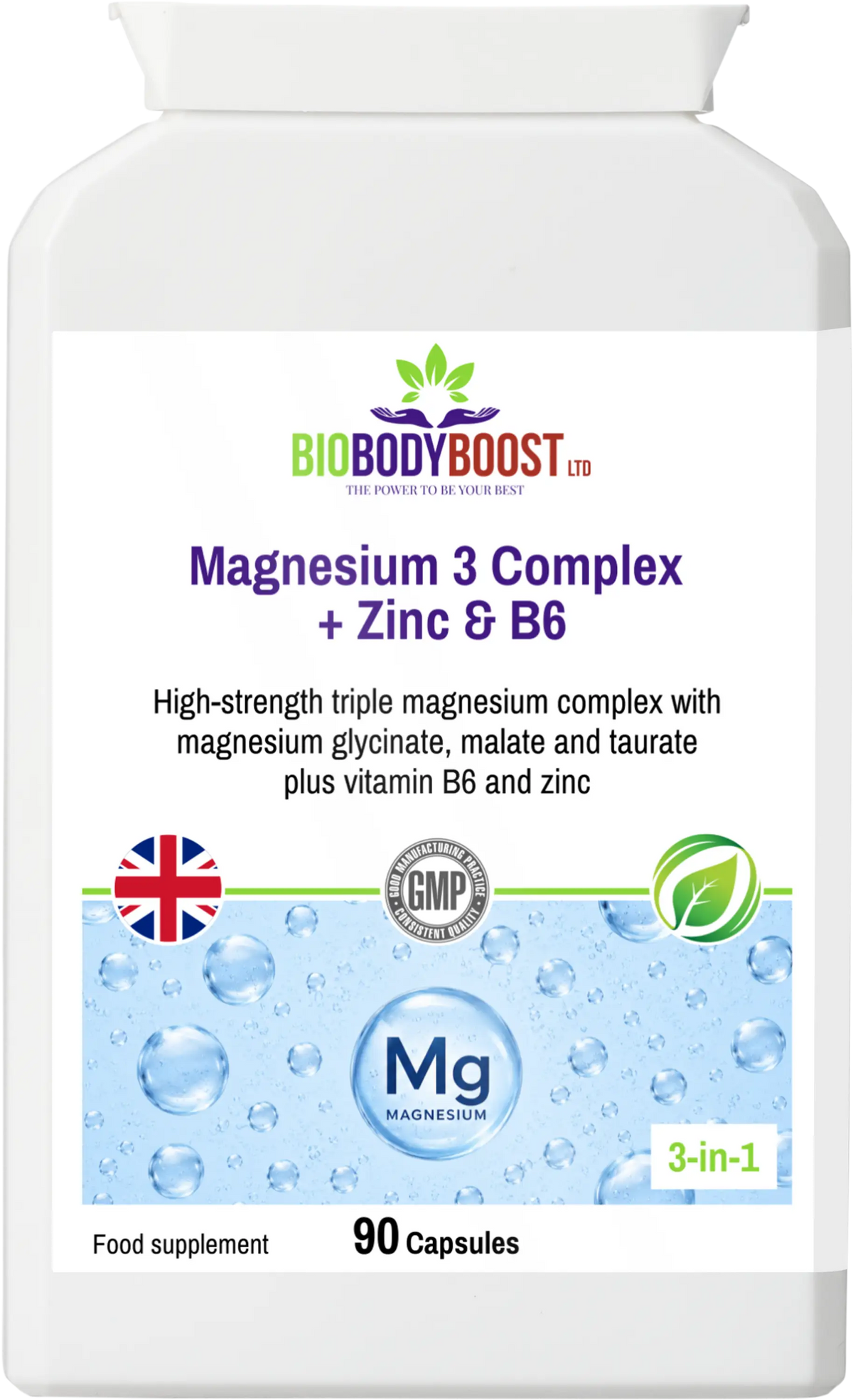
For comprehensive metabolic support alongside berberine: Magnesium 3 Complex (insulin sensitivity cofactor) and Lipovita D3+K2. All halal certified, UK GMP. Browse the full range.
Is berberine really as effective as metformin?
For blood glucose specifically, the 2008 Zhang et al. trial (n=116) found berberine and metformin produced statistically equivalent reductions in HbA1c (both ~2.0%) and fasting blood glucose over 13 weeks. However, this is one trial in type 2 diabetics, not a definitive equivalence study. Metformin has decades of cardiovascular outcome data; berberine does not. Berberine also has worse tolerability in many people and more significant drug interactions than metformin. It is a meaningful metabolic supplement — not a metformin replacement for people with diagnosed type 2 diabetes.
How long does berberine take to work?
For blood glucose: measurable HbA1c reductions are seen from 8 weeks, with trials typically showing significant effects at 12–16 weeks. For cholesterol: LDL-C reductions are detectable from 4–8 weeks of consistent use. For weight: the modest weight effects in trials were measured at 12 weeks. For PCOS hormonal parameters: 12 weeks minimum. Berberine is not a quick-acting supplement — its mechanisms involve microbiome modulation and enzyme regulation that take weeks to show measurable changes.
Can I take berberine for weight loss without diabetes?
Berberine does produce modest weight loss in overweight adults without diabetes, primarily via AMPK activation improving fat oxidation and gut microbiome changes. The effect is real but modest — approximately 2–3kg over 12 weeks in trials. It is most effective when combined with dietary changes and exercise, not as a standalone weight loss supplement. The “nature’s Ozempic” framing is misleading: GLP-1 agonists produce 15–20% body weight reduction; berberine produces approximately 3–5%. For people with insulin resistance, PCOS or prediabetes, berberine’s metabolic effects may support weight management more meaningfully than in metabolically healthy individuals.
Can I take berberine if I am on blood pressure medication?
With caution and GP awareness. Berberine has modest blood pressure-lowering effects via vasodilation and mild diuresis. If you are on antihypertensive medication, the combination may lower blood pressure further than intended. Monitor blood pressure and tell your GP. The more significant interaction concern is with diabetes medications (hypoglycaemia risk) and warfarin (INR destabilisation). Always disclose berberine use to your prescriber.