Last updated: September 2026 · Reading time: 7 minutes

Quick answer: Anything you deliberately swallow during fasting hours breaks the fast. That includes tablets, capsules, gummies, powders, effervescent vitamins and liquid drops. Formats that don't enter the body through the mouth or nose, such as skin patches and most non-nutritional injections, are generally held not to break the fast, although scholars differ on some of them. The simplest approach is to take all oral supplements at suhoor or iftar.
This guide sets out the mainstream positions so you can ask the right question. For a ruling on your own situation, speak to your local imam or a scholar you trust. The British Islamic Medical Association (BIMA) also publishes Ramadan health guidance each year.
The principle scholars start from
The fast is broken by deliberately taking food, drink or anything that reaches the stomach through an open passage (mainly the mouth and nose) during daylight hours. Supplements are not treated differently from food: a vitamin capsule swallowed at noon breaks the fast in the same way a sip of water would. Accidental swallowing, such as a drop of water while rinsing the mouth, is treated differently and generally does not.
Format by format
| Format | Mainstream position |
|---|---|
| Tablets, capsules, softgels | Break the fast |
| Gummies and chewables | Break the fast |
| Powders, shakes, effervescent tablets | Break the fast |
| Liquid drops (e.g. vitamin D drops), under-the-tongue sprays | Break the fast, because the liquid is swallowed |
| Nutritional IV drips | Generally held to break the fast, as they provide nourishment |
| Non-nutritional injections (e.g. vaccines, intramuscular B12) | Many contemporary scholars say these do not break the fast. Some prefer to delay them until after iftar to avoid doubt |
| Skin patches, creams | Generally do not break the fast |
| Eye drops, ear drops | Scholars differ. Many contemporary scholars hold they do not break the fast |
| Nasal sprays, inhalers | Scholars differ, particularly where the substance reaches the throat. Ask before relying on either |
| Toothpaste, mouthwash | Do not break the fast if nothing is swallowed, though some consider them disliked during fasting hours |
The questions we get asked most
"It's only a tiny vitamin D drop. Does that count?"
Yes. Quantity doesn't change the ruling. A 1ml drop that you swallow is treated the same as a glass of water. Take it at suhoor or iftar instead. Vitamin D is fat-soluble, so taking it with the iftar meal also helps absorption.
"What about my B12 injection?"
Many scholars treat intramuscular vitamin injections as non-nutritional and therefore not fast-breaking. Some disagree. If you have a flexible appointment, booking it after iftar removes the question entirely.
"Can I chew a gummy vitamin to break my fast at maghrib?"
You can, but dates and water are the Sunnah. It's more sensible to take supplements with your iftar meal, where food helps absorption and reduces the chance of an upset stomach.
"I take prescribed medicine during the day."
Don't stop or change prescribed medication to fast without speaking to your GP or pharmacist. Many medicines can be switched to once- or twice-daily doses around suhoor and iftar, and people whose health requires daytime medication are exempt from fasting.

Moving your routine to suhoor and iftar
Every oral supplement can fit into the two eating windows. As a rule of thumb, take fat-soluble vitamins (D, K2, omega-3) with the iftar meal; take multivitamins and B vitamins at suhoor; keep iron away from tea and coffee; take magnesium later in the evening; and take fibre supplements with a full glass of water. We cover the full timing schedule, and which nutrients matter most during Ramadan, in our complete Ramadan supplements guide.
Related reading: gut health during Ramadan, supplements for Muslim athletes and post-Ramadan recovery.
Frequently asked questions
Does a vitamin tablet break the fast?
Yes. Any supplement deliberately swallowed during fasting hours breaks the fast.
Do vitamin D drops break the fast?
Yes. Oral drops are swallowed, so take them at suhoor or with iftar.
Does a vitamin patch break the fast?
Skin patches are generally held not to break the fast, because nothing enters through the mouth or nose.
Does a B12 injection break the fast?
Many contemporary scholars say non-nutritional intramuscular injections do not break the fast, but opinions differ. Scheduling it after iftar avoids doubt.
Do eye drops break the fast?
Scholars differ. Many contemporary scholars hold that they do not. Ask your imam if you're unsure.
Halal approved supplements for suhoor and iftar.
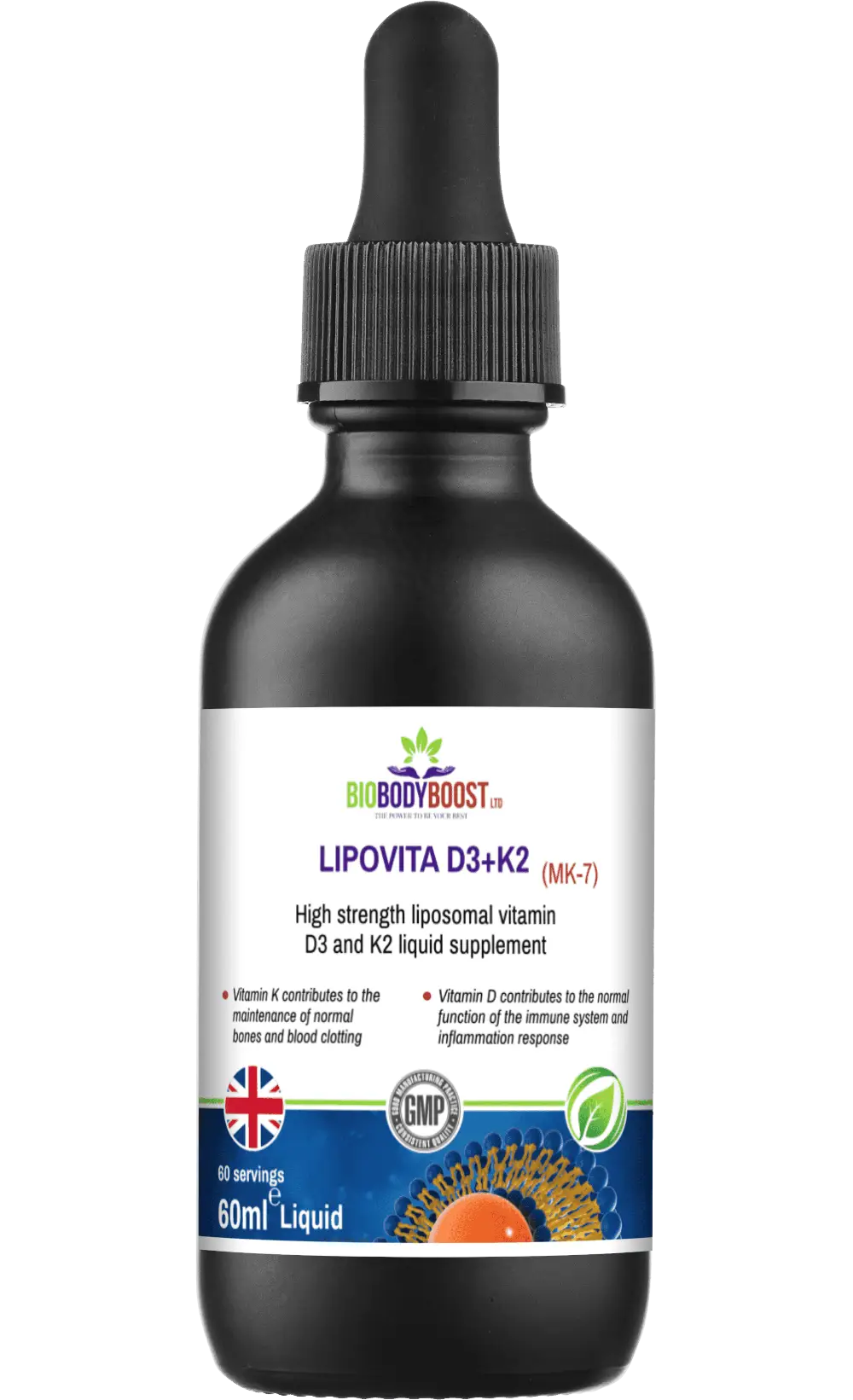
Use code HALAL10 for 10% off your first order. Shop vitamin D3 + K2 drops →
This article summarises commonly held scholarly positions for general information. It is not a religious ruling or medical advice. Consult a qualified scholar for rulings and your GP or pharmacist about medication.