Ramadan produces one of the most dramatic short-term shifts in eating patterns of any annual dietary event. Two meals per day (Suhoor and Iftar) replacing three to four, a compressed eating window, significant changes in meal composition, and for many people — a substantial increase in sugar and refined carbohydrate at Iftar. These changes affect the gut microbiome in ways that are only beginning to be characterised by research — with both potential benefits and risks that are worth understanding before supplementing.
The NHS acknowledges probiotics as beneficial for some digestive conditions, and the gut microbiome’s importance to overall health — immunity, mental health, metabolic function — is one of the most active research areas in medicine. During Ramadan, the microbiome is under particular stress that makes thoughtful gut support especially valuable.
What Ramadan does to your microbiome
The intermittent fasting effect (beneficial): Ozkul et al. (2019, Journal of Nutritional Biochemistry, n=30 healthy adults during Ramadan) found significant changes in gut microbiome composition during fasting — including increases in Akkermansia muciniphila (a species associated with metabolic health and gut barrier integrity) and changes in Firmicutes:Bacteroidetes ratio. The extended daily fasting window appeared to shift the microbiome toward a composition associated with better metabolic markers.
The Iftar sugar load (problematic): the traditional Iftar pattern — dates, juices, sweet drinks and pastries immediately after fast-breaking — delivers a significant sugar bolus to the gut after 12–18 hours of fasting. This rapid carbohydrate influx feeds opportunistic bacteria and yeast, potentially disrupting the beneficial shifts created by fasting. Dysbiotic bacteria (including Clostridium difficile, Candida) are opportunistically fed by sugar spikes. Post-Iftar bloating, gas and digestive discomfort are the everyday manifestation of this.
Reduced fibre intake: the compressed eating window typically reduces total fibre intake, since there is less time and appetite for fibre-rich foods. Reduced fibre starves beneficial Bifidobacterium and Lactobacillus species that depend on prebiotic fibre for fuel, reducing their populations over the Ramadan month.
Dehydration: fluid restriction during fasting hours concentrates gut contents, reduces mucosal blood flow and can impair the mucus layer protecting the gut epithelium — increasing intestinal permeability (“leaky gut”) transiently.
The evidence-based Ramadan gut protocol
1. Probiotics — take at Suhoor
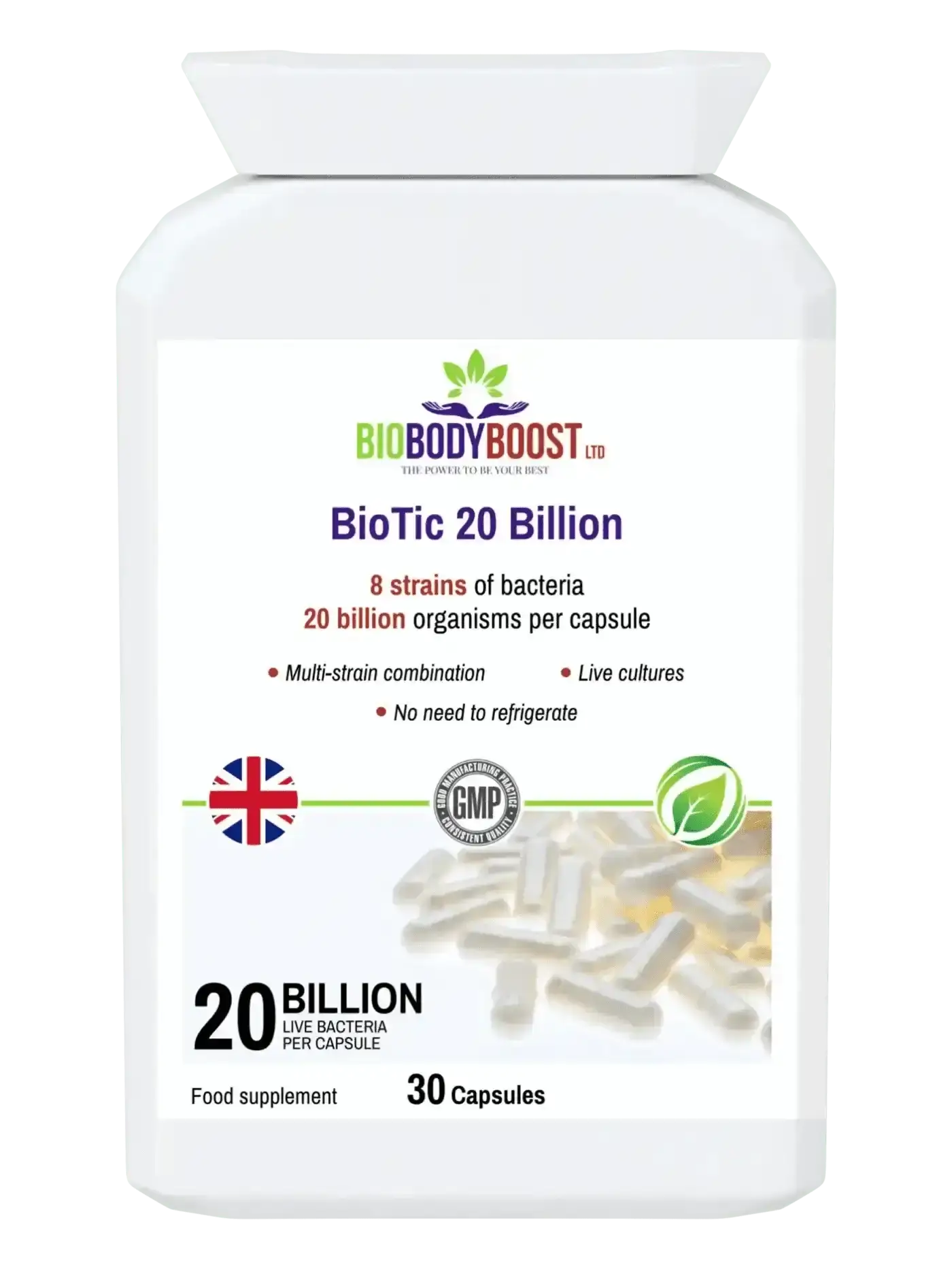
Multi-strain probiotic at Suhoor (pre-dawn meal): taken with food, the bacteria have the best chance of surviving stomach acid transit, reaching the colon and establishing before the fasting period begins. Evidence supports probiotics for reducing post-antibiotic dysbiosis, IBS symptoms and restoring microbiome diversity. A 2019 Ramadan-specific probiotic RCT (Bander et al.) found multi-strain probiotic supplementation during Ramadan significantly improved gastrointestinal symptoms and quality of life vs placebo. BioTic 20 Billion — 20 billion CFU, 8 strains, halal certified, vegan. Or for travel or antibiotic recovery alongside Ramadan: SaccharoMyTum (Saccharomyces boulardii yeast biotic — resistant to stomach acid, reaches the colon intact).
2. Break the fast with fibre, not sugar first
The sunnah of breaking the fast with dates is nutritionally sound — dates provide natural sugars, potassium, fibre and B vitamins. The problem is the volume of additional sweets, juices and pastries that follow. Prioritising protein (eggs, lentils, lean meat) and vegetables early in Iftar before sweet foods significantly reduces the dysbiotic sugar bolus reaching the colon.
3. Psyllium husk / fibre supplementation
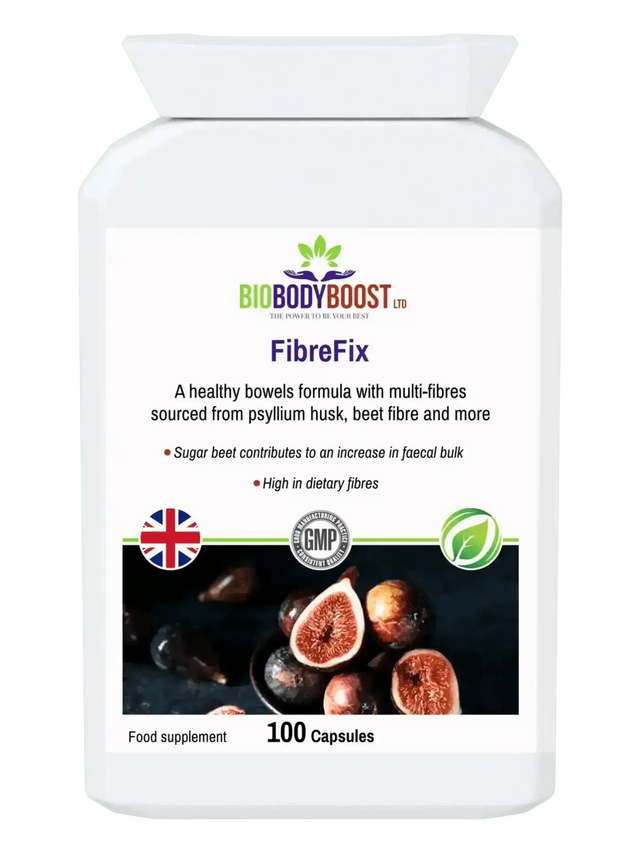
To compensate for reduced dietary fibre in the compressed eating window, psyllium husk at Suhoor provides prebiotic fibre that feeds beneficial bacteria through the fasting day. BioSlim provides psyllium husk with glucomannan — take with a full glass of water at Suhoor. Halal certified.
4. Digestive enzymes at Iftar
After 12–18 hours of fasting, the digestive system’s enzyme production is at reduced output. A large, varied Iftar meal then presents the digestive system with maximum demand at minimum enzyme availability — contributing to bloating, discomfort and incomplete digestion. Digestive enzymes taken with the first bites of Iftar significantly improve immediate digestion. BioHep contains choline — important for bile production and fat digestion. Halal certified.
Should I take probiotics during Ramadan?
Yes — and Suhoor is the optimal time. Taking multi-strain probiotics with food at Suhoor gives the bacteria the best chance of surviving stomach acid transit and colonising the colon before the fasting period. A 2019 Ramadan-specific RCT found multi-strain probiotics significantly improved gastrointestinal symptoms and quality of life vs placebo during Ramadan fasting. The compressed eating window and Iftar sugar load create conditions of microbiome disruption that probiotic support directly addresses. BioTic 20 Billion (20 billion CFU, 8 strains) at Suhoor daily throughout Ramadan is the recommended approach.
Why do I get bloated after Iftar?
Post-Iftar bloating has three main causes: (1) reduced digestive enzyme output after prolonged fasting — the digestive system has been in low-output mode; (2) rapid consumption of large volumes of food — particularly air-swallowing when eating and drinking quickly after the fast; (3) high fermentable carbohydrate load from sweet Iftar foods feeding gas-producing gut bacteria. Practical solutions: take a digestive enzyme supplement with the first bites of Iftar; eat more slowly; reduce sugar and refined carbohydrate early in the meal; take a multi-strain probiotic at Suhoor to maintain a healthier microbiome composition throughout the fasting month.