

Quick answer: the period immediately after Ramadan is almost entirely ignored by supplement brands — but it is one of the most physiologically significant transitions of the year. Thirty days of intermittent fasting, altered sleep (Tarawih prayers, Suhoor before dawn), shifted eating windows and reduced physical activity create measurable changes in the body that benefit from a deliberate recovery protocol. This guide covers what Ramadan depletes, what rebuilds and the specific halal-certified supplement protocol for the post-Ramadan month.
What 30 days of Ramadan fasting actually depletes
- Muscle protein: fasting windows of 14–18 hours trigger muscle protein breakdown. Without protein at Suhoor, muscle mass erosion builds over 30 days.
- Iron and B12: reduced overall food volume depletes micronutrients. Premenopausal women are at highest risk for iron depletion.
- Magnesium: lost through sweat and reduced dietary intake. Sleep disruption from Tarawih and Suhoor accelerates magnesium depletion.
- Gut microbiome: the dramatic shift to one eating window at night alters gut bacterial circadian rhythms. Bifidobacteria populations shift and take weeks to normalise post-Ramadan.
- Electrolytes: the fasting window restricts fluid intake for 14–17 hours, disrupting sodium, potassium and magnesium balance.
The post-Ramadan recovery protocol — 4 weeks
Week 1 — Rehydration and electrolyte restoration
First priority: restore hydration and electrolyte balance. 2–3 litres of water daily with electrolytes in at least one litre. Electro-Hidr8 — balanced electrolyte drink mix, halal certified, no E120, no alcohol-based flavourings.

The electrolyte breakdown behind week 1 of recovery — sodium, potassium and magnesium, no E120, no alcohol carriers.
Week 1–2 — Protein rebuilding
Target 1.6–2.0g protein per kg bodyweight daily to rebuild any muscle protein lost during Ramadan. WheyPro (halal whey) or PeaPro (vegan pea protein) — both halal certified under UHA Cert Ref. 24623.
Week 1–4 — Micronutrient repletion
The post-Ramadan month is the time to correct micronutrient deficits that built up over 30 days. Daily Multi Complex — full B vitamin matrix, iron 14mg, vitamin D 400 IU, zinc. Halal certified. Take daily with your largest meal for the full recovery month.
Week 1–4 — Magnesium for sleep normalisation
Sleep architecture takes 2–3 weeks to normalise after the Ramadan pattern ends. Tarawih + Suhoor creates significant sleep debt and fragmentation. Abbasi 2012 RCT (n=46): magnesium supplementation significantly improved sleep efficiency and onset latency. Take 300mg magnesium glycinate 30 minutes before bed. Magnesium 3 Complex — halal certified.
Week 2–4 — Gut microbiome restoration
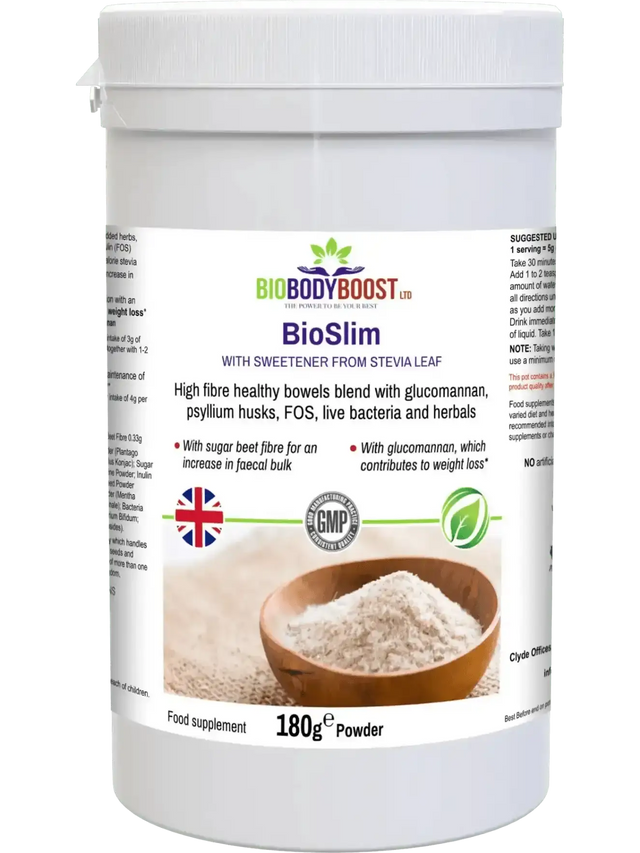
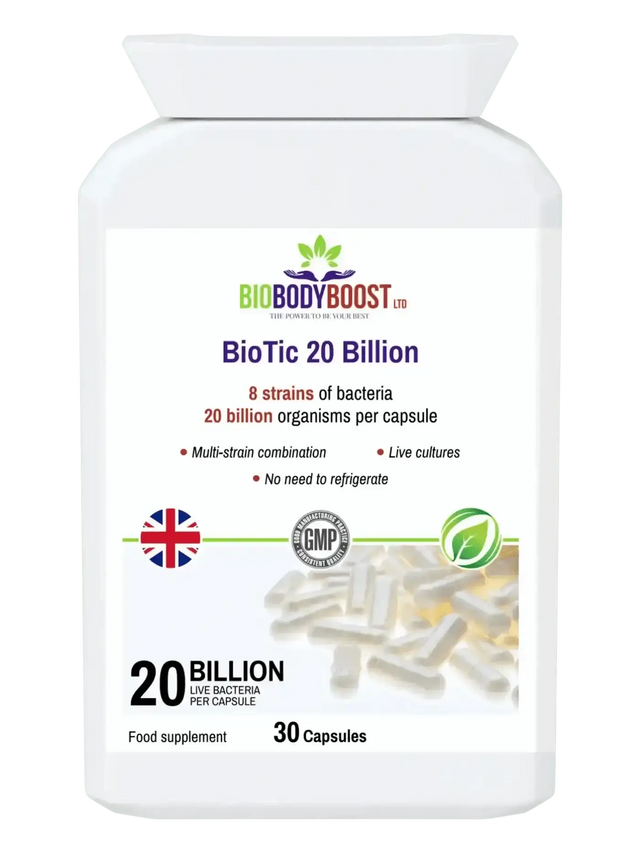
Prebiotic + probiotic combination: BioSlim (inulin FOS + psyllium + glucomannan) + BioTic 20 Billion (8 strains, 20bn CFU). Both halal certified, vegan.
| Week | Focus | Supplements |
|---|---|---|
| 1 | Rehydration + electrolytes | Electro-Hidr8, WheyPro/PeaPro, Daily Multi |
| 1–2 | Protein + sleep | Above + Magnesium 3 Complex at bedtime |
| 2–4 | Gut + full recovery | Above + BioTic 20B + BioSlim |
What supplements should I take after Ramadan?
The most impactful post-Ramadan supplements: (1) protein — WheyPro or PeaPro at 1.6–2.0g/kg/day; (2) electrolytes — Electro-Hidr8 for rehydration in week 1; (3) Daily Multi Complex for iron, B12, B vitamins and vitamin D; (4) Magnesium 3 Complex for sleep normalisation; (5) BioTic 20 Billion + BioSlim for gut microbiome recovery. Allow 4 weeks for full physiological normalisation.
How long does it take to recover from Ramadan fasting?
Sleep architecture normalises in 2–3 weeks. Gut microbiome: 2–4 weeks with probiotic + prebiotic support. Muscle protein: 4–8 weeks at 1.6–2.0g/kg/day protein intake. Micronutrients (B12, iron, magnesium): 2–4 weeks of supplementation. Insulin sensitivity (which often improves during Ramadan) can deteriorate back to baseline within 2–4 weeks post-Ramadan if eating patterns return to pre-Ramadan habits.
BioBodyBoost — Halal Certified UK Supplements
Use code HALAL10 for 10% off your first order — halal approved under UHA Certificate Ref. 24623, vegan, UK made. Shop the full range →