Quick answer: supplements taken at Suhoor or Iftar do not break the fast, and moving your whole routine into these two windows is the recommended approach. Most supplements can be redistributed without losing effectiveness. The most important supplements during Ramadan are magnesium (depleted by fasting and stress), vitamin D (particularly for UK Muslim communities with higher baseline deficiency), electrolytes (for long fasting hours in summer) and probiotics (to support the microbiome through changed meal timing).
Does taking a supplement break the fast?
Yes, if it's swallowed during fasting hours. The mainstream position is that tablets, capsules, gummies, powders and liquid drops taken by mouth between dawn and sunset break the fast, just as food and drink do. Some formats that don't enter through the mouth, such as skin patches and many non-nutritional injections, are treated differently, and scholars differ on others. We cover every format, including B12 injections, eye drops and inhalers, in Does taking a supplement break your fast?
The practical answer is simple: take all oral supplements at Suhoor or Iftar, using the schedule below. For a ruling on your own situation, speak to your local imam or a qualified scholar.
Why nutrient needs change during Ramadan
Extended fasting (16–18 hours in UK summer months, 12–14 in winter), disrupted sleep, changed meal composition and altered eating windows create specific nutritional demands:
- Magnesium: lost through sweat and urine throughout the fasting day, and depleted further by the cortisol stress response to fasting. Deficiency causes fatigue, headaches, muscle cramps and poor sleep — all common Ramadan complaints. UK dietary surveys show approximately 70% of adults already below the RNI before Ramadan.
- Vitamin D: UK Muslims are disproportionately vitamin D deficient (darker skin tones require significantly more UV-B, and UK latitudes produce no meaningful skin synthesis October to April). Altered schedules and limited outdoor exposure during Ramadan can further reduce synthesis.
- Electrolytes: sodium, potassium and chloride lost through perspiration during long fasting hours are not replaced until Iftar. This contributes directly to headaches, fatigue and brain fog — particularly during UK summer Ramadan.
- Omega-3: simplified eating patterns during Ramadan often reduce oily fish consumption. EPA and DHA support brain function and mood regulation — relevant given cognitive demands of Tarawih and extended prayer schedules.
- Probiotics: the gut microbiome follows a circadian rhythm. Significant shifts in meal timing disrupt microbial composition, causing digestive discomfort, irregularity and bloating that many people experience during Ramadan.
Optimal Ramadan supplement schedule
| Supplement | Best timing | Why |
|---|---|---|
| Vitamin D3 + K2 | Iftar — with food | Fat-soluble; 56% absorption improvement with fat (Mulligan 2010 JBMR) |
| Magnesium glycinate | After Tarawih / before sleep | Supports sleep quality and reduces nighttime cramps |
| Omega-3 | Suhoor or Iftar — with food | Fat-soluble; 54% absorption improvement with food (EJCN 2019) |
| Probiotic | Suhoor — with a small amount of food | Meal raises gastric pH, significantly improving strain survival (Beneficial Microbes 2011) |
| Multivitamin | Iftar — with food | B vitamins and water-soluble nutrients absorb well with food |
| Electrolytes | Immediately at Iftar — first thing | Replaces fasting-day losses before food; reduces Iftar headaches |
| Iron (if supplementing) | Suhoor — away from dairy | Calcium blocks iron absorption by up to 49% (Hallberg 1991) |
The four most important Ramadan supplements
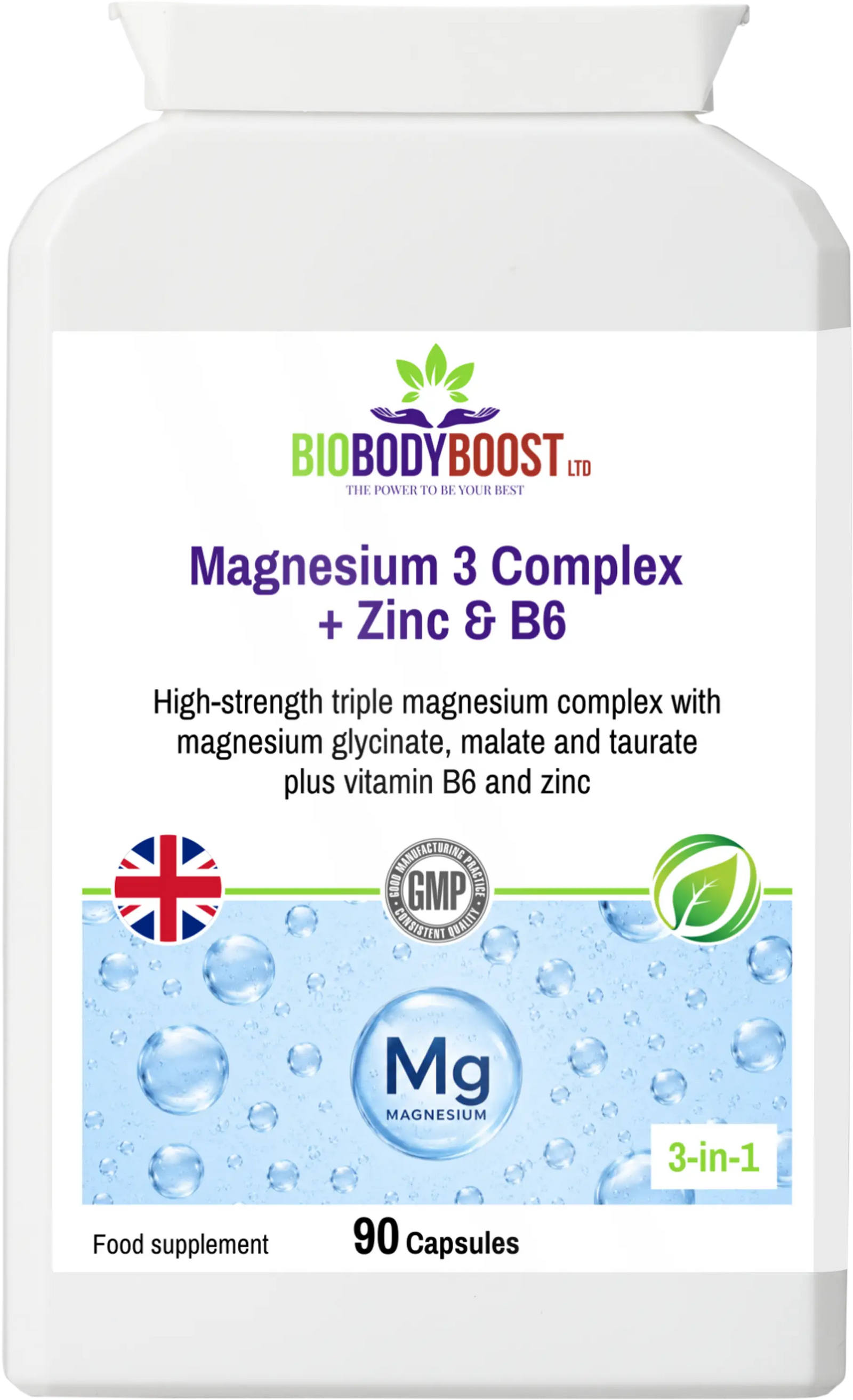
Magnesium — the most important Ramadan supplement. Fatigue, headaches and poor sleep are the most common Ramadan health complaints. All three are classic magnesium deficiency symptoms that fasting worsens. A well-absorbed chelated form taken after Tarawih supports sleep and prevents nighttime cramps. Our Magnesium 3 Complex — glycinate + malate + taurate, zinc and B6, halal approved.
Vitamin D3 + K2 — particularly critical when Ramadan falls in UK winter months. Liposomal format is the most practical for Ramadan as it does not require taking with large amounts of food. Our Lipovita D3+K2 drops — algae-sourced D3, liposomal, halal approved.
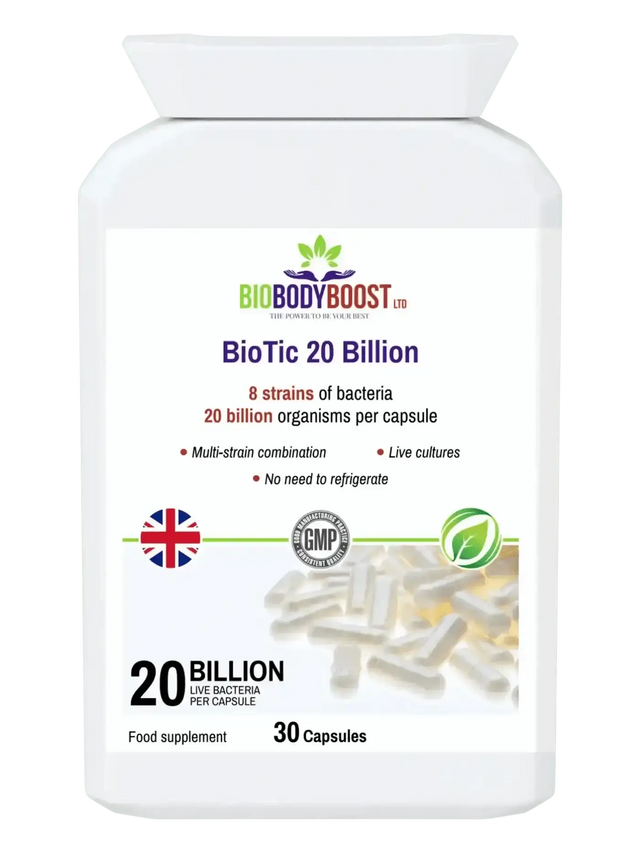
Probiotics — the gut microbiome follows a circadian clock that Ramadan eating patterns disrupt directly. Research in Nutrients (2021) confirmed that time-restricted eating significantly alters microbial composition. Probiotic supplementation during Ramadan helps maintain gut function. Our BioTic 20 Billion — halal approved, HPMC capsules.
Electrolytes — particularly for summer Ramadan. The first supplement to take at Iftar, before food, to begin replenishing the day’s losses. Our Electro-Hidr8 — carbohydrate-electrolyte drink mix, halal approved.
What to avoid during Ramadan
- High-stimulant supplements (pre-workouts, high-dose caffeine on an empty stomach) — destabilise blood sugar and worsen dehydration
- Fat-soluble vitamins without food — vitamins A, D, E, K require dietary fat; taking on an empty fasted stomach wastes the dose
- Iron at Iftar alongside dairy: calcium blocks iron absorption by up to 49% — take iron at Suhoor away from dairy if supplementing
- Any supplement with non-halal ingredients — see our full guide: how to check any supplement for halal compliance
All BioBodyBoost products are halal approved, and almost all are vegan in HPMC capsules. Browse the full halal approved range.
Does taking a supplement break your Ramadan fast?
Yes, if you swallow it during fasting hours. Tablets, capsules, gummies, powders and oral drops all break the fast when taken between dawn and sunset. Take them at Suhoor or Iftar instead. Scholars treat some non-oral formats, such as patches and certain injections, differently. See our format-by-format guide, and consult a qualified scholar for a personal ruling.
What vitamins should I take during Ramadan?
Prioritise: (1) magnesium glycinate or malate — the most common Ramadan deficiency, causing fatigue, headaches and poor sleep; take after Tarawih; (2) vitamin D3 + K2 — particularly in winter Ramadan when UK sunlight is insufficient; take at Iftar with food; (3) electrolytes — sodium, potassium, magnesium replacement immediately at Iftar, especially in summer; (4) probiotics — at Suhoor with a small amount of food to support microbiome disruption from changed meal timing. Omega-3 is also worth maintaining at either meal window for brain and mood support during the month.
Can athletes take creatine and protein during Ramadan?
Yes — protein powder and creatine can be taken at Suhoor or Iftar without breaking the fast. Creatine monohydrate (3–5g/day) can be taken at either window, because it works through gradual muscle saturation rather than exact timing. The main practical challenge is reaching your daily protein target across two eating windows. Full guide: supplements for Muslim athletes during Ramadan.
Is it safe to train during Ramadan?
For most healthy adults, yes, with adjusted timing. Most people do best training 60–90 minutes after Iftar, with light sessions just before Iftar. Avoid high-stimulant pre-workouts on an empty stomach. We cover training windows, a sample week and hydration in our Ramadan training schedule.