This article is for general nutritional information only and does not constitute medical advice. If you have concerns about blood sugar or diabetes, speak to your GP. Type 2 diabetes requires medical assessment and management.
UK South Asians face a disproportionate type 2 diabetes burden that is one of the most significant and least-addressed health inequalities in Britain. The NHS identifies type 2 diabetes as a major public health priority — and South Asian communities sit at the sharp end of that priority. Understanding why, and what evidence-based nutritional support exists alongside lifestyle changes, is what this guide covers.
The South Asian T2D risk: the numbers
Barnett et al. (2006, Diabetologia) established that UK South Asians are 2–6 times more likely to develop type 2 diabetes than white Europeans, develop the condition 5–10 years earlier, and experience more severe cardiovascular complications. UK South Asians constitute approximately 7% of the UK population — around 4.6 million people — making this not a marginal health disparity but a major public health issue.
The NHS Diabetes Prevention Programme specifically targets high-risk groups including South Asian communities through lifestyle intervention. The programme focuses on diet, exercise and weight management — the foundational interventions. Nutritional supplementation sits alongside these, not instead of them.
The biological mechanisms behind elevated South Asian T2D risk include: higher visceral adiposity at lower BMI (central fat that is more metabolically active), lower lean muscle mass relative to body weight (reducing glucose disposal capacity), higher baseline insulin resistance, lower vitamin D levels (impairs insulin signalling), and lower magnesium levels (impairs insulin receptor function).
Magnesium — the most directly relevant deficiency
Magnesium is a required cofactor for insulin receptor tyrosine kinase — the enzyme that initiates the cellular insulin signalling cascade. Without sufficient magnesium, insulin binds to its receptor but the signal downstream is blunted. This is insulin resistance at the molecular level, contributed to by a mineral deficiency that affects approximately 70% of UK adults.
What research shows: Rodríguez-Morán and Guerrero-Romero (2003, Diabetes Care, n=63 people with T2D and magnesium deficiency) found magnesium chloride supplementation over 16 weeks significantly improved insulin sensitivity and HbA1c vs placebo. A 2011 meta-analysis in Diabetes, Obesity and Metabolism (8 RCTs) confirmed magnesium supplementation significantly improved fasting glucose and insulin sensitivity in people with magnesium deficiency. A 2015 systematic review in Nutrients confirmed a significant inverse relationship between magnesium intake and T2D risk in prospective cohort studies.
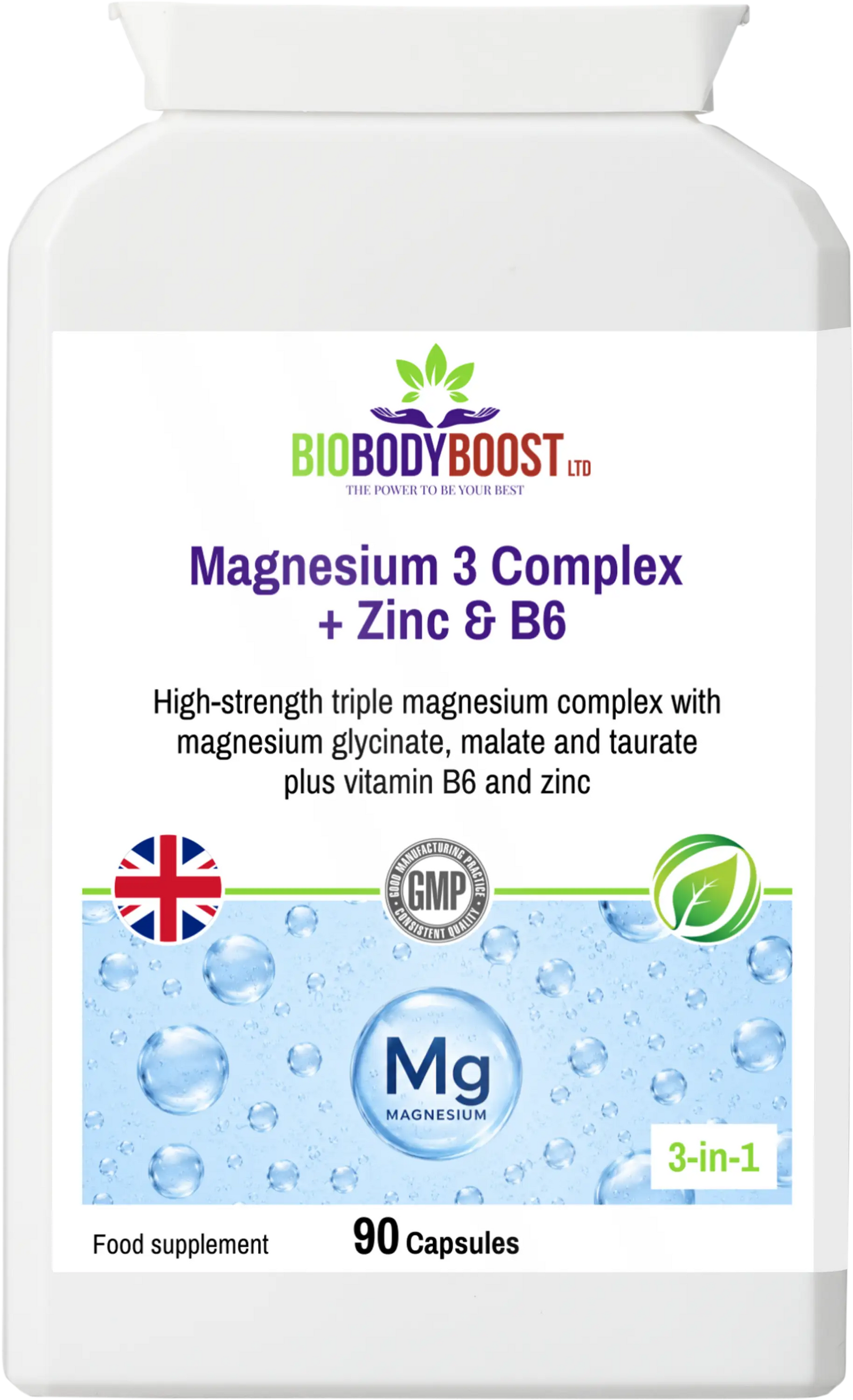
South Asian dietary patterns — lower dairy, variable nut and seed consumption, high refined carbohydrate in some communities — increase magnesium insufficiency risk above the already high UK baseline. Magnesium 3 Complex — 300mg elemental magnesium glycinate + malate + taurate, with zinc and B6. Halal certified, vegan.
Glucomannan — the EFSA-authorised blood glucose supplement
Glucomannan is a soluble fibre from konjac root. It is one of the very few supplements with an EU/UK-retained EFSA-authorised health claim specifically for blood glucose: “Glucomannan in the context of an energy-restricted diet contributes to the maintenance of normal blood cholesterol levels” and the related blood glucose regulation mechanism is well-characterised — glucomannan forms a viscous gel in the stomach, significantly slowing gastric emptying and glucose absorption, blunting post-meal blood glucose spikes.
What research shows: Sood et al. (2008, American Journal of Clinical Nutrition, meta-analysis of 14 RCTs) found glucomannan supplementation significantly reduced fasting blood glucose, total cholesterol, LDL and triglycerides vs placebo. A 2015 British Journal of Nutrition systematic review confirmed significant improvements in glycaemic control markers. The effective dose is 3–4g before meals. BioBurn contains glucomannan, halal certified. Take 30–60 minutes before main meals with a full glass of water.
Chromium — EU-authorised claim for blood glucose regulation
Chromium is an essential trace mineral with a UK-retained EU-authorised health claim: “Chromium contributes to the maintenance of normal blood glucose levels.” Chromium enhances insulin receptor sensitivity and the activity of glucose transporter GLUT4 — the primary transporter moving glucose from blood into muscle cells. Chromium deficiency impairs glucose tolerance.
What research shows: Martin et al. (2006, Metabolism) found chromium picolinate supplementation significantly improved insulin sensitivity markers in insulin-resistant adults. A 2014 meta-analysis in Obesity Reviews (19 RCTs) confirmed chromium supplementation significantly reduced fasting blood glucose in people with impaired glucose tolerance. The authorised NRV for chromium is 40μg/day — BodyLean Garcinia Complex provides 250% NRV chromium (100μg) per serving. Halal certified.
Berberine — the most discussed blood sugar supplement of 2026
Berberine is an alkaloid extracted from plants including barberry and goldenseal. It has attracted significant research attention for blood glucose management. Yin et al. (2008, Metabolism, n=97 T2D patients) found berberine at 500mg three times daily produced equivalent reductions in HbA1c and fasting glucose to metformin over 3 months — a finding that has driven enormous public interest but requires important context.
The honest position: berberine is not a replacement for metformin or medical diabetes management. The Yin trial was in newly diagnosed T2D patients — not prevention. Berberine also interacts with multiple medications (including cyclosporine and some anticoagulants) and should not be combined with diabetes medication without GP supervision. For pre-diabetic blood glucose support alongside lifestyle changes, the evidence is more promising — but always discuss with your GP before starting if you take any medication. BioBodyBoost does not currently stock berberine. For blood glucose nutritional support from the BBB range, glucomannan (EFSA-authorised claim), chromium (EFSA-authorised claim) and magnesium (insulin receptor cofactor) are the most evidence-grounded options.
Vitamin D — the South Asian deficiency compounding T2D risk
Vitamin D receptors are present on pancreatic beta cells (the insulin-producing cells) and skeletal muscle, where vitamin D supports insulin-stimulated glucose uptake. The NHS recommends vitamin D supplementation for all UK adults October to March — and year-round for people at high deficiency risk including South Asians due to higher melanin content reducing cutaneous vitamin D synthesis. A 2015 Diabetes Care meta-analysis (21 studies) found significant inverse association between vitamin D status and T2D risk. Lipovita D3+K2 — liposomal vitamin D3 (lichen-derived, vegan), halal certified.
Probiotics and the gut-glucose connection
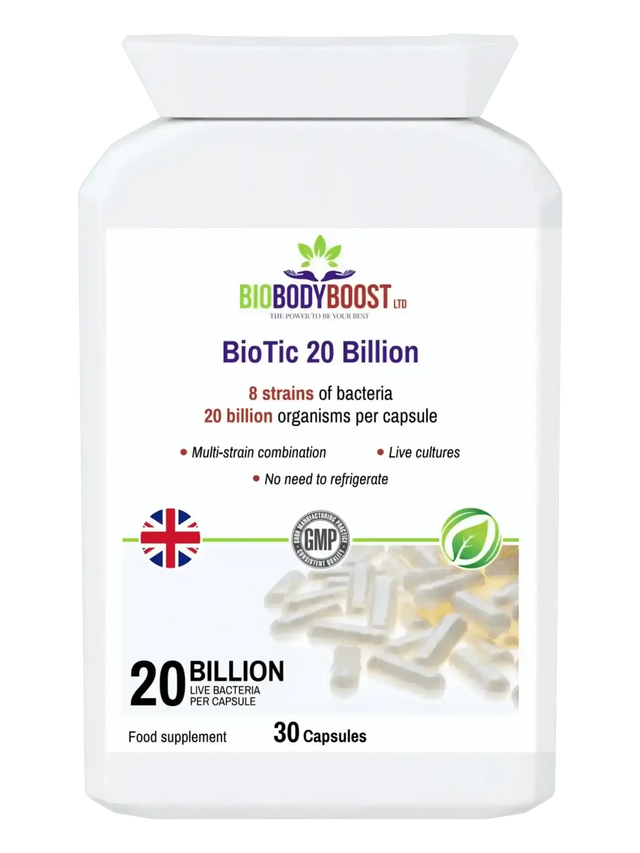
The gut microbiome influences insulin sensitivity via short-chain fatty acid (SCFA) production (particularly butyrate), GLP-1 incretin hormone secretion, and inflammatory signalling — all pathways affecting glucose metabolism. Dysbiosis (disrupted microbiome) is associated with insulin resistance and higher T2D risk. A 2016 meta-analysis in Obesity Reviews (17 RCTs) found probiotic supplementation significantly reduced fasting blood glucose and HbA1c. BioTic 20 Billion — 20 billion CFU, 8 strains, halal certified, vegan.
The complete blood sugar support stack (halal certified)
| Supplement | Mechanism | EFSA claim? |
|---|---|---|
| Magnesium 3 Complex | Insulin receptor tyrosine kinase cofactor | Yes (glucose metabolism) |
| BioBurn (glucomannan) | Slows glucose absorption — blunts post-meal spike | Yes (blood glucose) |
| BodyLean Garcinia (chromium) | Insulin receptor sensitivity + GLUT4 activity | Yes (blood glucose) |
| Lipovita D3+K2 | Beta cell function + muscle glucose uptake | Yes (glucose metabolism) |
| BioTic 20 Billion | Microbiome → SCFA → GLP-1 → insulin sensitivity | No (emerging evidence) |
All products halal certified, vegan, UK GMP manufactured, HPMC capsules. These are food supplements — not medicines. Type 2 diabetes management requires GP oversight.
Are South Asians more likely to get type 2 diabetes?
Yes — UK South Asians are 2–6 times more likely to develop T2D than white Europeans (Barnett et al., 2006, Diabetologia) and develop it 5–10 years earlier. This risk is driven by multiple biological factors: higher visceral adiposity at lower BMI, lower lean muscle mass, higher baseline insulin resistance, and higher rates of vitamin D and magnesium deficiency — all compounding the effect of dietary and lifestyle factors. Diabetes UK provides community-specific resources for South Asian adults at higher risk.
Does magnesium help blood sugar?
In people with magnesium deficiency (approximately 70% of UK adults based on NDNS data), correcting magnesium status has been shown to improve insulin sensitivity and HbA1c. The mechanism is direct: magnesium is a required cofactor for insulin receptor tyrosine kinase — without it, insulin binds to its receptor but the downstream signalling cascade is impaired. This is insulin resistance at the molecular level caused by a mineral deficiency. Rodríguez-Morán 2003 (Diabetes Care, n=63) found 16 weeks of magnesium supplementation significantly improved insulin sensitivity and HbA1c in deficient T2D patients. Magnesium is not a treatment for T2D but is a well-evidenced nutritional support for insulin receptor function.
Is glucomannan halal?
Yes — glucomannan is derived from konjac root (Amorphophallus konjac), a plant. It has no animal involvement and is inherently halal, vegan and kosher. The compliance check is the capsule shell and manufacturing environment. BioBurn provides glucomannan in HPMC plant-derived capsules, halal certified. Glucomannan holds an EU/UK-retained EFSA authorised health claim for contribution to the maintenance of normal blood cholesterol and is well-evidenced for post-meal blood glucose blunting via slowed gastric emptying and viscous gel formation in the stomach.