The thyroid gland produces two hormones — T4 (thyroxine) and T3 (triiodothyronine) — that regulate metabolism, body temperature, energy production, cognitive function, heart rate and much more. Thyroid dysfunction affects approximately 2% of the UK population, with subclinical hypothyroidism (borderline low function) affecting a further 5–10%. Women are 10 times more likely than men to develop hypothyroidism. Several nutrients are directly required for thyroid hormone synthesis, activation and protection — and deficiency in any of them can produce hypothyroid-like symptoms even when the thyroid gland itself is structurally normal.
The Key Nutrients for Thyroid Function
Iodine — the non-negotiable thyroid mineral
Evidence: Essential — thyroid cannot function without it
Iodine is incorporated directly into T4 (4 iodine atoms) and T3 (3 iodine atoms). Without adequate iodine, thyroid hormone synthesis is impossible regardless of how healthy the thyroid gland is. UK iodine status is declining — particularly in vegans, vegetarians and anyone avoiding dairy. See the full iodine deficiency guide for detail.
Critical caution: both deficiency AND excess iodine cause thyroid problems. Above 600mcg daily, iodine can trigger or worsen autoimmune thyroid conditions (Hashimoto’s, Graves’). Standard supplemental dose of 150–200mcg is safe and appropriate. High-dose iodine supplements (above 1,000mcg) can be harmful for people with existing thyroid conditions.
Selenium — T4 to T3 conversion
Evidence: Very strong — deiodinase enzymes are selenium-dependent
The enzymes that convert inactive T4 to active T3 (deiodinases) are selenoproteins — they require selenium to function. Selenium deficiency directly impairs T4-to-T3 conversion, producing hypothyroid symptoms even when TSH and T4 are normal. This is one of the most commonly missed explanations for thyroid symptoms in people with “normal” blood tests. UK selenium intake is significantly below optimal in many adults (50% of women below LRNI). See the full selenium guide. Dose: 100–200mcg selenomethionine daily.
For Hashimoto’s specifically: multiple RCTs confirm selenium supplementation (200mcg daily for 9–12 months) significantly reduces thyroid peroxidase antibodies (TPO-Ab) — the antibodies that attack the thyroid in Hashimoto’s. This is one of the strongest supplement findings in thyroid medicine.
Zinc — T3 receptor activation
Evidence: Good — zinc deficiency directly impairs thyroid hormone action
Zinc is required not just for thyroid hormone synthesis but for thyroid hormone receptor binding at the cellular level. Low zinc means thyroid hormones are produced but cannot signal effectively. Several studies show zinc deficiency produces hypothyroid-like symptoms and that zinc supplementation corrects them. A synergistic relationship exists: zinc and selenium deficiency together impair thyroid function more severely than either alone.
Vitamin D — thyroid autoimmunity
Evidence: Strong — deficiency associated with Hashimoto’s and Graves’
Both Hashimoto’s thyroiditis and Graves’ disease show strong associations with vitamin D deficiency in observational studies. Vitamin D modulates regulatory T cells involved in autoimmune tolerance — its deficiency may lower the threshold for autoimmune attacks on the thyroid. Multiple trials show vitamin D supplementation reduces TPO-Ab levels in Hashimoto’s patients who are deficient.
Magnesium — cellular thyroid hormone uptake
Evidence: Moderate — deficiency impairs T4-to-T3 conversion and receptor signalling
Magnesium is a cofactor in the enzymatic steps of thyroid hormone metabolism. Low magnesium is associated with reduced T3 production and reduced cellular response to thyroid hormones. Given the very high rates of magnesium deficiency in UK adults (up to 45%), this is a worthwhile baseline to address for anyone with thyroid symptoms.
What to AVOID for Thyroid Health
- High-dose iodine supplements — above 500–600mcg daily can trigger autoimmune thyroid reactions. Many “thyroid support” supplements contain kelp at doses providing 1,000–2,000mcg iodine — this can cause or worsen Hashimoto’s and Graves’.
- Unregulated high-iodine seaweed — raw seaweed has highly variable iodine content (50–8,000mcg/g). Standardised supplements provide controlled doses; raw dietary seaweed does not.
- Biotin before thyroid blood tests — high-dose biotin interferes with TSH, free T4 and free T3 tests, producing falsely abnormal results. Stop biotin for at least 48 hours before any thyroid blood test.
- Calcium supplements with levothyroxine — calcium reduces levothyroxine absorption significantly; separate by at least 4 hours.
When Supplements Are Not the Answer
Symptoms of hypothyroidism (fatigue, cold intolerance, weight gain, brain fog, hair thinning) can result from:
- Clinical hypothyroidism requiring levothyroxine — supplementation cannot replace hormone replacement therapy
- Nutrient deficiency producing hypothyroid symptoms without actual thyroid disease — supplementation is appropriate
- Subclinical hypothyroidism (borderline TSH) — GP decision on treatment; nutrients support
Always get a full thyroid panel (TSH, free T4, free T3, TPO antibodies) before concluding thyroid dysfunction. Correcting iodine, selenium, zinc and vitamin D deficiencies before attributing symptoms to primary thyroid disease is clinically appropriate — and frequently resolves symptoms completely.
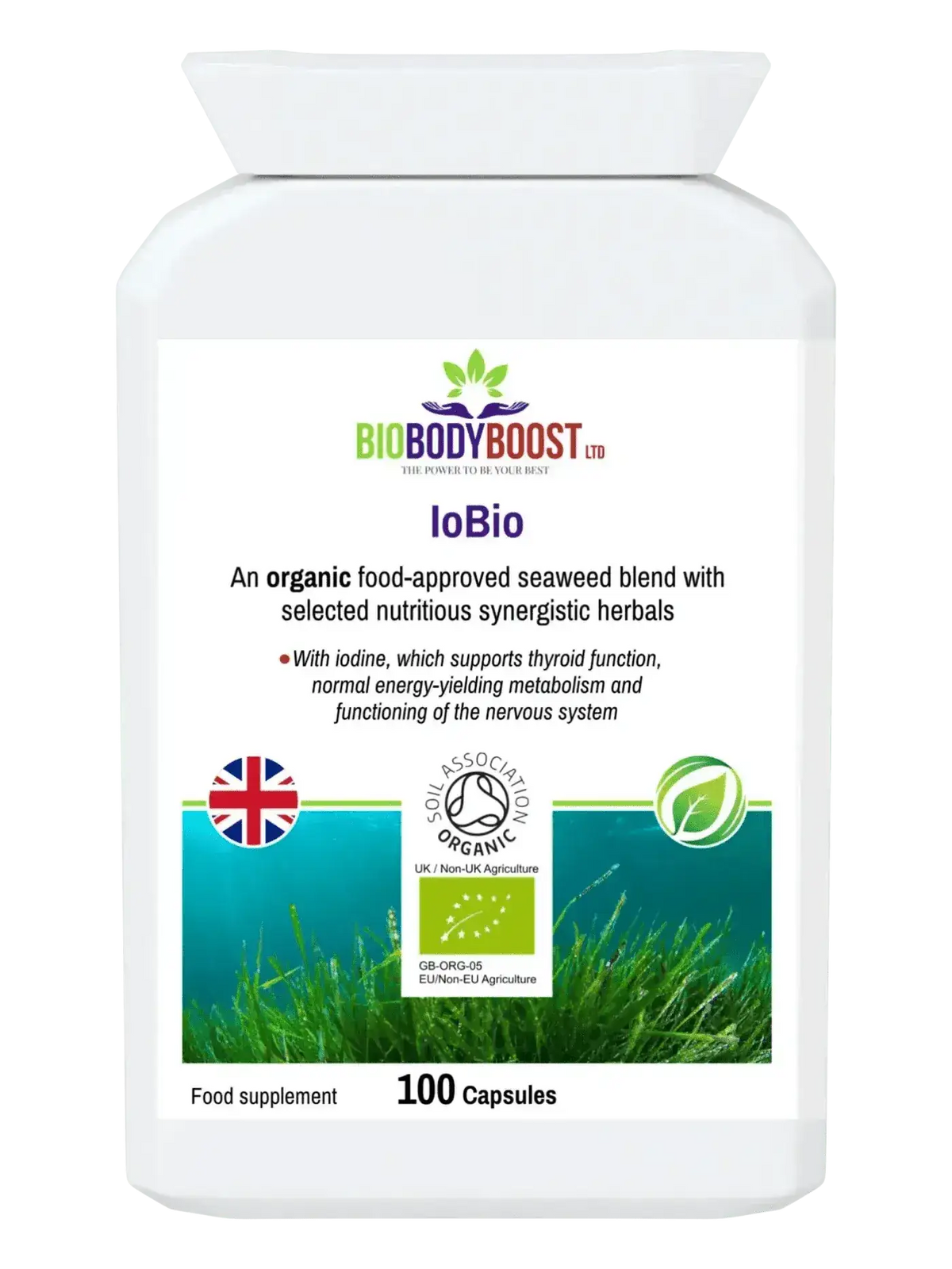
Magnesium 3 Complex (zinc + magnesium) · Lipovita D3+K2 (vitamin D) · Daily Multi Complex (selenium at NRV) · IoBio (iodine from standardised organic seaweed — controlled dose). All halal certified, vegan, UK GMP. Always discuss thyroid supplementation with your GP, especially if taking levothyroxine. Browse the full range.