Selenium deficiency affects approximately 50% of UK women and 26% of UK men based on National Diet and Nutrition Survey data — making it one of the most common yet least-discussed nutritional gaps in the country. The primary reason is geography: European soils, including UK soils, are naturally selenium-poor compared to North American soils. Food grown in UK soil therefore contains less selenium than equivalent foods grown elsewhere. Here is what selenium does and why this matters.
What Does Selenium Do in the Body?
Selenium’s biological functions are primarily mediated through selenoproteins — proteins that contain selenium as selenocysteine, the 21st amino acid. The body contains approximately 25 different selenoproteins with distinct functions:
- Thyroid hormone activation — the deiodinase enzymes (DIO1, DIO2, DIO3) that convert T4 (inactive) to T3 (active thyroid hormone) and regulate thyroid hormone metabolism are selenoproteins. Selenium deficiency directly impairs thyroid hormone conversion, producing hypothyroid symptoms even when the thyroid gland itself is functioning normally.
- Antioxidant defence (glutathione peroxidase) — selenoproteins including glutathione peroxidase (GPX) protect cells from oxidative damage, particularly in tissues under high metabolic stress (thyroid, sperm, liver). The thyroid gland contains the highest selenium concentration of any tissue.
- Immune function — selenium supports both innate and adaptive immunity. Deficiency impairs NK cell activity, T cell proliferation and cytokine production.
- Thyroid autoimmunity — multiple RCTs have shown selenium supplementation significantly reduces thyroid peroxidase antibody (TPO-Ab) levels in Hashimoto’s thyroiditis — suggesting it modulates the autoimmune attack on the thyroid. This is one of the most clinically compelling uses of selenium supplementation.
- Fertility and sperm quality — selenoprotein P is the primary selenium transport protein in male reproductive tissue. Selenium deficiency reduces sperm motility and morphology.
Why Is the UK Selenium Status So Low?
Selenium content in food is directly determined by soil selenium content. European soils were covered by glaciers during the last ice age; glacial movement leached selenium from the soil, leaving selenium concentrations significantly lower than in non-glaciated regions. North American soils — particularly in the Great Plains — have higher selenium content, and wheat grown there contains substantially more selenium than UK-grown wheat.
Historically, the UK imported significant quantities of high-selenium North American wheat for flour production, which passively supported selenium intake. As sourcing shifted over decades, this “passive fortification” declined.
What Are the Symptoms of Selenium Deficiency?
- Fatigue and muscle weakness
- Hypothyroid symptoms (cold intolerance, weight gain, mental fog) — even with normal TSH if deiodinase conversion is impaired
- Impaired immune response — frequent infections, slow recovery
- Hair thinning — selenium deficiency is one of the causes of diffuse hair loss
- Reproductive issues — particularly relevant for male fertility
- In severe deficiency: Keshan disease (cardiomyopathy) and Kashin-Beck disease (joint condition) — both rare in the UK but documented in severely selenium-deficient regions
Selenium and Thyroid Health: A Critical Connection
This is the most clinically significant relationship. Three mechanisms connect selenium and thyroid health:
- T4 to T3 conversion — the deiodinase enzymes are selenium-dependent. UK adults with borderline selenium status may have impaired T3 production despite normal TSH and T4 levels — a pattern that standard thyroid testing misses.
- Thyroid peroxidase antibodies — a 2002 RCT in the Journal of Clinical Endocrinology and Metabolism found 200mcg selenium supplementation for 9 months significantly reduced TPO-Ab levels in Hashimoto’s patients. Multiple subsequent trials have confirmed this effect.
- Thyroid protection from oxidative damage — the thyroid produces hydrogen peroxide as part of thyroid hormone synthesis. Selenium-dependent GPX enzymes protect thyroid cells from this self-generated oxidative damage.
How Much Selenium Do You Need and What Form Is Best?
UK NRV for selenium: 55mcg per day. Upper safe level: 400mcg per day. The therapeutic dose used in thyroid antibody trials: 200mcg per day.
Two supplemental forms are common:
- Selenomethionine (organic, amino acid-bound) — superior bioavailability and tissue retention. The form preferred for supplementation and the one most studied for thyroid effects.
- Sodium selenite (inorganic) — adequate but lower bioavailability; more common in cheaper multivitamins.
Brazil nuts are often cited as a selenium source — one Brazil nut contains approximately 70–90mcg of selenium, more than the daily NRV. However, selenium content in Brazil nuts varies enormously (15–600mcg per nut depending on origin), making consistent dosing unreliable. Supplements provide predictable, standardised doses.
Important Safety Note
Selenium has one of the narrowest margins between adequate intake and toxicity of any essential mineral. The upper safe level is 400mcg per day. Chronic intake above this produces selenosis — symptoms include brittle hair, brittle nails, garlic breath odour and neurological symptoms. Stick to 55–200mcg daily from supplemental sources. If you eat Brazil nuts regularly, account for this in your total intake.
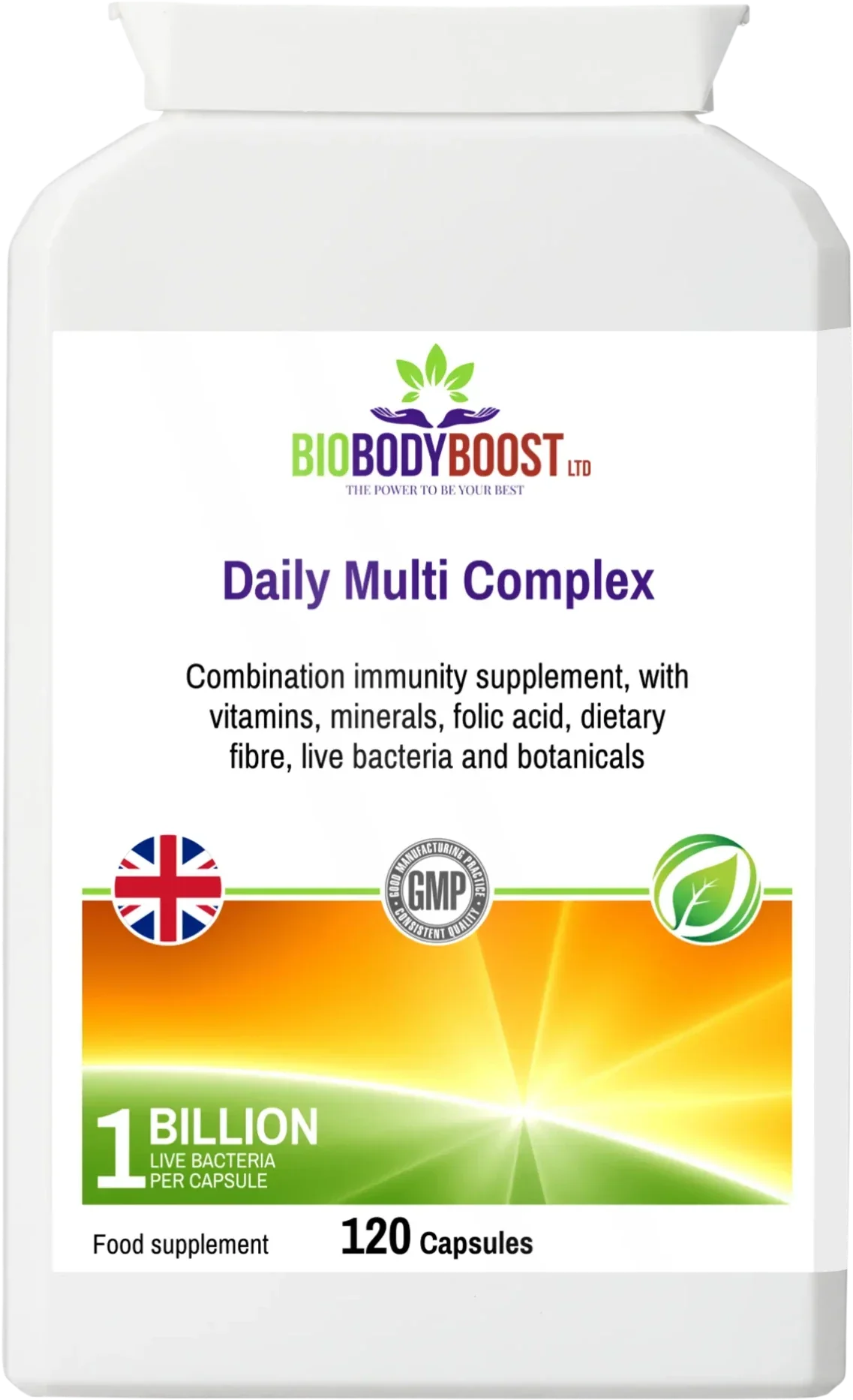
CardioVital Natto Blend by BioBodyBoost includes selenium alongside nattokinase, vitamin D and selenium — the combination that supports cardiovascular and thyroid health. Daily Multi Complex provides selenium as part of comprehensive daily vitamin and mineral coverage. Both halal certified, UK GMP manufactured. Browse the full range.