A good vegan omega supplement review should do more than confirm that a softgel is plant-based. It should tell you where the omega-3 comes from, how much EPA and DHA you receive, whether the formula is clean and tested, and whether it genuinely fits your routine. Those details are what turn a well-meaning purchase into dependable daily support.
For many people, omega-3 is the missing piece in an otherwise thoughtful wellness routine. You may eat plenty of colourful plants, train regularly and prioritise protein, yet still struggle to find a direct plant-based source of the long-chain omega-3 fats your body uses. Algae oil offers that option without fish-derived ingredients, fishy aftertaste or a compromise on vegan values.
Vegan Omega Supplement Review: What You Should Check
The first point is simple: not all omega oils are interchangeable. Flaxseed, chia and hemp are nutritious plant foods that provide ALA, a short-chain omega-3 fatty acid. However, the body’s conversion of ALA into EPA and DHA is limited and can vary from person to person.
EPA and DHA are the forms most people are looking for when they choose an omega-3 supplement. DHA contributes to the maintenance of normal brain function and normal vision when taken at 250mg per day. EPA and DHA also contribute to normal heart function at a combined daily intake of 250mg. That makes the actual EPA and DHA figure on the label far more useful than a large, vague headline such as “1,000mg omega oil”.
A high-quality vegan formula usually gets EPA and DHA directly from marine algae. This is the original source in the marine food chain: fish accumulate these fats by eating algae, while an algae-based supplement goes straight to the source. It is a natural alternative for people who avoid fish, follow a vegan diet, or simply prefer a cleaner route to their daily omega intake.
Look beyond the total oil amount
When comparing products, turn the pack around and find the nutritional panel. A supplement may contain 500mg or 1,000mg of algae oil, but the meaningful question is how much of that oil is EPA and DHA.
A formula with a clearly stated amount of DHA, or both EPA and DHA, makes it easier to choose with purpose. DHA-led products may appeal to people focused on everyday cognitive and visual support. A balanced EPA and DHA profile can suit those looking for broader heart, brain and performance support. Neither approach is automatically better. The right choice depends on your dietary intake, life stage and personal health goals.
Be cautious of labels that only state “omega-3” without breaking down the fatty-acid profile. Transparency is a quality marker. If you cannot see what you are getting in each serving, it is difficult to judge value or build a consistent routine around it.
Why Algae Oil Makes Sense for Plant-Based Routines
Algae-derived omega-3 is particularly useful because it supplies DHA directly and, in many formulas, EPA too. That matters for vegans and vegetarians who do not eat oily fish, but it also helps anyone who finds fish oil unpleasant or difficult to take consistently.
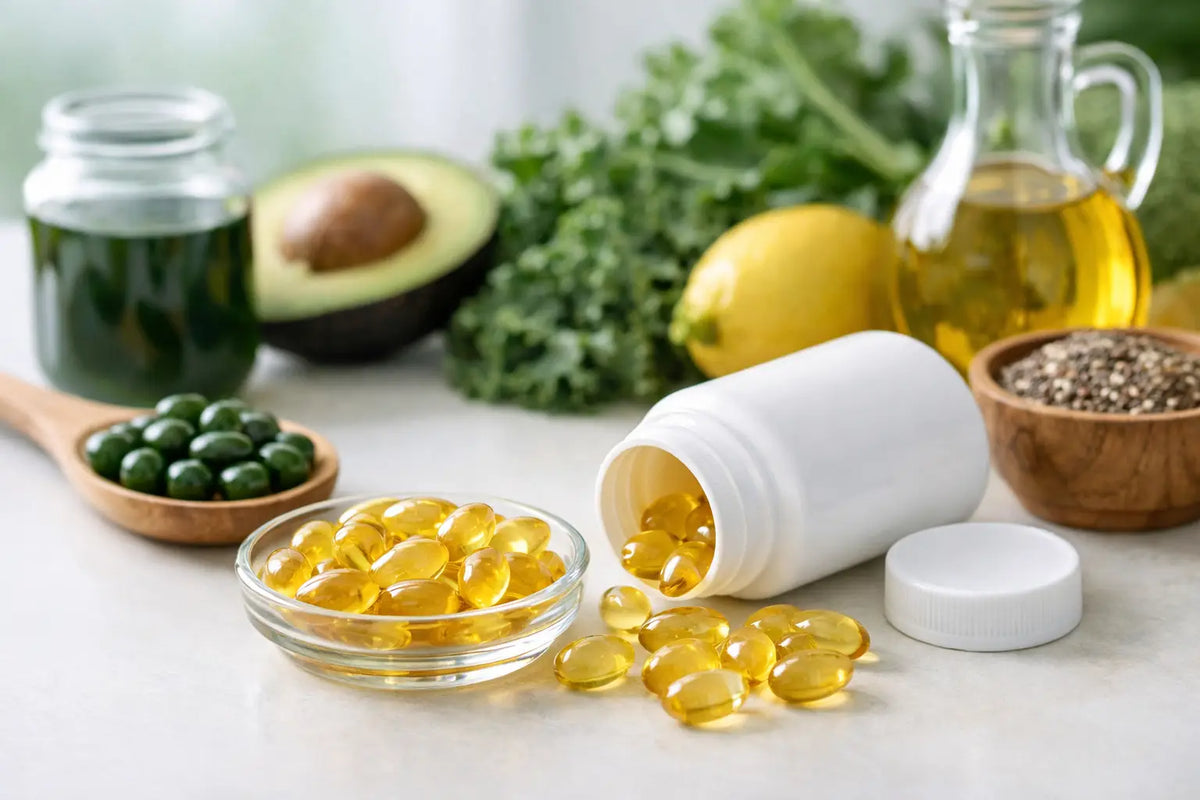
Consistency is often the overlooked factor in supplement results. An oil that leaves a lingering taste, upsets your stomach or clashes with your values is likely to end up at the back of the cupboard. A well-made vegan softgel should be easy to take with a meal and comfortable enough to keep in your daily routine.
For busy professionals, this can be as straightforward as taking it with breakfast. For active people, it can sit alongside protein, hydration and recovery habits. For health-conscious parents, it may form part of a wider family nutrition conversation, although children, pregnancy, breastfeeding, medication use and specific health conditions deserve individual guidance from a healthcare professional.
Purity, freshness and testing are not extras
Omega oils are delicate. Exposure to oxygen, heat and light can affect freshness, which is why quality sourcing, responsible production and suitable packaging matter. A brand should be able to communicate its ingredient source and the standards it uses to protect product quality.
Third-party testing is a valuable trust signal. It shows that a product is being checked beyond the brand’s own internal process, supporting confidence in identity, purity and label accuracy. For a daily supplement, that reassurance matters. You are not buying a one-off wellness trend. You are choosing something that may become part of your long-term health habits.
The ingredient list also deserves attention. A clean-label formula does not have to be complicated. Ideally, you want clearly identified algae oil, a vegan capsule shell and only necessary supporting ingredients. If you have allergies or follow gluten-free, halal or kosher dietary requirements, check the full label rather than relying on assumptions.
The Practical Test: Will You Actually Take It?
The best vegan omega supplement is not necessarily the one with the biggest number on the front. It is the one that provides a meaningful, clearly labelled dose in a format you will take regularly.
Think about your own friction points. If you forget supplements, choose a once-daily serving that can live beside your kettle or breakfast staples. If you have a sensitive stomach, take omega oil with food rather than on an empty stomach. If you already use a multivitamin or a targeted blend, check whether it contains omega-3 so you do not duplicate ingredients without realising.
Capsules are usually the easiest option for accurate dosing and portability. Liquid oils can work well for people who dislike swallowing softgels, but they require more attention to flavour, storage and measuring. There is no universal winner. A capsule is often the most practical choice for commuting, travelling or keeping a simple daily routine on track.
A quick value check
Price per bottle can be misleading. Compare the daily cost against the actual amount of EPA and DHA supplied, the quality assurances offered and the number of servings. A cheaper product with very little DHA or EPA may not represent better value, while a higher-priced formula can be justified if it provides transparent dosing, vegan certification and reliable testing.
Do not assume that more is always better, either. Supplement needs are personal. Your diet, use of fortified foods, health goals and advice from a qualified professional all influence what makes sense for you. If you use blood-thinning medication, have a bleeding disorder, are preparing for surgery, or are pregnant or breastfeeding, speak to a pharmacist, GP or midwife before starting an omega supplement.
What a Strong Formula Should Deliver
A vegan omega supplement should make plant-based nutrition easier, not more complicated. The strongest formulas are clear about their algae source, disclose EPA and DHA per serving, use a genuinely vegan capsule and avoid unnecessary fillers. They should also be produced with quality controls that give you confidence from the first softgel to the last.
There is a bigger benefit here than simply ticking off another nutrient. Choosing direct algae-based EPA and DHA can remove uncertainty from a vegan routine. Instead of relying entirely on limited ALA conversion, you can add a targeted source that supports your wider approach to balanced meals, movement, sleep and everyday resilience.
At BioBodyBoost, we believe daily wellness works best when the formula is clean, the purpose is clear and the habit is easy to maintain. Choose an omega supplement you understand, take it consistently with food, and let that small plant-powered step support the healthy routine you are already building.