Training during Ramadan is one of the most specific supplement questions UK Muslim athletes ask — and there is almost no good UK resource answering it comprehensively. The physiological challenges are real: a 12–18 hour fasting window (depending on season), compressed Suhoor and Iftar nutrition windows, disrupted sleep from Tarawih prayers, and potential muscle catabolism from extended fasting. The right supplement protocol can significantly mitigate these challenges.
The Physiology of Training During Ramadan
Several things change during Ramadan that directly affect training and recovery:
- Extended fasting — glycogen depletion is more complete; the body increasingly relies on amino acid catabolism for energy during long fasts
- Compressed protein window — all dietary protein must be consumed in Suhoor and Iftar, rather than distributed across the day. Muscle protein synthesis is stimulated by protein dose distribution throughout the day; a compressed window is suboptimal for muscle maintenance
- Dehydration — particularly in UK summer Ramadan (18+ hour fasting) and for athletes who train
- Disrupted sleep — Tarawih prayers extend into the night, compressing sleep. Sleep is when growth hormone is released and muscle repair occurs
- Reduced training intensity — most athletes experience some performance decline during Ramadan; the goal is maintenance, not peak performance
When to Train During Ramadan
Timing matters enormously. Three options, ranked by evidence:
- After Iftar (breaking fast) — optimal. Glycogen stores can be partially replenished before training; protein from Iftar available for post-workout recovery. Most evidence supports this as the best performance window during Ramadan.
- Before Suhoor — trains in a fasted state but can immediately refuel at Suhoor post-workout. Useful for people who prefer morning training.
- Before Iftar — the most challenging. Fully fasted, dehydrated, glycogen-depleted. If unavoidable, keep sessions short (under 30 minutes), low intensity and focus on skill-based rather than strength work.
The Evidence-Based Supplement Protocol for Ramadan Athletes
Suhoor (pre-fast window)
- Casein protein or slow-release protein — if training in the fasting window, slow-digesting protein at Suhoor extends amino acid availability further into the fast. Cottage cheese or a casein supplement provides amino acids for 5–7 hours.
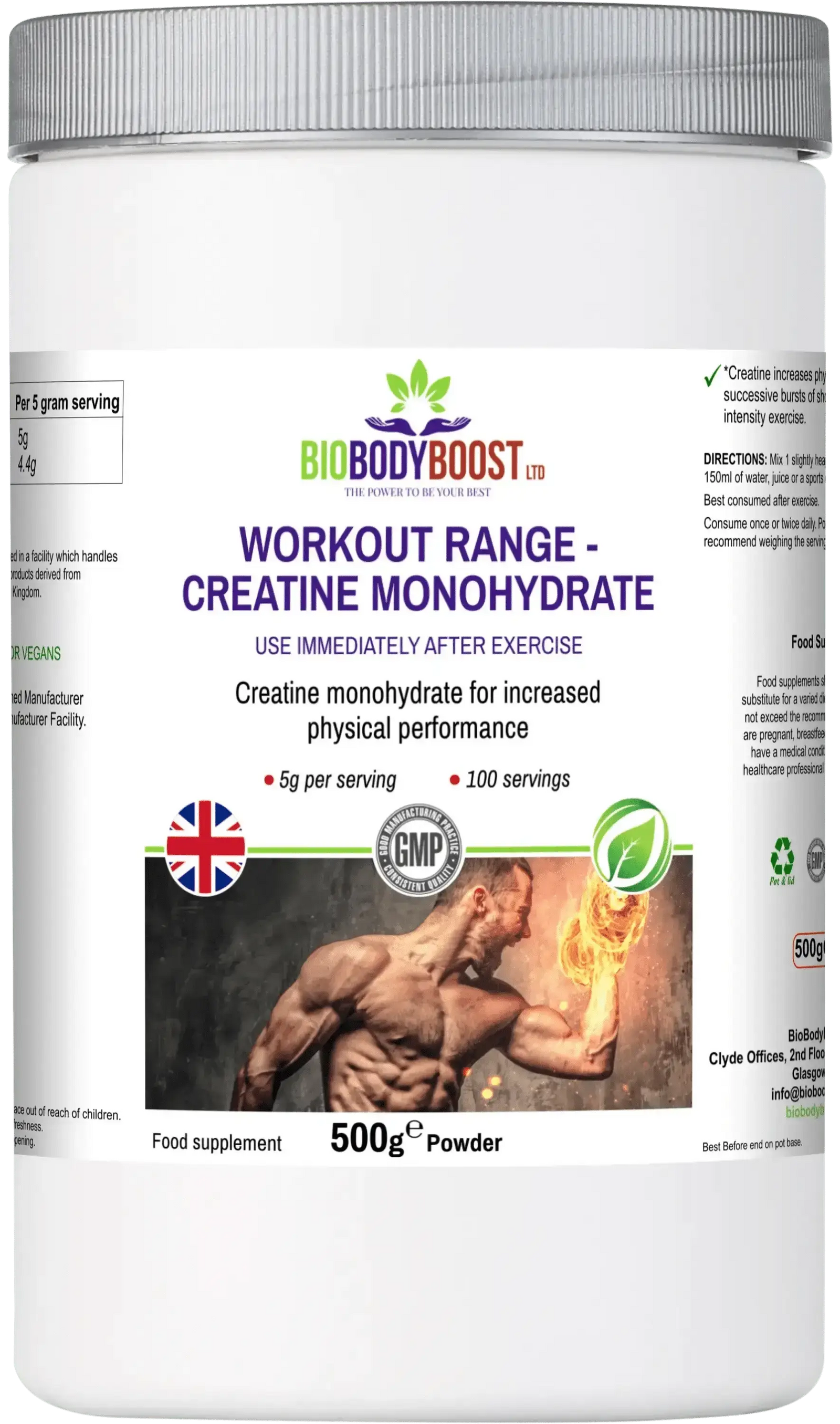
- Creatine (5g) — take at Suhoor consistently throughout Ramadan. Creatine timing is irrelevant to effectiveness; consistent daily use maintains muscle phosphocreatine saturation. During Ramadan, Suhoor is the most practical time.
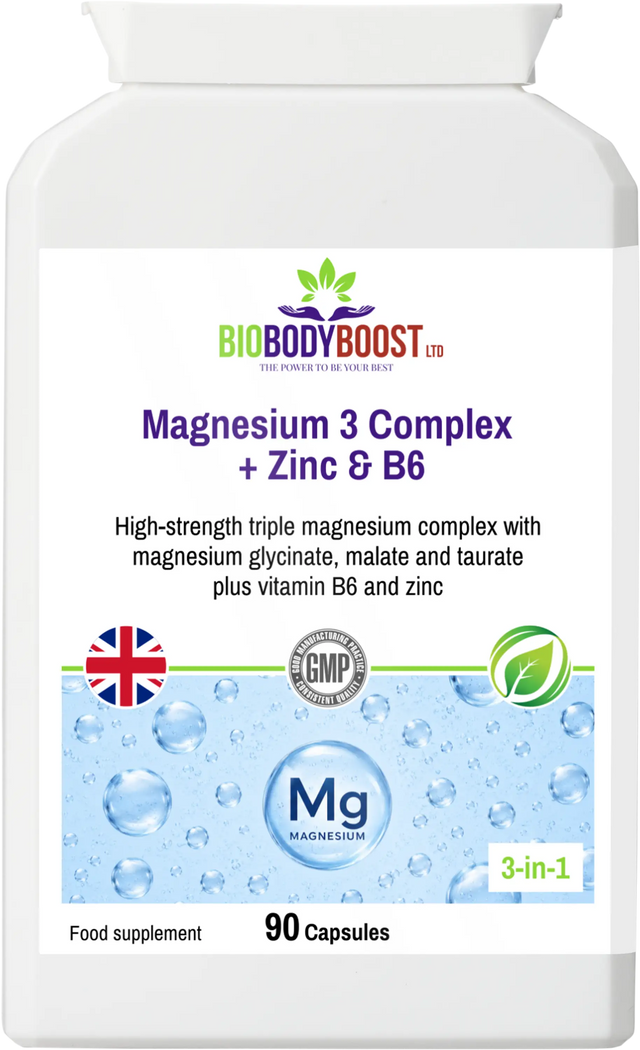
- Magnesium glycinate — taken at Suhoor supports muscle function and electrolyte balance during the coming fasting hours. Reduces cramping risk during evening training.
- Vitamin D — take at Suhoor with food (fat-soluble). Ensures daily consistency regardless of meal timing changes.
Immediately at Iftar
- Electrolytes first — before food. Rehydration with electrolytes (sodium, potassium, chloride) is the most urgent priority after a long fasting day. Plain water can cause hyponatraemia if consumed in large quantities without sodium.
- Fast-digesting protein (if training after Iftar) — whey protein or EAAs immediately at Iftar provides a rapid amino acid spike for muscle recovery if training follows within 1–2 hours.
Post-Iftar training window
- BCAAs or EAAs intra-workout — 6–10g during training supports muscle preservation, particularly relevant if the Iftar meal was not large
- Electrolytes during training — sweating during Ramadan evening training after a long fasting day requires electrolyte replacement, not just water
Before sleep (after Tarawih)
- Slow-release protein — if possible, a protein source before sleep supports overnight muscle protein synthesis during the sleep window (when most muscle repair occurs)
- Magnesium glycinate — for sleep quality, which is disrupted by late Tarawih prayers. Taking magnesium before sleep (after Tarawih) helps sleep depth during the compressed sleep window
Managing Muscle Loss During Ramadan
Research on Ramadan and body composition consistently shows that well-managed Ramadan fasting with adequate protein intake at Suhoor and Iftar results in minimal muscle loss in trained athletes. Key factors:
- Minimum 1.6g protein per kg body weight distributed across Suhoor and Iftar
- Resistance training maintained (intensity may drop but frequency should be preserved)
- Creatine maintained throughout Ramadan
- Sleep protected where possible (ear plugs for those sensitive to noise during Tarawih)
All BioBodyBoost sports products are fully halal certified and appropriate for Ramadan use: Creatine · BCAAs · Electro-Hidr8 · Magnesium 3 Complex. Read the full Ramadan supplement timing guide. Browse the sports range.