Premenstrual syndrome (PMS) encompasses physical and psychological symptoms occurring in the luteal phase (days 14–28) of the menstrual cycle, resolving within days of menstruation starting. It is distinct from premenstrual dysphoric disorder (PMDD), a more severe condition requiring medical treatment. For the 30–40% of UK women with moderate-to-severe PMS, supplements targeting the hormonal, neurotransmitter and prostaglandin mechanisms offer meaningful relief.
What Causes PMS?
PMS is driven by the hormonal fluctuations of the luteal phase rather than abnormal hormone levels per se — most women with PMS have normal oestrogen and progesterone. The leading mechanisms are:
- Serotonin sensitivity — progesterone metabolites modulate GABA-A receptors; rising and falling progesterone in the luteal phase alters serotonin availability and sensitivity. This explains the mood, anxiety and irritability symptoms.
- Prostaglandin production — high prostaglandin E2 levels in the endometrium cause uterine cramping. Omega-3 fatty acids reduce prostaglandin production and thereby cramping.
- Magnesium depletion — magnesium levels fluctuate across the cycle; deficiency in the luteal phase amplifies cramps, headaches and mood symptoms.
- Aldosterone activity — fluctuating progesterone affects aldosterone signalling, causing sodium and water retention responsible for bloating.
Supplements With the Strongest Evidence
Magnesium glycinate — the most evidence-backed PMS supplement
Evidence: Very strong — multiple RCTs
Magnesium addresses three PMS mechanisms simultaneously: it reduces prostaglandin E2 production (less cramping), modulates aldosterone-related water retention (less bloating) and supports GABA receptor function (improved mood and reduced anxiety). A 1991 double-blind RCT found magnesium significantly reduced premenstrual mood changes. A 1998 trial found magnesium supplementation reduced fluid retention and breast tenderness. Multiple trials confirm improvements across physical and psychological PMS symptoms. Dose: 300–400mg elemental magnesium as glycinate (best absorbed, least GI side effects) daily throughout the month — not just during PMS, as magnesium depletion accumulates across the cycle.
Vitamin B6 — for mood and emotional symptoms
Evidence: Good — meta-analysis confirmed
Vitamin B6 (pyridoxine) is required for the synthesis of serotonin and dopamine from tryptophan and DOPA respectively. PMS-related mood symptoms (depression, irritability, anxiety) are partly mediated by impaired serotonin signalling during the luteal phase. A 1999 meta-analysis of 9 RCTs found B6 at doses up to 100mg daily significantly improved overall PMS symptoms and specifically premenstrual depression. Dose: 50–100mg B6 daily in the luteal phase (days 14–28), or 10–25mg daily throughout the cycle. Important: do not exceed 100mg daily long-term — neuropathy risk above this dose. See the full B6 safety guide.
Omega-3 EPA/DHA — for cramping (dysmenorrhoea)
Evidence: Strong specifically for period pain
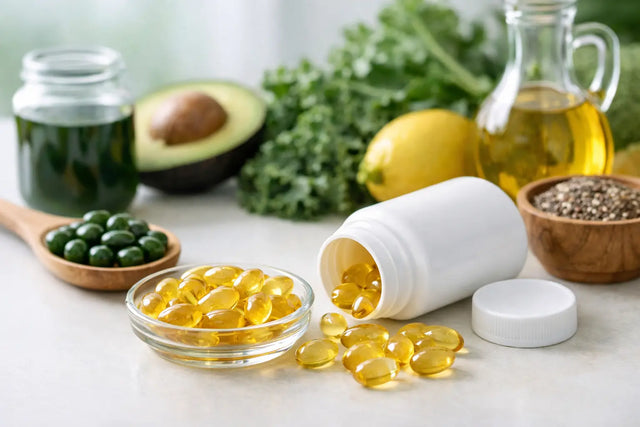
Omega-3 fatty acids (EPA and DHA) directly reduce prostaglandin E2 and thromboxane A2 — the primary mediators of uterine cramping. A 2012 RCT found omega-3 supplementation (6g/day for 45 days) significantly reduced menstrual pain and use of ibuprofen as rescue medication versus placebo. Multiple subsequent trials confirm anti-cramp effects. Dose: 2–3g EPA+DHA daily for dysmenorrhoea. In halal-certified format — most omega-3 softgels use porcine gelatine; choose specifically certified halal options.
Vitex agnus-castus (chasteberry) — for hormonal PMS
Evidence: Good — multiple European RCTs
Vitex agnus-castus acts on dopamine D2 receptors in the pituitary, reducing prolactin secretion. Elevated prolactin in the luteal phase contributes to breast tenderness and mood changes. A 2001 BMJ RCT found vitex significantly improved five PMS symptoms versus placebo including irritability, mood alteration, anger, headache and breast fullness. Multiple European trials confirm effectiveness. Dose: 20–40mg standardised extract daily, taken in the morning, consistently for at least 3 cycles for full effect.
Calcium — for multiple PMS symptom clusters
Evidence: Good — large RCT confirmed
A 1998 RCT (n=497) found calcium supplementation (1,200mg daily) reduced total PMS symptom scores by 48% versus 30% for placebo — across mood, bloating, craving and pain clusters. The mechanism involves calcium’s role in neurotransmitter release and muscle function. Most UK women do not get adequate calcium from diet.
What Does NOT Have Good Evidence for PMS
- Evening primrose oil — widely sold for PMS; limited clinical evidence beyond breast pain
- High-dose vitamin E alone — weak evidence in isolation
- St John’s Wort — interacts with the contraceptive pill (see full interaction guide) and evidence for PMS specifically is limited
Halal Compliance for PMS Supplements
The main concerns: omega-3 softgels (porcine gelatine is default — always check or choose halal-certified), vitex capsules (check capsule shell), and calcium supplements sourced from animal bone meal. All BioBodyBoost supplements use HPMC plant-derived capsules and carry full halal certification.
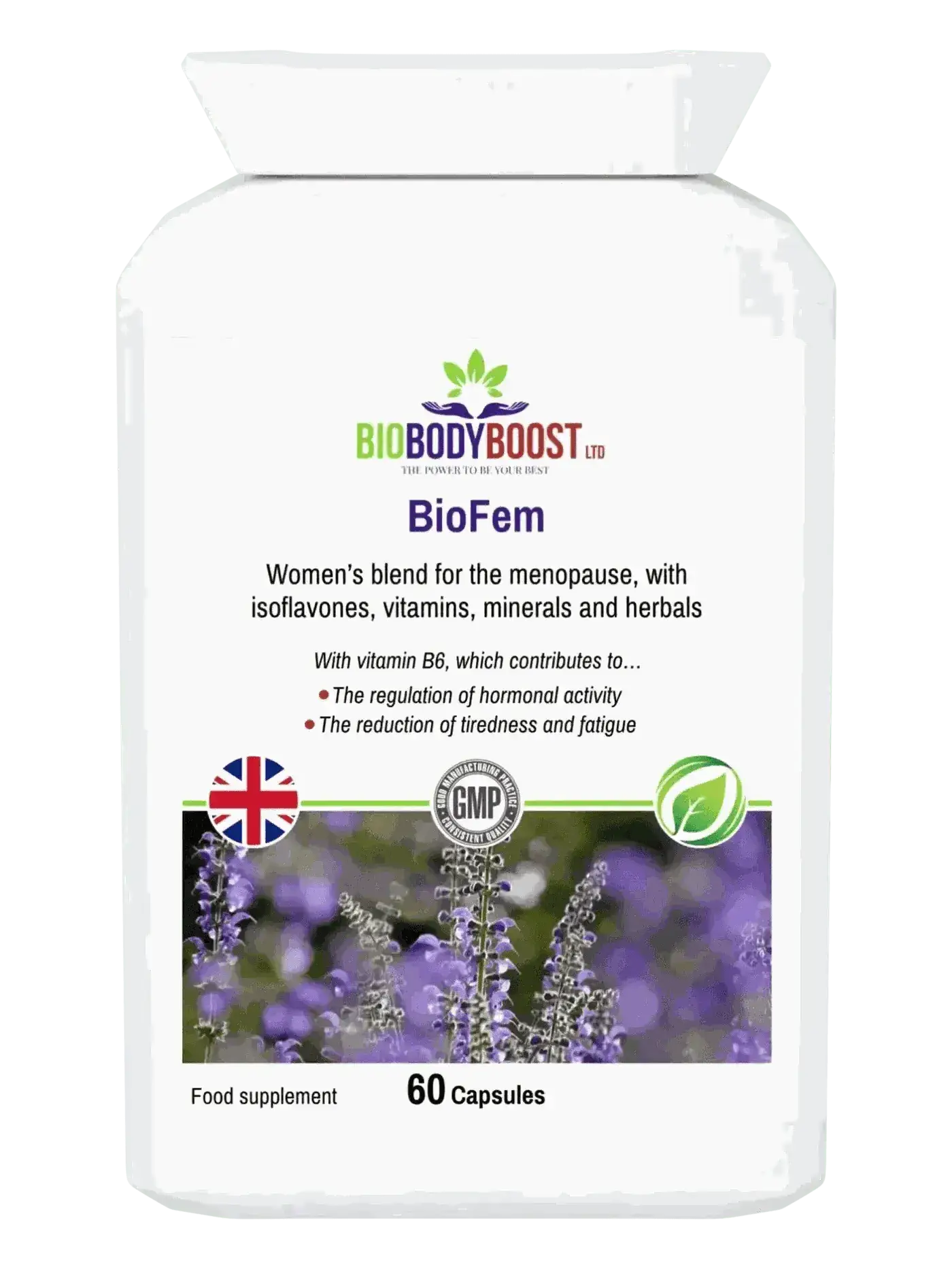
Magnesium 3 Complex — addresses the two strongest evidence-based PMS nutrients (magnesium and B6) together. OmegaBalance — EPA/DHA for prostaglandin and cramping reduction. BioFem — comprehensive women’s herbal formula. All halal certified, UK GMP. Browse the women’s range.