Quick answer: berberine is halal. Berberine is a plant alkaloid extracted from several plants including barberry (Berberis vulgaris), goldenseal and Chinese goldthread. It has no animal involvement and no intoxicant properties. The compliance checks are the capsule shell (HPMC = halal; gelatine = check) and manufacturing environment. BioBodyBoost does not currently stock berberine — but this guide explains the halal status, the evidence and which BBB products address overlapping mechanisms.
Why berberine is trending in 2026
Berberine has been called “natural metformin” following the Yin et al. 2008 Metabolism RCT (n=97) that found berberine at 500mg three times daily produced equivalent HbA1c and fasting glucose reductions to metformin in newly diagnosed type 2 diabetes patients. Combined with the GLP-1 medication boom (Ozempic, Wegovy, Mounjaro), interest in natural blood glucose management has surged. Yin et al. (2008, Metabolism) is the foundational study — though it requires important context: this was in T2D patients, not for prevention, and combining berberine with diabetes medication requires GP oversight.
Is berberine halal?
Berberine is a plant alkaloid — it is extracted from the roots, stems and bark of Berberis vulgaris and related plants by solvent extraction. No animal involvement. The isoquinoline alkaloid structure has no intoxicant properties. No Islamic scholarly body has ruled berberine haram. The halal compliance check is: (1) extraction solvent — must not use alcohol-based extraction that leaves residual alcohol in the finished product; reputable berberine manufacturers use water or ethanol extraction with complete solvent removal; (2) capsule shell — HPMC for halal; (3) manufacturing environment certification. Look for a named third-party halal certification body on any berberine supplement you purchase.
Important warnings before taking berberine
Berberine is not a casual wellness supplement. It inhibits CYP3A4 and P-glycoprotein — enzymes that metabolise many medications. It interacts significantly with: metformin and other diabetes medications (risk of hypoglycaemia), warfarin and anticoagulants (potentiates blood thinning), cyclosporine (immunosuppressants), some antibiotics and antifungals, and macrolide antibiotics. Always discuss with your GP before starting berberine if you take any medication. Do not self-prescribe berberine for blood sugar if you have diabetes — your GP needs to be involved.
BBB products addressing overlapping mechanisms
BioBodyBoost does not stock berberine. The overlapping blood glucose support mechanisms in the BBB range:
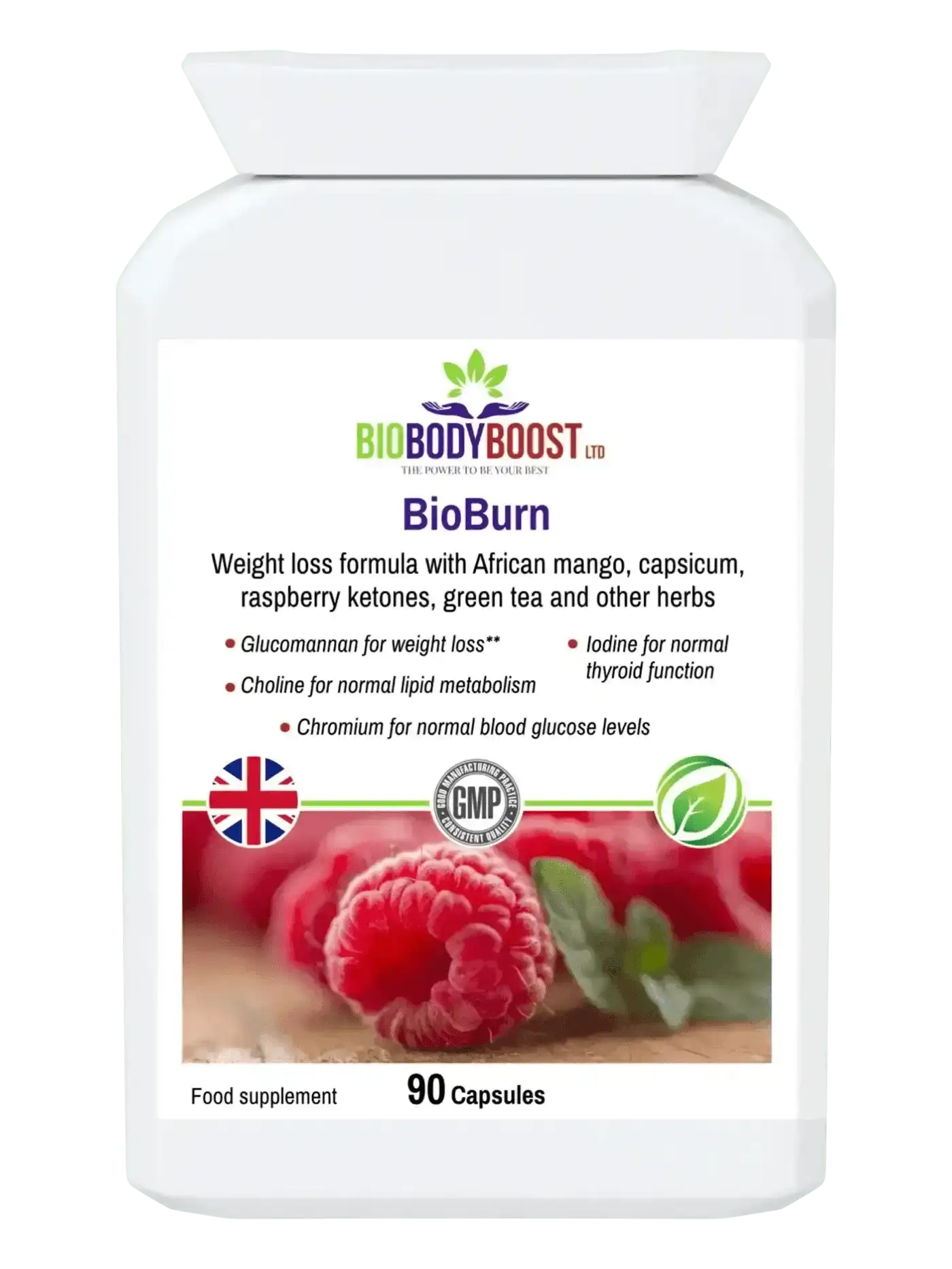
- BioBurn (glucomannan) — EFSA-authorised blood glucose maintenance claim via slowed glucose absorption
- BodyLean Garcinia (chromium 250% NRV) — EFSA-authorised blood glucose maintenance claim via insulin receptor sensitisation
- Magnesium 3 Complex — insulin receptor tyrosine kinase cofactor
See the full type 2 diabetes prevention supplement guide for the complete EFSA-authorised halal blood glucose stack.
Is berberine halal in Islam?
Yes — berberine is a plant alkaloid with no animal involvement and no intoxicant properties. It is extracted from Berberis vulgaris and related plants. No major Islamic scholarly body has ruled it haram. The compliance checks are the extraction solvent (must not leave residual alcohol), capsule shell (HPMC not porcine gelatine) and manufacturing environment. When purchasing berberine, look for named third-party halal certification — not just a self-declared “halal” claim. BioBodyBoost does not currently stock berberine but the BBB range includes EFSA-authorised halal-certified alternatives targeting overlapping blood glucose mechanisms.
Is berberine as good as metformin?
The Yin 2008 Metabolism RCT found equivalent HbA1c reduction to metformin in newly diagnosed T2D patients over 3 months. This is frequently cited as evidence berberine “replaces” metformin. Important context: this was a single trial in T2D patients, not in prevention; metformin has 60+ years of safety data; berberine has significant drug interactions; and UK prescribing guidelines do not include berberine as a T2D treatment. For pre-diabetic blood glucose support alongside lifestyle changes, berberine has promising evidence — but always with GP oversight, particularly for anyone on medication. Do not discontinue prescribed metformin in favour of berberine without medical supervision.