BCAA drinks have gone mainstream — bright cans in every UK gym fridge, "amino energy" on every shelf. What no one publishes is the per-gram maths: ready-to-drink cans routinely charge 5–10 times more per gram of actual BCAA than a powder mix, and many don't even disclose the dose. Here's how to judge any BCAA drink in seconds, and why the powder format wins for everyone except the genuinely can-dependent.
What a BCAA Drink Should Contain
- Dose: 5g+ of BCAAs per serving. Research on branched-chain amino acids and muscle-soreness reduction clusters around 5–10g. Cans containing "aminos" at undisclosed or 1–2g doses are flavoured water with a supplement costume.
- Ratio: 2:1:1 (leucine:isoleucine:valine). The ratio found in muscle protein and used in most positive research. Marketing ratios like 8:1:1 or 10:1:1 sound advanced but simply mean less isoleucine and valine — if you only wanted leucine, you'd buy leucine.
- Disclosed amounts per amino. Proprietary "amino blends" hide underdosing. A real label states grams per amino acid.
- Fermented, plant-based sourcing if halal/vegan matters. BCAAs can be produced from animal sources including keratin (feathers, hair) — genuinely — or by plant fermentation. UK cans almost never say. Fermented = vegan and halal-compatible. Full breakdown: Vegan BCAA UK.

Cans vs Powder: The Honest Comparison
Ready-to-drink cans win on: zero effort, cold from the fridge, social currency at the gym. That's the whole list.
Powder mixes win on: cost per gram (typically 5–10× cheaper), disclosed dosing, adjustable strength, no can-sized sugar or "energy" additives you didn't ask for, and portability — a 340g pouch is ~30 servings that fits a gym bag; thirty cans is a crate.
The caffeine trap: many canned "amino energy" drinks are primarily caffeine delivery (120–200mg) with token aminos. If you want caffeine pre-training, choose it deliberately — our halal pre-workout has a stated 40mg — rather than absorbing it accidentally at 4pm.
When BCAAs Actually Make Sense
Honest scoping, because BCAAs are the most over-sold supplement in sport: if you already eat plenty of protein, extra BCAAs add little — complete protein contains them all. The use cases with genuine logic:
- Training fasted — including Ramadan training, where intra-workout aminos without food matter most: see athletes during Ramadan
- Long sessions (60–90+ min) where a light intra-workout drink beats digesting food
- Plant-based lifters managing leucine intake across the day
- Taste-motivated hydration — the unglamorous truth that a pleasant drink makes people drink more during training
Our Mix
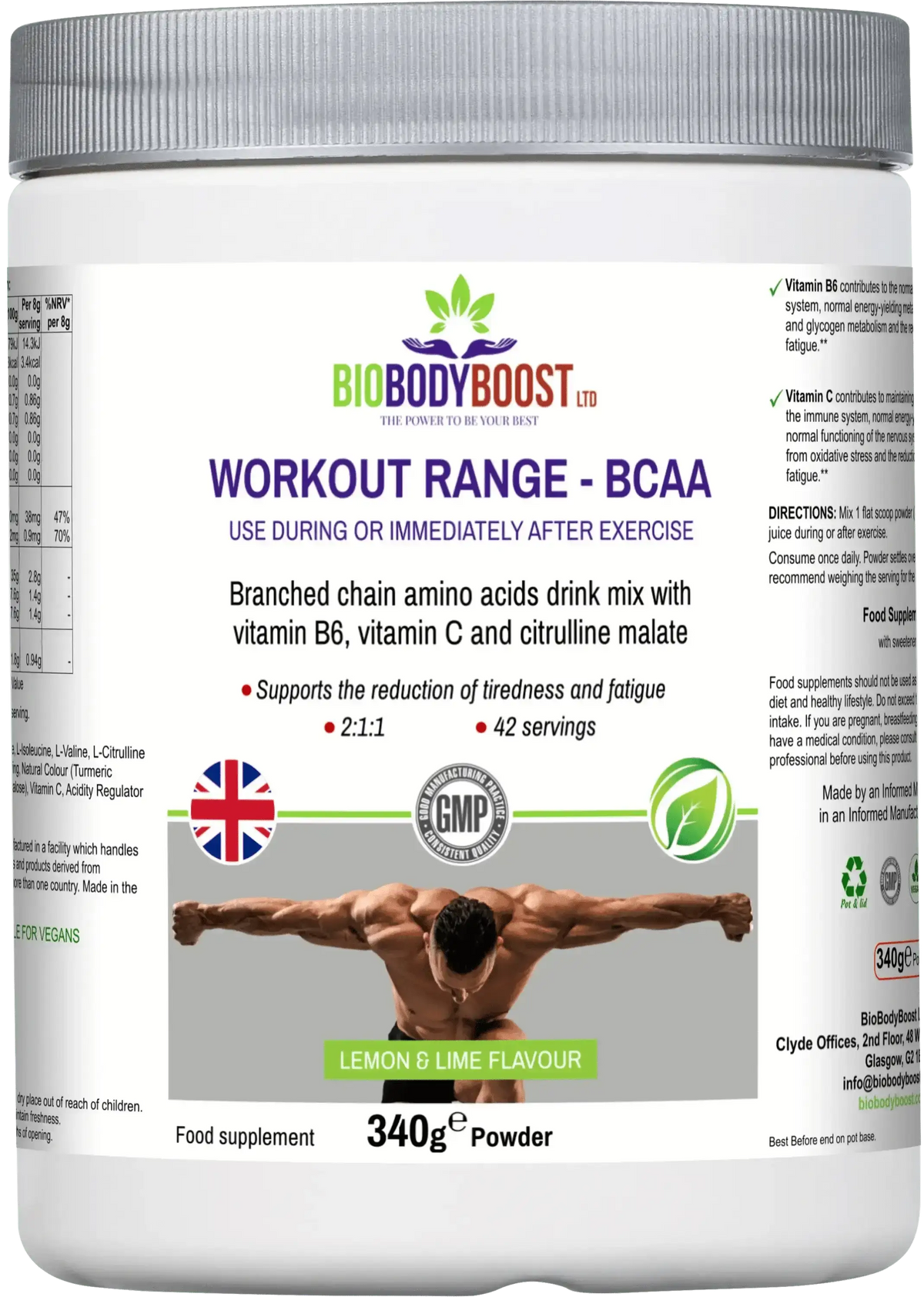
BCAA Drink Mix: 5.6g BCAAs per serving at 2:1:1, plus citrulline, fully disclosed doses, fermented plant-source aminos — vegan and halal certified, which canned BCAA drinks essentially never are. 340g, mixes into any water bottle. Pair with Electro-Hidr8 for sweaty sessions or creatine for strength blocks.
FAQs
Are BCAA drinks worth it?
Canned ones, rarely — the per-gram cost is severe and doses often token. A properly dosed powder mix is worth it in the specific scenarios above; it's not essential if your protein intake is already high.
How much BCAA per drink?
5–10g per serving, 2:1:1 ratio. Below 3g is decorative.
Are BCAA drinks halal?
Only if the aminos are fermented from plant sources — animal-derived BCAA production exists and cans rarely disclose sourcing. Look for explicit vegan/halal certification. More: halal pre-workout guide.
BCAA or protein shake after training?
Protein — it contains all the BCAAs plus everything else muscle repair needs. BCAAs are an intra-workout tool, not a protein replacement. See intra-workout supplements.
Browse the full Protein & Performance UK collection.
Food supplements should not replace a varied diet. Consult your GP if pregnant, breastfeeding, or managing a medical condition including MSUD.