Type 2 diabetes affects approximately 4.3 million diagnosed people in the UK, with an estimated 850,000 undiagnosed. South Asian communities — including British Pakistani, Bangladeshi and Indian Muslim populations — face 3–5 times higher lifetime risk than white British populations, driven by genetic insulin resistance and higher visceral fat percentage at equivalent BMI. Several supplements have genuine clinical evidence for supporting blood glucose management as an adjunct to medical treatment. None replace medication.
Why UK South Asian communities face higher diabetes risk
Research consistently shows South Asian adults develop type 2 diabetes at younger ages and at lower BMI thresholds than white European populations. Proposed mechanisms include: higher visceral fat percentage at equivalent BMI (“thin fat” phenotype with metabolically active abdominal fat); lower baseline insulin sensitivity (genetic predisposition to insulin resistance); higher rates of vitamin D deficiency (which independently predicts diabetes risk); and dietary patterns including refined carbohydrate staples (white rice, white flour). This means metabolic-support supplements have particular relevance for this community.
1. Berberine — strongest evidence for blood glucose management
Berberine activates AMPK — the same metabolic enzyme activated by metformin — and inhibits hepatic gluconeogenesis (liver glucose production).
What research supports: A 2008 RCT in Metabolism (Zhang et al., n=116) directly compared berberine 500mg three times daily to metformin 500mg three times daily in type 2 diabetes patients over 13 weeks. Berberine reduced HbA1c by 2.0% and fasting blood glucose by 6.9 mmol/L — virtually identical to metformin (2.0% HbA1c, 6.8 mmol/L fasting glucose). A 2019 meta-analysis in Oxidative Medicine and Cellular Longevity (27 RCTs, n=2,569) confirmed consistent and significant HbA1c reduction averaging 0.74% vs placebo across all trials.
Critical interactions: never combine berberine with diabetes medication without GP supervision. Combined AMPK activation and glucose-lowering effects can cause hypoglycaemia. Also interacts with warfarin (CYP2C9 inhibition) and cyclosporine (P-glycoprotein inhibition).
Dose: 500mg two to three times daily with or before meals. GI side effects in 10–30% of users — start at 500mg once daily and titrate up. Full guide: berberine UK evidence guide.
2. Magnesium — foundational for insulin sensitivity
Magnesium is a cofactor for insulin receptor tyrosine kinase — the enzyme that initiates cellular response to insulin. Magnesium deficiency directly impairs insulin signalling, and type 2 diabetes and magnesium deficiency have a bidirectional relationship: deficiency promotes insulin resistance; hyperglycaemia increases urinary magnesium excretion, worsening deficiency.
What research supports: A 2017 meta-analysis in Nutrients (Barbagallo and Dominguez, 25 studies) confirmed magnesium supplementation significantly improved insulin sensitivity and fasting glucose in people with magnesium deficiency and type 2 diabetes. UK dietary surveys show approximately 70% of adults consume below the RNI for magnesium.
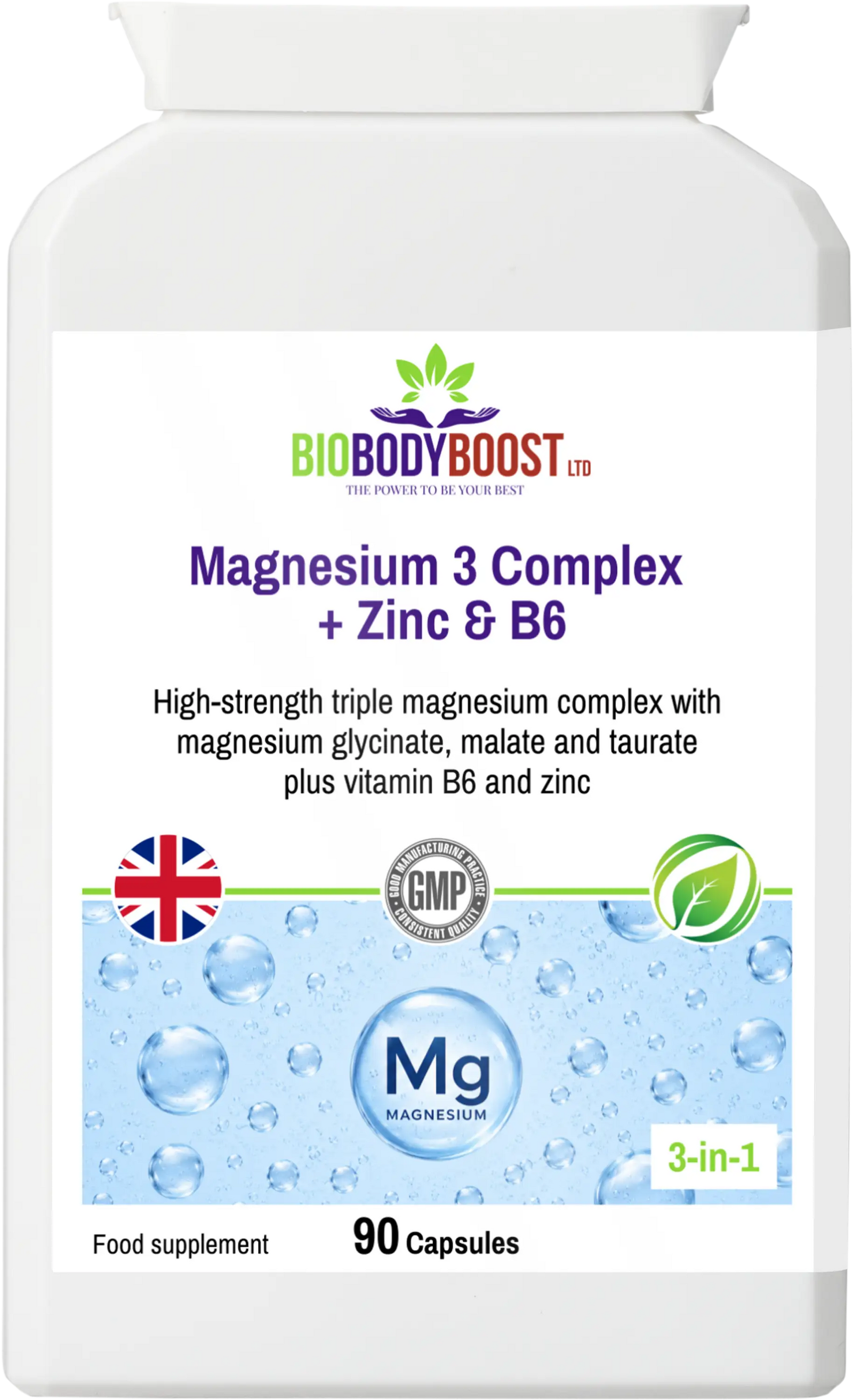
Dose: 300–400mg elemental magnesium as glycinate or malate daily. Our Magnesium 3 Complex — halal approved, vegan.
3. Psyllium husk — post-meal glucose blunting
Psyllium husk’s viscous gel slows gastric emptying and glucose absorption from the small intestine, mechanically reducing post-meal blood glucose spikes. EFSA has authorised the claim that psyllium contributes to the maintenance of normal blood cholesterol levels. EU authorises a similar claim for oat beta-glucan at 3g/day for glucose response blunting.
What research supports: A 2019 meta-analysis in the European Journal of Clinical Nutrition (Jovanovski et al., 35 RCTs) found psyllium supplementation significantly reduced fasting blood glucose (by 0.97 mmol/L) and HbA1c (by 0.42%) in people with type 2 diabetes. A 2020 Cochrane review confirmed psyllium at 10g/day significantly reduced post-meal glucose response in multiple populations.
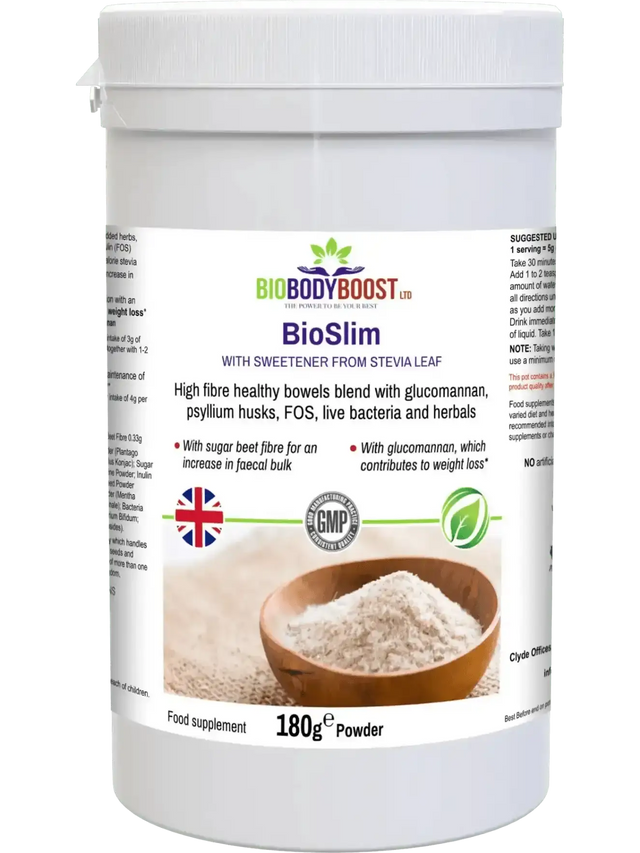
Dose: 5–10g in water immediately before carbohydrate-containing meals. Safe alongside diabetes medication — the glucose-blunting mechanism is mechanical rather than pharmacological. Our BioSlim — halal approved, vegan.
4. Vitamin D — particularly important in UK South Asian communities
Vitamin D receptors are expressed on pancreatic beta cells and insulin-sensitive muscle tissue. Vitamin D deficiency independently predicts both insulin resistance and type 2 diabetes development. UK South Asian Muslim communities have significantly higher vitamin D deficiency rates than the general population, driven by darker skin tone, outdoor covering practices and lower oily fish consumption.
What research supports: A 2020 meta-analysis in Nutrients (Mirhosseini et al., 28 RCTs) found vitamin D supplementation significantly improved insulin resistance (HOMA-IR) and fasting glucose in people with type 2 diabetes or prediabetes who were vitamin D deficient. Effects are most pronounced in people with confirmed deficiency — making UK South Asian adults one of the most clearly indicated populations.
Dose: 2,000–4,000 IU D3 daily with K2. Our Lipovita D3+K2 — liposomal, lichen-derived, halal certified.
5. Chromium picolinate — insulin sensitivity cofactor
Chromium potentiates insulin signalling by activating the insulin receptor. EFSA authorises the claim that chromium contributes to normal macronutrient metabolism and maintenance of normal blood glucose levels at 40μg/day.
What research supports: A 2014 meta-analysis in the Journal of Clinical Pharmacy and Therapeutics (Abdollahi et al., 25 RCTs) found chromium picolinate supplementation produced statistically significant reductions in HbA1c and fasting glucose in type 2 diabetes. Effect sizes are modest — approximately 0.54% HbA1c reduction vs placebo. Most useful as an adjunct, particularly in people with chromium deficiency.
Dose: 200–400μg chromium picolinate daily. Safe alongside most diabetes medications at these doses, though monitoring blood glucose on initiation is prudent.
6. Cinnamon extract — modest fasting glucose reduction
Cinnamon extract activates insulin receptor kinase and inhibits protein tyrosine phosphatase, a negative regulator of insulin signalling.
What research supports: A 2013 meta-analysis in the Annals of Family Medicine (10 RCTs) found cinnamon supplementation significantly reduced fasting blood glucose by approximately 0.53 mmol/L and improved lipid markers vs placebo. Effect sizes are modest but consistent. Standardised cassia cinnamon extract is used in trials — not culinary cinnamon powder at cooking amounts.
Honest limit: coumarin content in cassia cinnamon is a concern at high daily doses (above 1.5g/day long-term) — particularly for people with liver conditions. Ceylon cinnamon (true cinnamon) contains substantially less coumarin and is a safer long-term option.
Supplements to use with extreme caution or avoid with diabetes medication
- Berberine + metformin or insulin: hypoglycaemia risk — never combine without GP review
- Alpha-lipoic acid: significant insulin-sensitising effect; monitor blood glucose carefully if on medication
- Fenugreek: demonstrated glucose-lowering effects at 10–25g/day; monitor if on medication
- High-dose chromium + sulphonylureas or insulin: additive hypoglycaemia risk
- Ginseng: variable blood glucose effects; monitor carefully alongside diabetes medication
Browse the Halal Vitamins UK collection for halal certified, vegan metabolic support supplements.
This article does not constitute medical advice. Type 2 diabetes requires medical diagnosis and ongoing management. Always discuss supplement use with your GP or diabetes care team before starting, particularly if you take glucose-lowering medication.
Can supplements lower blood sugar in type 2 diabetes?
Some can produce clinically meaningful reductions. Berberine at 1,000–1,500mg/day has produced HbA1c reductions comparable to metformin in one head-to-head RCT (Zhang 2008, n=116). Psyllium husk at 10g/day before meals significantly reduces post-meal glucose spikes. Magnesium and vitamin D supplementation in people who are deficient significantly improve insulin sensitivity. None are as potent as prescribed diabetes medication, but berberine specifically has evidence strong enough to discuss with your GP as a potential adjunct to diet and lifestyle changes in prediabetes or early type 2 diabetes.
Is berberine safe for people with type 2 diabetes on metformin?
Not without GP supervision. Both berberine and metformin activate AMPK and lower blood glucose via overlapping mechanisms. Combining them without monitoring can cause hypoglycaemia (blood sugar falling dangerously low). If your GP agrees to try berberine alongside metformin, blood glucose should be monitored more frequently initially and metformin dose may need adjustment. Never start berberine on your own initiative while on any glucose-lowering medication.
Does vitamin D help with type 2 diabetes?
In people who are vitamin D deficient — which includes a high proportion of UK South Asian adults — supplementation significantly improves insulin resistance (HOMA-IR) and fasting glucose in multiple RCTs. The effect is less clear in people who are already vitamin D sufficient. Given that vitamin D deficiency rates in UK South Asian Muslim communities are substantially higher than the general population (driven by skin tone, outdoor covering practices and lower oily fish intake), optimising vitamin D status is one of the most accessible and evidence-backed metabolic interventions for this group specifically.
Are diabetes-support supplements halal?
The main ingredients — berberine (plant-derived), magnesium (mineral), psyllium husk (plant), vitamin D3 (lichen-derived vegan or fish-derived with halal certification), chromium (mineral), cinnamon (plant) — are all halal by source. The critical check is the capsule shell: standard gelatine is typically porcine and not halal unless certified from a halal bovine source. Choose HPMC (plant-derived) capsule products or powder/tablet formats. All BioBodyBoost products use HPMC capsules where applicable and carry third-party halal certification.