
Some people change supplements every few weeks and wonder why nothing shifts. Others keep a simple plan, stay consistent, and quietly notice fewer energy dips, calmer digestion, better recovery, and less stop-start frustration. That is where real supplement routine success stories usually begin - not with a miracle capsule, but with a routine that actually fits real life.
The pattern is surprisingly consistent. The people who get the best results are rarely doing the most. They are doing the right few things, for long enough, with products that match their goals, diet, and tolerance. If you are aiming for steadier energy, gut balance, immune support, joint comfort, or training recovery, the gap between disappointment and progress is often routine design rather than effort.
What supplement routine success stories really have in common
The most believable success stories are not dramatic overnight transformations. They sound more like this: less bloating after lunch, fewer missed workouts because recovery feels better, a more stable afternoon instead of reaching for another coffee, or getting through winter with stronger day-to-day resilience. These are meaningful outcomes because they show up where life actually happens.
There is also usually a practical reason they worked. One person finally chose a probiotic and digestive support formula they could tolerate daily instead of buying the strongest option and giving up after a week. Another paired magnesium or mineral support with an evening routine and slept more consistently, which then improved training, stress handling, and morning focus. A parent added a simple family-friendly immune support habit during the colder months and found that consistency mattered more than loading up only when someone already felt run down.
What these stories prove is not that one ingredient works for everyone. It is that the right blend, taken regularly, in the right context, often does far more than a cupboard full of half-used bottles.
Why good routines beat good intentions
A supplement can be research-backed, third-party tested, plant-based, and thoughtfully formulated - and still fail if it lives at the back of a kitchen cupboard. The routine is what turns potential into results.
That means timing matters, but not in an obsessive way. If a greens powder is easy to take with breakfast, it is more likely to become automatic. If your recovery support sits next to your water bottle and gym kit, it is more likely to happen after training. If your digestive support is tied to your main meal rather than taken randomly, you are less likely to forget it.
This is where many success stories become less mysterious. People stop treating supplements as emergency fixes and start using them as daily support. That shift changes expectations too. Instead of asking, "Do I feel different after one serving?" they ask, "How have the last three weeks felt compared with the three before that?" That is a much better question.
The routines behind the results
For energy and daily performance
One of the most common wins is replacing the cycle of sluggish mornings and jittery afternoons with steadier energy. In practice, this often comes from covering basics first: B vitamins, iron where appropriate, magnesium, greens, hydration support, or protein intake that is actually adequate. People tend to struggle when they chase stimulants instead of foundations.
A realistic success story here is someone who stops relying on three coffees by 2 pm because their breakfast improves, their nutrient support becomes consistent, and they no longer miss key basics through a restrictive or rushed diet. The result may not feel flashy. It feels better - clearer focus, less drag, and fewer crashes.
For digestion and gut balance
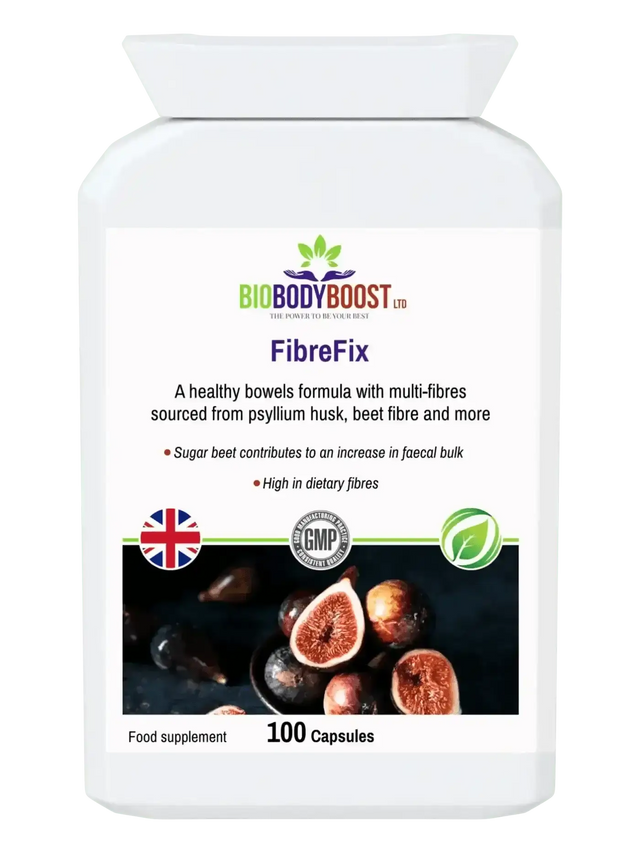
Digestive support is one of the clearest areas where routine matters. The gut usually responds better to consistency than intensity. People who report the best outcomes often start with a gentle probiotic, fibre-aware eating habits, or botanical support that does not leave them feeling worse before they feel better.
A typical success story is not "my digestion became perfect". It is "I no longer feel uncomfortably bloated after every evening meal" or "my stomach feels more settled during busy work weeks". That is exactly the kind of progress that keeps someone committed because it solves a daily annoyance.
There is a trade-off here. More is not always better. Taking several gut products at once can create confusion or discomfort, especially if your system is sensitive. Simpler routines are easier to judge and easier to maintain.
For muscle recovery and training consistency
Fitness-focused customers often expect supplements to work fastest, but the best stories usually come from people who treat recovery as part of performance. Protein, magnesium, electrolytes, omegas, and targeted recovery blends can all play a role, depending on training load and diet quality.
The real result is often indirect. Someone is less sore, so they train again on schedule. They recover better, so they sleep better. They sleep better, so they make better food choices and feel stronger in the next session. One useful routine creates a chain reaction.
This is also where quality matters. Clean-label, well-formulated support is easier to stick with, especially for people who want plant-based options without heavy additives or gut disruption. If a product fits your values and your body responds well to it, adherence goes up.
For immune resilience and seasonal support
Immune support routines often succeed because they are preventative rather than reactive. The strongest stories are rarely about trying to rescue a stressful month with a handful of capsules. They are about staying topped up before life gets hectic.
That might mean daily vitamin and mineral support, vitamin D through lower-light months, or blends chosen for regular use rather than occasional panic. For busy adults and parents, success looks like fewer disruptions, steadier resilience, and feeling less run down when work, school, travel, and poor sleep all pile up at once.
Why some routines fail even with the right ingredients
The biggest problem is mismatch. A person wants support for digestion but chooses a formula aimed at fat loss. Someone needs joint comfort and mobility support but buys a generic multivitamin and expects it to cover everything. Another person wants stress resilience and emotional clarity but takes supplements erratically and sleeps five hours a night.
The second problem is unrealistic timing. Some outcomes can be noticed within days, especially hydration, energy support tied to nutrient gaps, or post-workout recovery. Others need longer. Joint support, skin health, gut balance, and baseline resilience often need a few weeks of consistency before the pattern becomes clear.
Then there is friction. If a routine asks too much of you, it tends to collapse. Five products at five different times may look impressive, but a two-step routine followed daily usually wins. This is one reason tailored supplement planning makes sense. The best routine is the one that fits your goals and your actual schedule.
How to build your own supplement routine success story
Start with one primary goal. Not six. If your biggest issue is bloating after meals, build around digestion first. If it is poor recovery, support that properly before adding extras. Focus creates clearer feedback.
Next, choose formulas that match your preferences and restrictions. For many people, that means plant-based, clean-label, dairy-free or gluten-free options with research-backed ingredients and testing that builds trust. Confidence matters because you are more likely to stay consistent with products that align with your standards.
Then anchor your routine to habits that already exist. Breakfast, the post-gym window, your evening wind-down, or the first glass of water in the morning all work better than relying on memory alone. If you need a supplement to fit a busy London commute, a school run, or a packed office day, keep it simple enough that real life does not knock it out.
Finally, track outcomes that matter in daily life. Energy at 3 pm. Bloating after dinner. How your joints feel on stairs. Whether your legs still feel heavy two days after training. Those are the markers people actually care about, and they are the markers that turn a routine into something worth keeping.
Supplement routine success stories are usually built, not found
It is tempting to think successful supplement users have better luck, better bodies, or better discipline. Most do not. They just stop chasing random fixes and start using a routine that is targeted, realistic, and consistent. That is where clean, research-backed supplementation earns its place.
At BioBodyBoost, that idea sits at the centre of better results: choose support that fits the goal, the diet, and the day-to-day rhythm, then give it enough consistency to do its job. The most useful success story is not the loudest one. It is the one you can actually repeat for yourself.
If your current routine feels crowded, inconsistent, or hard to trust, that is not failure. It is a sign to simplify, sharpen the goal, and make each daily step easier to keep.