
Bloating after a healthy lunch is frustrating. So is buying a probiotic that looks clean on the label, then realising it is packed with fillers, weak strain detail, or storage claims that do not hold up in real life. That is exactly why a proper plant based probiotic review matters - not just whether a product is vegan, but whether it is genuinely built to support gut balance and daily digestion.
A lot of probiotic marketing leans on big numbers and vague promises. More billion CFU. More strains. More benefits. But better digestion is rarely about the biggest headline figure. It is about the right strains, sensible formulation, survivability, and whether the product fits your routine well enough to use consistently.
Plant based probiotic review: the first things to check
Start with the basics. A plant-based probiotic should be free from animal-derived ingredients, but that alone is not enough. A vegan capsule does not automatically mean a better gut support formula. You want transparency around the bacterial strains used, the CFU count at expiry rather than at manufacture, and a formula that avoids unnecessary extras that can irritate sensitive digestion.
Strain naming matters more than many shoppers realise. If a label says only Lactobacillus or Bifidobacterium without the full strain identification, it is harder to assess what you are actually getting. Different strains within the same species can behave differently. For someone dealing with occasional bloating, post-meal discomfort, or digestive inconsistency, that detail is not just scientific window dressing. It is part of what separates a research-backed formula from a generic blend.
The CFU count needs context too. A very high number can look impressive, but it is not always the deciding factor. Some people do well on a moderate dose with well-chosen strains. Others may need a broader blend depending on their diet, stress levels, travel patterns, or recent antibiotic use. More is not automatically smarter.
Then there is the wider ingredient panel. A clean-label approach usually signals better formulation discipline. That means no dairy, no gelatine, no unnecessary artificial colours, and ideally no heavy bulking agents. For many people choosing plant-based supplements, compatibility matters just as much as performance. If your probiotic works on paper but does not suit your dietary standards or leaves you with more discomfort, it is not the right fit.
What makes a good plant-based probiotic actually work
The strongest formulas tend to be practical rather than flashy. They are designed for survival through storage and digestion, and they often pair probiotic strains with supportive ingredients that make sense instead of simply increasing label complexity.
One useful addition is prebiotic fibre, but this depends on the person. In the right amount, it can help feed beneficial bacteria and support a more balanced gut environment. For someone with a very sensitive stomach or active bloating, though, too much prebiotic fibre too soon can feel like a step backwards. This is where a measured formula often beats an overloaded one.
Capsule design also matters. Delayed-release or acid-resistant delivery can improve the chance of the live cultures reaching the gut where they are meant to work. If a product makes no mention of stability, delivery, or testing, it is fair to ask how much confidence you should place in the claims.
Quality control is another area that deserves more attention in any plant based probiotic review. Third-party testing is a strong trust signal because it shows the brand is willing to verify what is on the label. With live cultures, that matters. You are not buying a trend. You are buying something that should remain viable and consistent across batches.
The claims to be cautious about
If a probiotic claims to fix every digestion problem, improve skin, sharpen focus, support immunity, and transform energy levels overnight, step back. The gut influences a lot, but no single supplement should be sold like a cure-all.
A more credible product usually speaks in realistic outcomes. Better daily digestion. Less heaviness after meals. Support during periods of stress or routine changes. More consistency. Those are useful, believable goals. They also reflect how probiotics often work in real life - gradually, not dramatically.
This is especially relevant for people with busy routines. If you are balancing work, training, commuting, family life, and trying to eat well, you want support that feels steady. Not something that creates a big first impression and then fades, or worse, leaves you with more stomach noise than before.
Who benefits most from a plant-based probiotic
Not everyone needs the same probiotic, and not everyone notices results at the same pace. That said, plant-based probiotic support is often worth considering if you deal with recurring bloating, irregular digestion, discomfort after certain meals, or periods where stress seems to throw your gut off course.
It can also be useful after antibiotics, during travel, or when your diet has been less consistent than usual. Many people also choose plant-based options because they align with vegan, dairy-free, halal, kosher, or gluten-free preferences without adding compromise. That lifestyle fit matters. A supplement only supports your routine if you are comfortable taking it every day.
For active people, there is another angle. Intense training can affect digestion, appetite, and routine. If meals are rushed or protein intake is higher, gut support can become part of staying on top of daily performance rather than simply reacting to discomfort.
Plant based probiotic review: how to judge value
Price matters, but value is broader than cost per bottle. A cheap probiotic with poor strain detail or low stability is not a smart buy. On the other hand, the most expensive option is not automatically the most effective.
Look at the cost per daily serving, how many strains are clearly identified, whether the formula is shelf-stable if that suits your routine, and whether the product is designed with clean-ingredient standards in mind. If a brand combines plant-based compatibility, research-backed formulation, and third-party testing, that is usually a stronger indicator of value than a dramatic CFU headline.
It is also worth checking whether the dosage is realistic. If a product expects multiple capsules several times a day, that can become hard to maintain. Simplicity wins. One of the best signs of a useful supplement is that it slides into everyday life without friction.
What results can you realistically expect?
The best probiotic experience is often subtle at first. You may notice less heaviness after meals, more regular digestion, and fewer days where your stomach feels unsettled for no obvious reason. Some people also describe feeling lighter and more comfortable through the day, especially if bloating has been a recurring issue.
The timeline varies. A few people feel a change within days. For others, it takes a few weeks of consistent use. Diet, hydration, sleep, fibre intake, and stress all play a part, so it is rarely fair to judge a probiotic in isolation.
This is why expectation management matters. If your food choices are erratic, your stress is high, and you are sleeping badly, even a well-formulated probiotic has limits. It can support a stronger foundation, but it cannot replace it.
A smarter way to choose your next probiotic
If you are comparing options, think less like a trend shopper and more like someone building a reliable daily health routine. Ask whether the formula is clearly plant-based, whether the strains are properly identified, whether the dose is sensible, and whether the brand shows proof cues such as research-backed development and third-party testing.
A modern supplement should work with your lifestyle, not against it. That means no complicated protocol, no gut disruption from unnecessary additives, and no confusion around what is actually in the capsule. Clean ingredients and science-backed formulation are not opposing ideas. The best products bring both together.
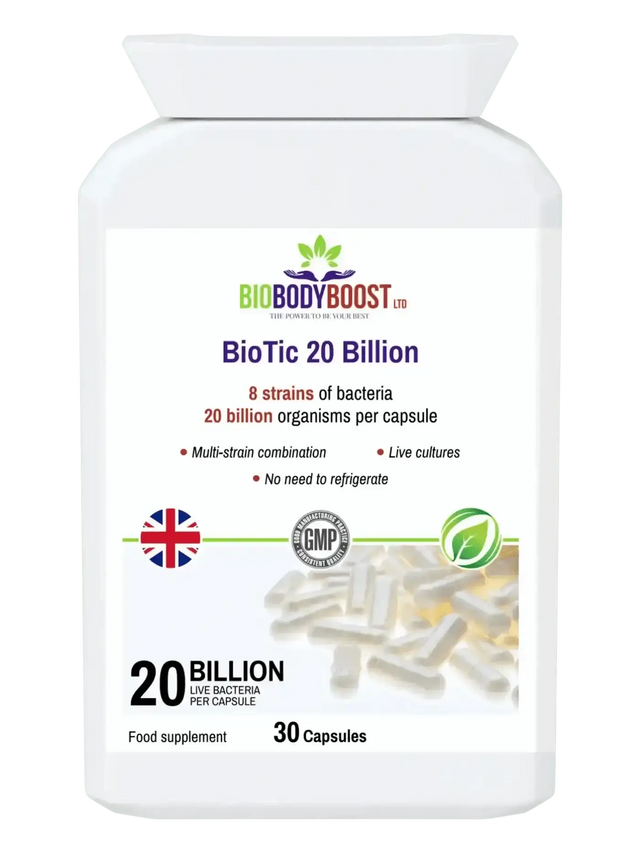
For shoppers who want that balance, BioBodyBoost reflects the kind of standard worth looking for - plant-based compatibility, transparent wellness goals, and formulations designed to support everyday results rather than empty hype.
The right probiotic is rarely the loudest one on the shelf. It is the one you trust enough to keep using, the one your stomach settles into, and the one that helps daily digestion feel less like a battle and more like a baseline.