Approximately 1 in 7 UK couples experience difficulty conceiving — a figure that rises with maternal age and is influenced by both male and female factors. Nutritional status has documented effects on fertility: egg quality, sperm DNA integrity, hormonal balance, ovulation regularity and implantation all have direct nutrient dependencies. While supplements cannot overcome primary structural or genetic causes of infertility, they can meaningfully support reproductive function when nutritional factors are contributing. Here is what the evidence shows, organised by gender and health goal.
Important Context: Supplements as Support, Not Treatment
Supplements support reproductive health — they do not replace medical fertility investigation and treatment. If you have been trying to conceive for 12 months (or 6 months if over 35), see your GP for fertility investigation. Supplements are most relevant for: optimising nutritional status before and during conception attempts, supporting sperm quality in the 70–90 day sperm production cycle, and addressing specific documented deficiencies that impair fertility.
Female Fertility Supplements
Folate / Methylfolate — non-negotiable
The NHS recommends 400mcg folic acid daily for all women trying to conceive and through the first 12 weeks of pregnancy for neural tube defect prevention. For women with MTHFR variants (approximately 40% of the population), methylfolate (5-MTHF) is more reliably converted to the active form. See the full MTHFR guide. For women with a personal or family history of neural tube defects, 5mg prescribed folate is appropriate — discuss with GP.
Coenzyme Q10 — egg quality
Evidence: Moderate — RCT data in IVF patients
CoQ10 is essential for mitochondrial energy production in oocytes (eggs). Egg quality — and specifically the mitochondrial function of eggs — declines with age from the mid-30s. CoQ10 supports mitochondrial function and protects eggs from oxidative damage. A 2018 RCT found CoQ10 supplementation (600mg daily for 60 days before IVF) significantly improved egg maturity and fertilisation rates in women over 35 undergoing IVF. Multiple subsequent studies support this effect particularly in older women or those with diminished ovarian reserve. Dose: 300–600mg ubiquinol or 400–800mg ubiquinone daily, starting 2–3 months before attempting conception.
Myo-inositol — for PCOS-related fertility
Evidence: Very strong for PCOS
PCOS is the most common cause of anovulatory infertility in the UK. Myo-inositol at 2,000–4,000mg daily significantly improves ovulation regularity, reduces testosterone and improves egg quality in PCOS. Multiple RCTs confirm improved spontaneous ovulation and pregnancy rates. See the full PCOS guide.
Vitamin D3 — hormonal foundation
Evidence: Strong — deficiency impairs multiple fertility pathways
Vitamin D receptors are present in the ovaries, endometrium and pituitary gland. Vitamin D deficiency is associated with: lower AMH (anti-Müllerian hormone — ovarian reserve marker), reduced endometrial receptivity and lower IVF success rates. A meta-analysis found women with adequate vitamin D had significantly higher clinical pregnancy rates from IVF than deficient women. Given the extremely high deficiency rates in UK South Asian Muslim women, this is a critical fertility nutrient for this population.
Omega-3 DHA — egg and embryo development
DHA is incorporated into oocyte membranes and is required for early embryonic development. Multiple studies link higher omega-3 status with improved egg quality and embryo development rates. DHA at 200–500mg daily is appropriate for women trying to conceive — choose halal-certified format without porcine gelatine softgels.
Male Fertility Supplements
Zinc — sperm production cornerstone
Evidence: Very strong — zinc is directly required for spermatogenesis
Zinc is the most important mineral for male fertility. It is highly concentrated in seminal fluid and is required for: testosterone synthesis, sperm cell division during spermatogenesis, sperm motility and tail development, and protection of sperm DNA from oxidative damage. Zinc deficiency reduces sperm count, motility and morphology. Multiple trials confirm zinc supplementation improves all three sperm parameters in deficient men. Vegans and vegetarians are at particular risk due to poor zinc bioavailability from plant foods.
Coenzyme Q10 — sperm motility
Evidence: Strong — multiple RCTs in infertile men
CoQ10 is highly concentrated in the sperm midpiece (where mitochondria are located — the energy source for sperm motility). A 2009 RCT found 300mg CoQ10 daily for 26 weeks significantly increased sperm count, motility and morphology in infertile men. Multiple subsequent trials confirm improvements in sperm motility particularly. The spermatogenesis cycle takes 70–90 days — supplementation must be maintained for at least 3 months to see impact.
Selenium — sperm DNA integrity
Evidence: Good — selenium-dependent enzymes protect sperm DNA
Selenoprotein P is the primary selenium transport protein in male reproductive tissue. Selenium is required for glutathione peroxidase activity in sperm — protecting against reactive oxygen species that damage sperm DNA. Oxidative sperm DNA damage is a significant and underdiagnosed cause of male infertility. Multiple trials show selenium supplementation (100–200mcg) reduces sperm DNA fragmentation and improves morphology. Remember UK men have among the lowest selenium intakes in Europe — this is particularly relevant.
L-Carnitine — sperm energy metabolism
Evidence: Good — multiple fertility-specific trials
L-carnitine transports long-chain fatty acids into sperm mitochondria for beta-oxidation — providing the energy for sperm motility. Seminal plasma L-carnitine concentration correlates with sperm motility. A meta-analysis of 7 RCTs confirmed carnitine supplementation significantly improved sperm motility and pregnancy rates in subfertile men. Dose: 2–3g L-carnitine or acetyl-L-carnitine daily.
Halal Compliance in Fertility Supplements
The main concern is omega-3 and CoQ10 softgels — both are commonly sold in porcine gelatine softgels. HPMC or fish-gelatine-certified alternatives exist. All supplements should use plant-derived capsules or specifically halal-certified bovine/fish gelatine. Full third-party halal certification is the gold standard.
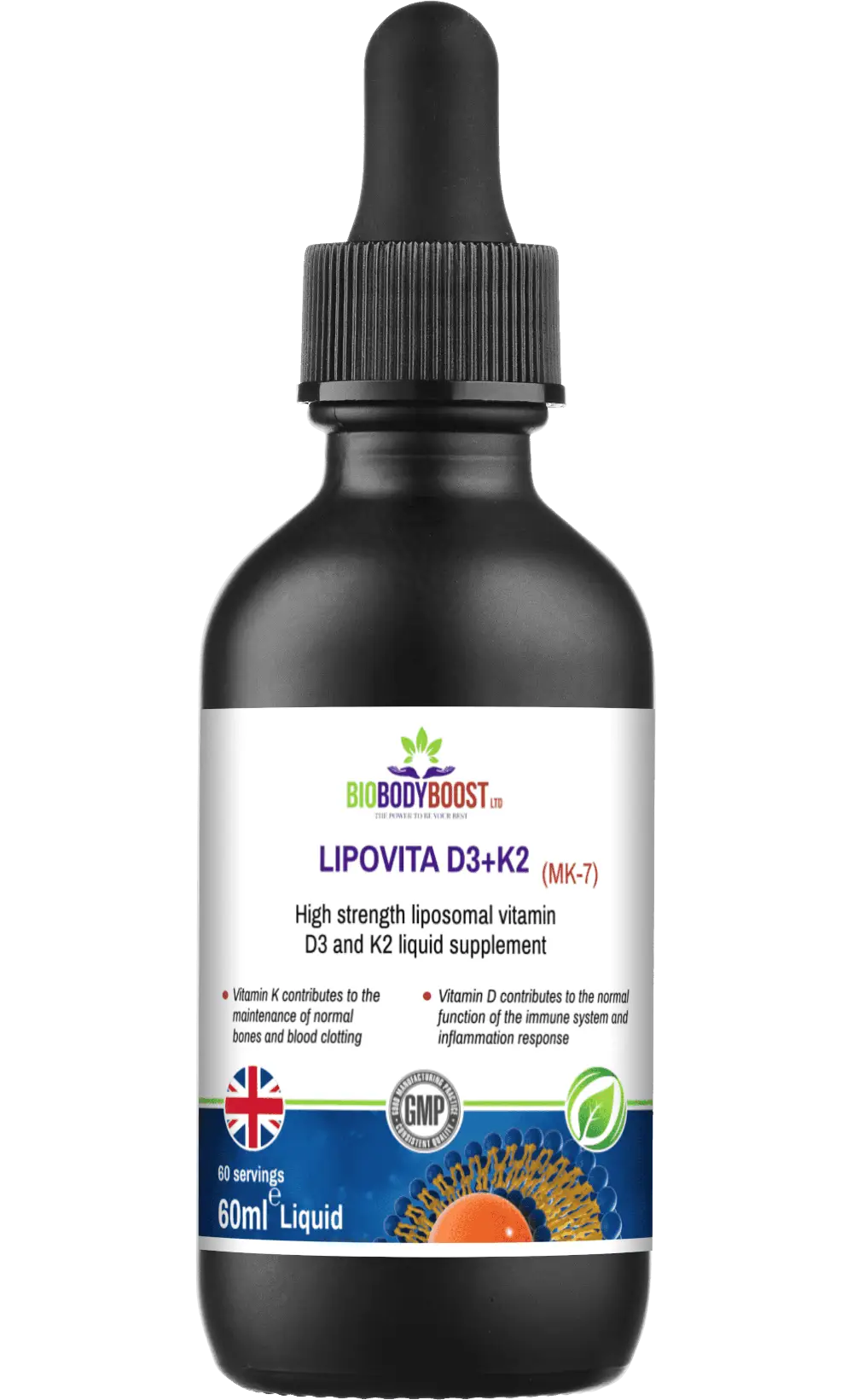
Magnesium 3 Complex (zinc for both male and female fertility) · Lipovita D3+K2 (vitamin D — especially critical for UK South Asian women) · OmegaBalance (DHA/EPA for egg and embryo development). All halal certified, UK GMP. Browse the full range.