
A long ingredient list used to feel like proof that a supplement was doing more. Now it often raises the opposite question - why is all that in there? That shift sits at the heart of clean label supplement trends, and it is changing how people shop for everything from gut support and greens to protein and family wellness.
For most people, this is not about chasing a buzzword. It is about wanting formulas that fit real life - plant-based, easy to understand, free from unnecessary fillers, and backed by proper quality checks. If a supplement is part of your daily routine, you want to know what you are taking, why it is there, and whether it is likely to support the result you actually care about.
What clean label means in supplements now
Clean label used to be shorthand for a shorter ingredients panel. That still matters, but the standard has moved on. Shoppers are looking beyond the front of the pack and asking tougher questions about sourcing, processing, allergens, sweeteners, coatings, and testing.
In practice, a clean label supplement is usually built around recognisable ingredients, transparent claims, and a formula designed to do a clear job without clutter. That might mean no artificial colours, flavours or preservatives. It might mean vegan capsules instead of gelatine, or botanical blends without hidden bulking agents. It often also means third-party testing, because “clean” without proof is just marketing.
There is a trade-off here. Simpler does not always mean better if the formula becomes underpowered or less stable. Some functional ingredients need a carrier, a capsule shell, or a flow agent to manufacture well and stay consistent. The stronger brands are not pretending every additive is bad. They are choosing carefully, using only what serves the product, and being upfront about it.
Clean label supplement trends are becoming more functional
One of the biggest shifts is that clean label is no longer only about what has been removed. It is also about what has been improved. Consumers want cleaner formulas, but they still expect noticeable support for energy, digestion, recovery, immunity, and everyday balance.
That has pushed brands towards more purposeful blends. Instead of throwing together dozens of trendy ingredients, newer formulas are being built around a smaller number of researched actives at sensible doses. The message is simple: fewer ingredients, stronger rationale.
This matters because many people have become wary of products that sound impressive but deliver very little. If you are taking magnesium for sleep quality or probiotics for gut balance, you want the amount, form and supporting ingredients to make sense. Clean label now includes efficacy in the conversation, not just appearance.
Plant-based is moving from niche to baseline
For a wellness audience that values natural alternatives and ethical compatibility, plant-based has moved from a preference to a default expectation. That is especially visible in capsules, protein powders, greens blends, omega alternatives, and herbal formulas.
The appeal goes beyond values. Plant-based supplements often fit more dietary needs at once, including dairy-free and gelatine-free lifestyles. For busy households and mixed-diet families, that removes friction. One product can suit more people without compromise.
There is nuance, though. Plant-based should not be confused with automatically gentle or superior. Some botanical ingredients can still be harsh on sensitive digestion, and some vegan formulas need careful work to support absorption. The best products balance natural sourcing with smart formulation, so the supplement feels good to take and performs consistently.
Transparency is becoming a buying trigger
People are reading labels with more confidence than they did a few years ago. They are checking the active form of nutrients, the source of botanicals, the presence of allergens, and whether claims sound realistic. That pressure is forcing better transparency across the category.
A clean label product increasingly needs to explain itself. Where was the ingredient sourced? Is it standardised? Is the formula third-party tested? Does the dosage reflect research, or is it just there for label appeal? These are not niche questions anymore. They are part of mainstream supplement buying behaviour.
For brands, that means clarity wins. If a formula supports immune resilience, gut comfort or post-workout recovery, the supporting details need to be visible and understandable. Consumers are not asking for a biochemistry lecture. They want enough evidence to feel confident that the product is honest, well-made and worth repeating every day.
Fewer fillers, cleaner textures, better tolerance
Another key movement in clean label supplement trends is the push for formulas that feel lighter on the body. That is especially relevant for people who have experienced bloating from shakes, unpleasant aftertastes from tablets, or stomach upset from harsh blends.
This is driving demand for better excipient choices, gentler sweetening systems, and simpler delivery formats. In powders, cleaner flavour systems matter because they affect adherence. In capsules and tablets, unnecessary binders and coatings are under more scrutiny. In gut health, sports nutrition and weight support, tolerance is often the difference between a supplement that gets used for a week and one that becomes part of a long-term routine.
Again, it depends on the product type. A protein powder designed for smooth mixing may need more formulation support than a single-ingredient capsule. The goal is not absolute minimalism at any cost. It is reducing the ingredients that add little value while protecting the user experience.
Personalisation is shaping the next phase
The clean label space is becoming more personalised, and that makes sense. People are no longer shopping only by category. They are shopping by outcome, dietary restriction, training load, age, sensitivity, and lifestyle.
That means one-size-fits-all formulas are losing ground to targeted solutions. Someone focused on stress resilience and emotional clarity wants something different from a parent looking for everyday family support, or a runner aiming to reduce soreness after training. Clean label expectations carry across all of those goals, but the product design changes.
Personalisation also sharpens trust. When a brand can filter by vegan, gluten-free, gut support or recovery needs, it reduces decision fatigue. It helps customers find formulas that make sense for their body and routine instead of buying a broad product and hoping for the best.
Science-backed claims matter more than clean branding
A minimalist label and earthy packaging are not enough anymore. As the market matures, buyers are becoming more alert to the gap between a clean aesthetic and a research-backed formula.
That is a healthy shift. A supplement should not rely on vague promises like “wellness support” if the real goal is better digestion, joint comfort or immune defence. Stronger brands are pairing clean ingredients with clinically-researched actives, meaningful dosing and test-based quality standards.
This does not mean every ingredient needs a dramatic claim. Some products are designed for broad foundational support. But if the formula is positioned around a practical outcome, the science should be specific enough to support that outcome. Clean label works best when it is part of a trust story, not a substitute for one.
Sustainability is becoming part of the clean label conversation
Many shoppers now see ingredient quality and environmental impact as linked. If a supplement is marketed as natural, they also want to know whether the sourcing and packaging choices match that message.
This trend shows up in demand for traceable botanicals, lower-impact packaging, and alternatives to animal-derived ingredients. It is particularly relevant for omega-style products, superfoods, and globally sourced herbs, where provenance can affect both purity and perception.
There is no perfect formula here. Sustainable sourcing can raise costs, and not every eco-friendly packaging option protects product freshness equally well. But the direction is clear: clean label is expanding beyond the ingredients list to include the broader footprint of the product.
What shoppers should look for next
As clean label supplement trends continue to evolve, the smartest buying habit is to match the label to the outcome. Start with the reason you want support. Better morning energy, less bloating after meals, steadier recovery, stronger daily defence - the goal should guide the format and ingredient profile.
Then read with a practical eye. Look for a formula that is clear about what is inside, why it is there, and how quality is checked. Be cautious of products that are very loud about what they leave out but vague about what they actually deliver.
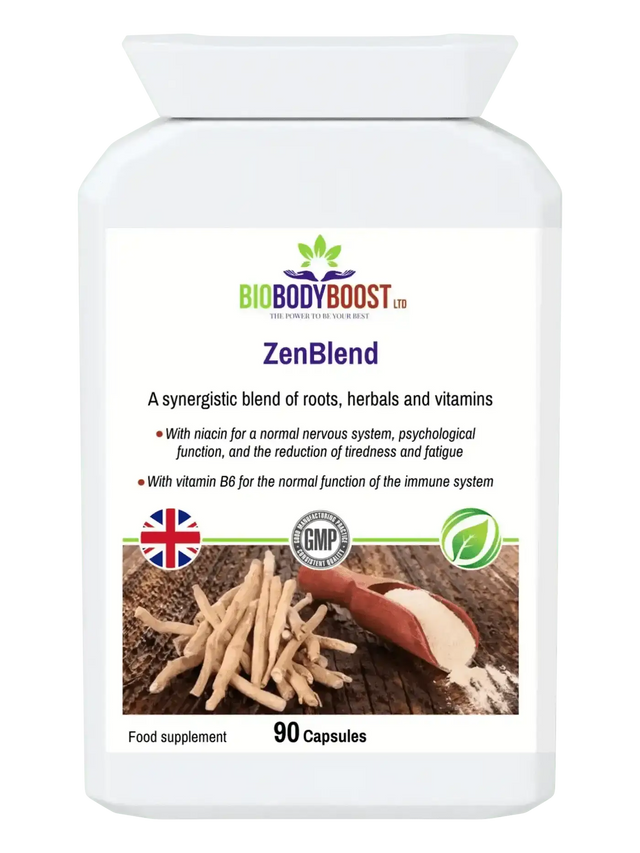
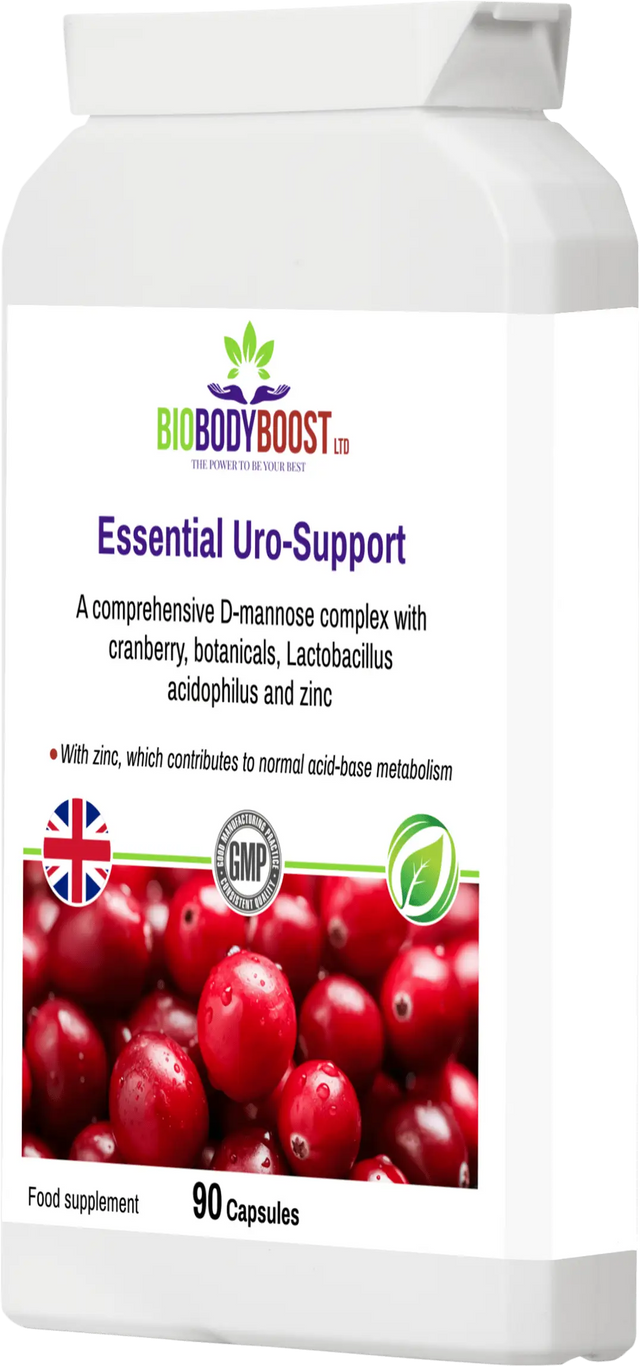
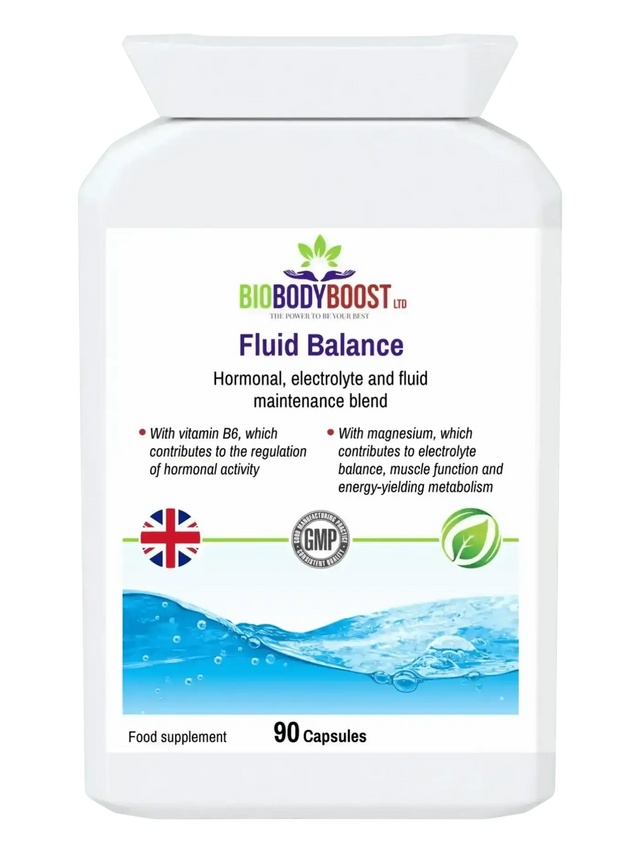
At BioBodyBoost, that is the standard worth aiming for: clean-label thinking paired with plant-based formulation, research-backed choices and third-party tested quality. Because the best supplement trend is not the flashiest one. It is the one that helps you feel better, stay consistent, and trust what is in your daily routine.