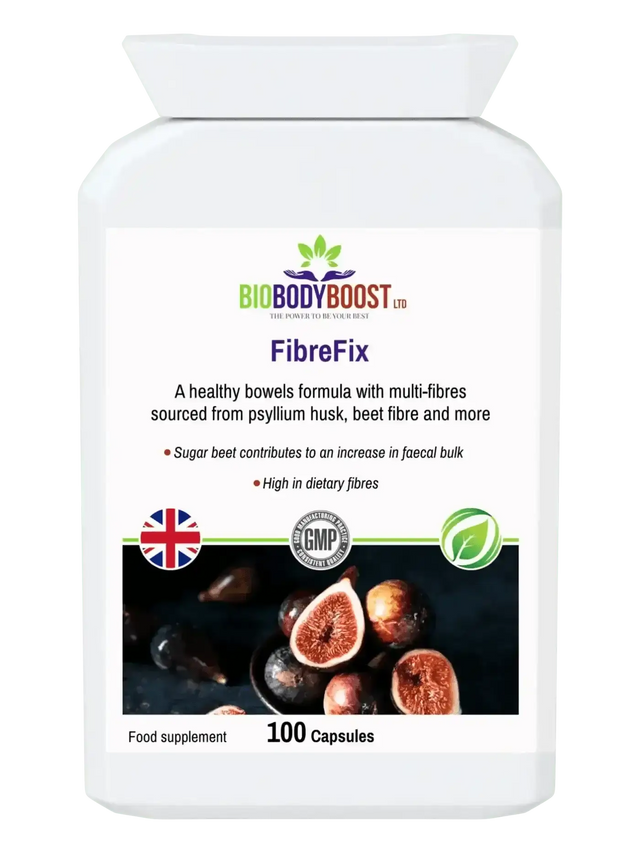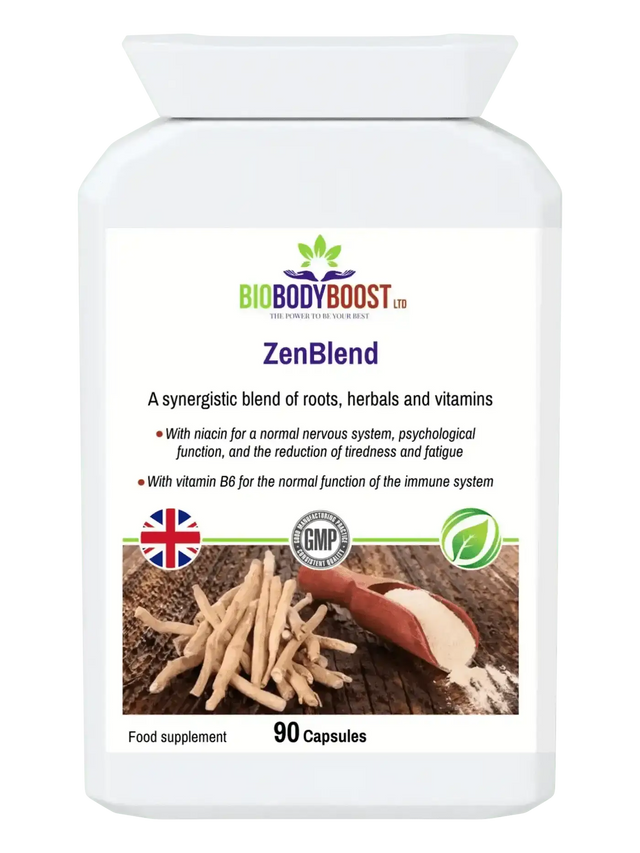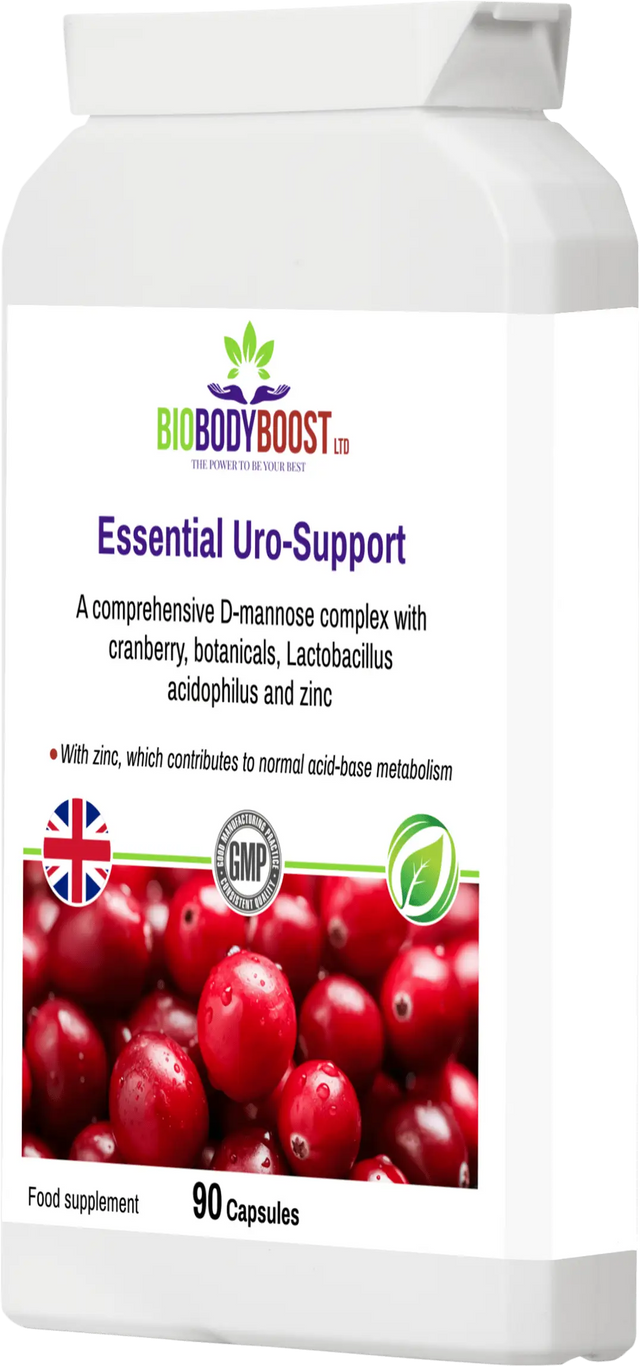

Most people do not need more supplements. They need a better match. If you have ever bought a broad stack for energy, digestion or immunity and ended up with half-used tubs in the cupboard, this is where learning how to personalise dietary supplements makes a real difference.
Personalisation is not about turning your routine into a chemistry project. It is about choosing fewer, better-fit formulas based on your goals, diet, lifestyle and tolerance. Done well, it can support steady energy, gut balance, recovery and long-term health without adding unnecessary extras your body does not need.
Why how to personalise dietary supplements matters
The supplement aisle is crowded because health goals overlap. Low energy could be linked to poor sleep, low iron intake, stress, inadequate protein, heavy training or simply not eating regularly. Bloating after meals might point towards fibre imbalance, food intolerance, rushed eating or a need for gut support. If you treat every symptom with a random capsule, results usually stay random too.
A personalised approach works better because it starts with context. Your age, food choices, training load, digestive sensitivity, work pattern and dietary restrictions all affect what is useful, what is optional and what may not suit you at all. That is especially true if you prefer vegan, gluten-free or dairy-free formulas and want clean-label options with research-backed ingredients and third-party testing.
There is also a practical point. A supplement routine only works if you can stick to it. The best formula on paper means very little if it causes stomach discomfort, clashes with your meals or feels too complicated for busy weekdays.
Start with the outcome, not the ingredient
The easiest mistake is shopping by ingredient trends rather than by the result you actually want. Instead of asking, "Should I take magnesium, probiotics or greens?" start with, "What is the main thing I want to improve in the next eight weeks?"
That could be better morning energy, calmer digestion, fewer winter sick days, improved joint comfort, stronger workout recovery or support during a calorie deficit. Pick one main goal and one secondary goal. Any more than that and your routine gets bloated fast.
This matters because some products are broad daily foundations, while others are more targeted. A high-quality multinutrient may help fill general gaps, but it is not a direct replacement for goal-specific support such as gut-focused probiotics, protein for muscle recovery, or botanicals aimed at stress resilience and emotional clarity. The right mix depends on whether you need a base layer, a targeted boost, or both.
Look at your diet before you buy anything
If you want to know how to personalise dietary supplements properly, your plate comes first. Supplements should support your diet, not disguise it.
If you eat mostly plant-based, certain nutrients deserve closer attention because intake can vary more easily. Protein quality, omega oils, vitamin B12, iron, zinc and vitamin D are common examples. That does not mean everyone on a vegan diet needs the same stack. It means you should look honestly at what your typical week contains, not what your best day of eating looks like.
If your meals are rushed, repetitive or low in variety, a well-chosen foundational supplement can make sense. If your diet is already strong, you may need less than you think. A health-conscious parent, for example, may need simple family support around immunity and daily nutrition, while a gym-goer focused on recovery may do better with protein, hydration and joint or muscle support rather than a crowded all-round routine.
Match supplements to your routine and tolerance
A supplement that upsets your stomach, leaves a bad aftertaste or asks for three separate timings a day is not personalised. It is a burden.
Think about when you actually eat, train and sleep. If you skip breakfast, a supplement best taken with a full morning meal may be a poor fit. If your digestion is sensitive, highly concentrated blends or large doses may be too much at once. If you train in the evening, a formula designed to support recovery may make more sense after sessions than another generic daytime product.
This is where clean, well-formulated supplements stand out. Plant-based capsules, sensible dosing, quality oils and blends designed for better absorption can make daily use much easier. The goal is support without gut disruption, not a routine you dread.
Build around categories, not just single nutrients
For most people, personalisation works best when you think in categories linked to outcomes. A foundation layer often sits in vitamins and minerals, omega oils or greens. Goal-led support may sit in probiotics and gut support, sports nutrition, herbal blends, beauty and skin support, or joint and mobility formulas.
The value in category thinking is that it helps you avoid duplication. Someone taking a multinutrient, an immune blend and a greens powder may unknowingly stack the same nutrients several times. More is not always better. In some cases, it just makes your routine expensive and harder to judge.
A smarter approach is to ask what each product is doing. Is it covering a likely nutritional gap? Supporting a defined goal? Helping during a specific season or training block? If you cannot answer that clearly, it may not belong in your routine.
Know when personalised means tailored
There is a difference between choosing products thoughtfully and needing a more tailored approach. If you have multiple dietary restrictions, recurring digestive issues, a very specific wellness goal or a history of reacting badly to standard formulas, tailored dietary supplements may be the better route.
This is where ingredient exclusions, dose sensitivity and lifestyle fit really matter. A busy professional may want all-day support without stimulants or jitters. A parent may need family-friendly options that work around school runs and inconsistent sleep. A plant-based athlete may need extra focus on protein intake, recovery and minerals lost through training.
Tailored support can reduce decision fatigue because it narrows the field to what suits your body and routine, not just what is popular. BioBodyBoost approaches this in a way that keeps personalisation practical rather than overwhelming - clean-label formulas, dietary compatibility and goal-led choices that feel usable in real life.
Use evidence, not hype
A personalised routine should still be science-backed. Natural health culture has plenty of good ideas, but not every trending ingredient has strong evidence behind it.
Look for formulas built around clinically-researched ingredients, transparent labelling and third-party testing. That gives you a stronger read on quality, dosage and trust. It also protects you from one of the biggest supplement traps: buying based on marketing language alone.
That said, evidence does not always mean one perfect answer. Some people respond well to certain probiotic strains, adaptogenic herbs or mineral forms, while others notice very little. It depends on the formula, the dose, your diet, your consistency and the problem you are trying to solve. Personalisation means staying open to adjustment rather than expecting instant results from every product.
Track what changes and what does not
If you introduce five supplements at once, you will have no idea what is helping. Start with one or two products that match your top priority. Use them consistently for a sensible window, often four to eight weeks depending on the category.
Then assess specific markers. Are you less bloated after meals? Do you recover better after training? Is your energy steadier through the afternoon? Are you getting fewer sick days, better skin clarity or more comfortable joints on walks and workouts? Keep it simple and practical.
This is also where trade-offs show up. A broad formula may be convenient but less targeted. A specialist product may work well for one goal but not support your wider routine. The sweet spot is usually a small, focused stack you can maintain daily without second-guessing every capsule.
Avoid the two biggest mistakes
The first mistake is overbuying. More products do not equal better results. Most people benefit from tightening their routine, not expanding it.
The second is copying someone else. Your friend may swear by a gut blend, protein shake and greens combo. A colleague may load up on immune support every winter. That does not mean the same setup fits your sleep, diet, digestive tolerance or training demands. Personalised means personal.
It is also worth checking with a healthcare professional if you are pregnant, breastfeeding, taking medication, managing a medical condition or considering higher-dose supplements. Good supplement habits work alongside sensible medical advice, not against it.
A better way to build your routine
If you want a simple framework, think in three layers. First, cover obvious nutritional gaps linked to your diet. Second, add one targeted product for your main health goal. Third, review after a few weeks and remove anything that is not earning its place.
That keeps your routine lean, effective and easier to stick to. It also helps you spend with more intention. The best supplement plan is not the most impressive one. It is the one that fits your life, respects your diet and helps you feel a clear difference.
Personal health rarely improves because you bought more. It improves when your choices become more precise, more consistent and more aligned with what your body is actually asking for.