IBS (irritable bowel syndrome) affects an estimated 1 in 5 adults in the UK, making it one of the most common gastrointestinal conditions seen by GPs. Despite its prevalence, IBS remains poorly understood mechanistically, and conventional treatment options are limited. Probiotics have emerged as one of the most evidence-supported natural interventions for IBS symptom management — but the research is highly strain-specific. Taking any probiotic and expecting IBS benefits is like taking any painkiller and expecting it to work on every type of pain. This guide explains which strains have genuine clinical evidence, in what doses and for which IBS subtypes.
IBS Types and Why They Matter for Probiotic Selection
IBS is classified into four subtypes based on dominant bowel habit:
- IBS-D (diarrhoea-predominant) — loose, frequent stools
- IBS-C (constipation-predominant) — infrequent, hard stools
- IBS-M (mixed) — alternating between diarrhoea and constipation
- IBS-U (unclassified) — IBS symptoms without a clear bowel habit pattern
Different probiotic strains show stronger evidence for different subtypes. Identifying your subtype helps target supplementation more precisely. If bloating rather than bowel habit is your dominant complaint, our guide to anti-bloating supplements covers the wider toolkit — enzymes, fibre and peppermint alongside probiotics.
Which Probiotic Strains Have Evidence for IBS?
Lactobacillus acidophilus
L. acidophilus is the most extensively studied probiotic strain for IBS overall. Multiple randomised controlled trials show significant reductions in abdominal pain, bloating and stool irregularity with L. acidophilus supplementation across IBS subtypes. It normalises gut motility, reduces intestinal permeability, and modulates the gut-brain axis signalling involved in visceral hypersensitivity — the exaggerated pain response to normal gut sensations that characterises IBS.
Bifidobacterium infantis 35624
B. infantis 35624 was studied in a large multicentre trial involving over 360 IBS patients, finding significant improvements in abdominal pain, bloating and bowel habit normalisation versus placebo over 8 weeks. It is now considered one of the best single-strain options for IBS overall, particularly IBS-D.
Lactobacillus rhamnosus GG
L. rhamnosus GG has strong evidence specifically for IBS-D and post-infectious IBS — the subtype that develops following a gut infection, accounting for approximately 10–15% of all IBS cases. It reduces intestinal permeability, normalises stool frequency and has anti-inflammatory effects on the gut mucosa.
Saccharomyces boulardii
S. boulardii has specific evidence for IBS-D, with a meta-analysis in Alimentary Pharmacology & Therapeutics confirming significant diarrhoea reduction across multiple GI conditions. Its antibiotic resistance makes it the only probiotic that remains active during antibiotic courses — relevant for post-antibiotic IBS.
Strain matching by IBS type
| IBS pattern | Best strains | BBB option |
|---|---|---|
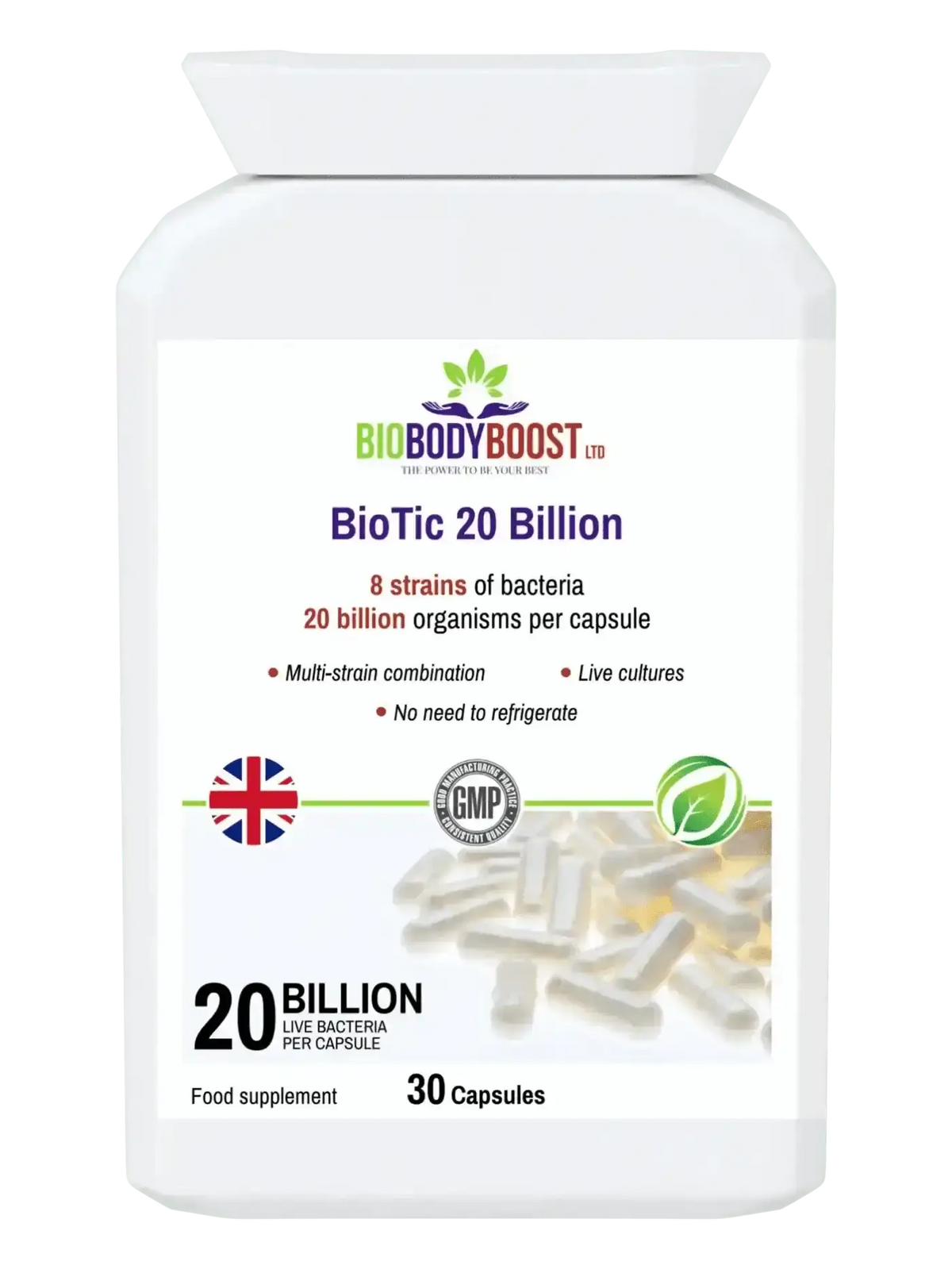
| Bloating + abdominal pain | B. infantis, L. plantarum, B. longum | BioTic 20 Billion |
| Diarrhoea-predominant (IBS-D) | S. boulardii, L. rhamnosus, B. infantis | SaccharoMyTum |
| Stress-triggered IBS | B. longum, L. acidophilus | BioTic 20 Billion |
| New / sensitive digestion | Low-dose multi-strain (build up) | BioTic 4 Billion |
What CFU Count Do You Need for IBS?
CFU count matters significantly for IBS symptom management. Most IBS clinical trials showing benefit used doses of 5–40 billion CFU daily — substantially higher than the 1–4 billion CFU found in many supermarket probiotics. For active IBS symptom management, aim for a minimum of 10 billion CFU from clinically relevant strains. A 20 billion CFU multi-strain formula provides a more robust intervention than lower-dose products.
How Long Do Probiotics Take to Work for IBS?
Clinical trials showing benefit typically run for 4–8 weeks. Initial improvements in bloating and urgency are often noticeable within 2–3 weeks, with more consistent symptom improvement building over the full 4–8 week period. Consistency matters more than perfect timing — daily use is more effective than irregular use.
Frequently asked questions
Can probiotics make IBS symptoms worse initially?
Temporarily, yes — some people notice extra gas or changes in bowel habit in the first 1–2 weeks as the gut microbiome adjusts. This usually settles. If symptoms clearly worsen beyond 2 weeks, stop and consult your GP.
Should I take probiotics before or after food?
With food — a meal buffers stomach acid and improves bacterial survival through the stomach to the intestine where they colonise.
Are these probiotics halal certified?
Yes — BioTic 20 Billion, BioTic 4 Billion and SaccharoMyTum are all halal approved, kosher approved, UK-made and free from artificial fillers, in plant-derived HPMC capsules. Check each product page for the current dietary status and allergen statement.
Explore the full Gut Health UK and Halal Vitamins UK collections.
Food supplements should not replace a varied diet or healthy lifestyle. Consult your GP if you have been diagnosed with IBS or any gastrointestinal condition before starting new supplements.