Search interest in dandelion root has grown roughly 123% year on year — nearly 50,000 monthly searches — making the garden weed one of 2026's fastest-rising supplements. It isn't arriving alone: it's the flagship of a wider revival of the European bitter-herb tradition — dandelion, chicory, artichoke, gentian, milk thistle — as TikTok rediscovers what herbalists called "bitters" and grandmothers called an apéritif. Here's what this family of herbs actually is, what's traditional versus evidenced, and how to use it without the hype.
What Bitter Herbs Are (And Why They're Back)
Bitter botanicals share a mechanism your tongue already knows: bitter taste receptors trigger a cascade traditionally described as priming digestion — saliva, gastric secretions, bile flow. European herbal practice built an entire category on it: dandelion root coffee, chicory coffee, artichoke aperitifs, Swedish bitters. The modern revival reframes the same plants through gut-health and "liver support" language — and mostly reaches for capsules instead of tinctures.
Dandelion Root, Honestly
The tradition: Taraxacum officinale root is one of European herbalism's core liver-and-digestion herbs, used for centuries as a bitter tonic; the leaf, separately, as a traditional diuretic (the old French name pissenlit is not subtle).
The evidence: mostly preclinical — laboratory and animal studies on bile flow, liver protection and potassium-sparing diuretic effects. Human trials are sparse and small. Dandelion carries no EU-authorised health claims, and any UK product implying it "detoxes your liver" is ahead of both the science and the regulator. The honest framing: a traditional bitter with plausible mechanisms and thin human data — worth knowing, not worth worshipping.
Cautions that matter: dandelion is related to ragweed (Asteraceae allergy), can add to diuretic and lithium medication effects, and is inappropriate with bile-duct obstruction or gallstones without medical advice.

The Bitter Family Tree — And Where the Evidence Actually Lives
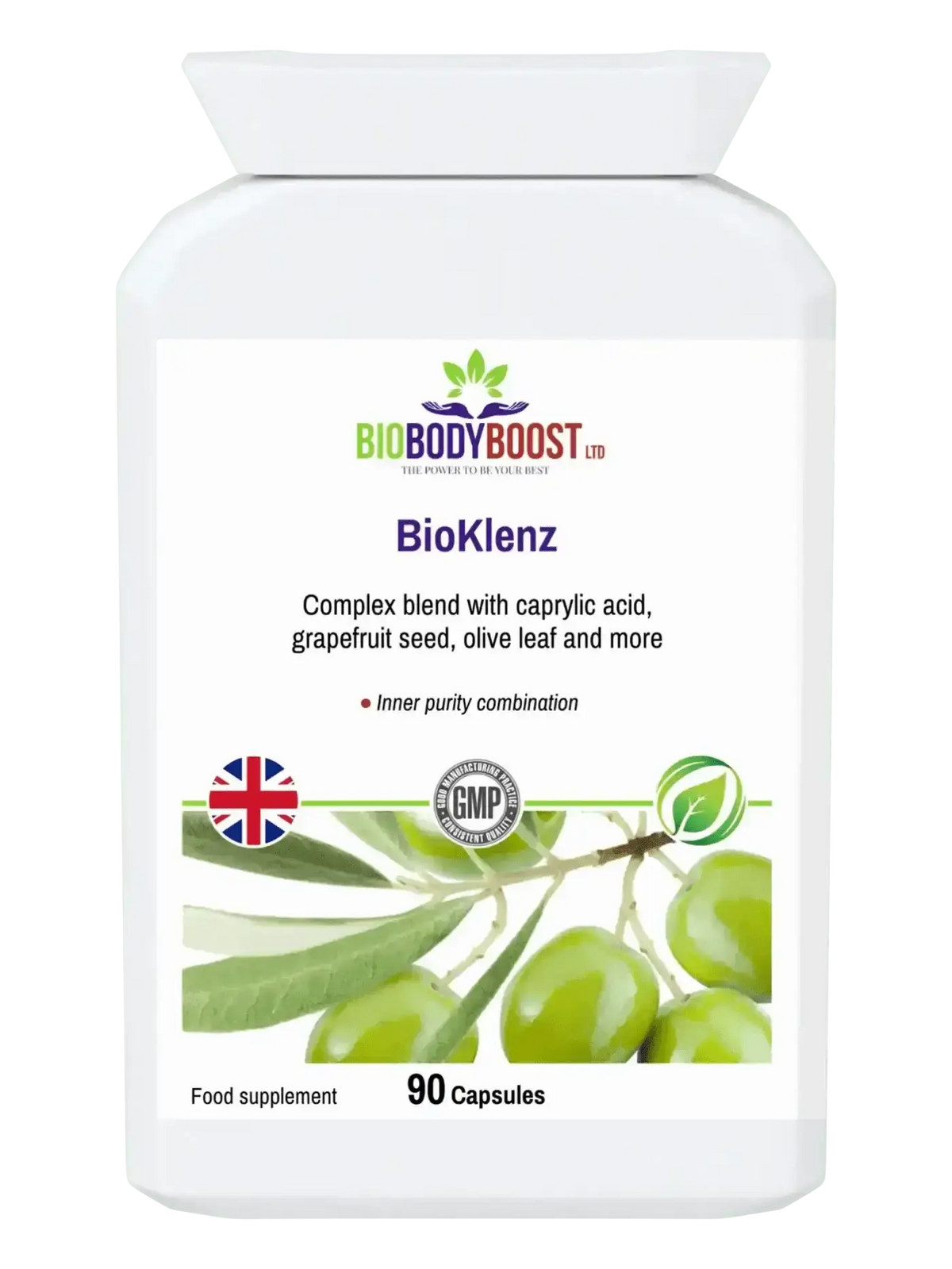
Chicory root — dandelion's closest supplement relative. Same plant family, same coffee-substitute history, and the bitter root with the best modern nutritional story: it's the classic source of inulin, a prebiotic fibre feeding beneficial gut bacteria. Chicory root is in BioKlenz at a declared 120mg alongside fourteen other traditional botanicals — every dose published, no proprietary blend.
Artichoke leaf — the bitter with human trials. Cynara scolymus is the family member that graduated: human studies support artichoke extract for digestive comfort after meals and healthy bile flow. It leads our dedicated liver formula, BioHep — where the authorised claim is carried honestly by choline, which contributes to normal liver function — the one "liver claim" UK law actually permits.
Milk thistle — the famous cousin. The most-researched liver botanical of all; our full evidence review: Milk Thistle UK.
Gentian, wormwood, angelica — the old apothecary bitters, surviving mostly in digestif liqueurs and traditional drops; little modern trial data.
How to Actually Use the Bitter Tradition
- For everyday digestion: bitter foods first — rocket, chicory, radicchio, grapefruit — the tradition was dietary before it was supplemental
- For a structured herbal course: a declared-dose multi-botanical like BioKlenz (with BioHep as the liver-focused companion), used in defined periods rather than forever — and with realistic expectations set by our honest gut-cleanse guide
- What your liver doesn't need: rescuing by any herb if it's healthy — it detoxifies you, not the reverse. Alcohol reduction, weight management and coffee (genuinely, per the epidemiology) do more for liver health than any capsule
- Yellow eyes, dark urine, persistent right-side pain? GP, today — not herbs
FAQs
Is dandelion root good for the liver?
Traditionally it's a premier liver bitter; scientifically the human evidence is thin and no claims are authorised. Artichoke has better trial data within the same family, and choline is the nutrient with the authorised normal-liver-function claim.
Dandelion root or milk thistle?
Milk thistle has far more research behind it for liver contexts; dandelion is the broader traditional digestive bitter. Many traditional formulas simply used both.
Is dandelion safe to take daily?
Generally well tolerated as a food-level herb, with the cautions above (ragweed allergy, diuretics, lithium, gallstones). Herbal courses are traditionally taken in defined periods with breaks.
Why is everyone suddenly talking about bitters?
Gut health went mainstream, and the bitter-herb tradition is the oldest gut-health system Europe has — TikTok rediscovered it, search data confirmed it, and supplement shelves are now catching up.
Browse the full Gut Health UK collection.
Food supplements should not replace a varied diet. Consult your GP before using bitter herbs if you have gallstones or bile-duct conditions, take diuretics or lithium, are pregnant or breastfeeding, or have an Asteraceae (ragweed/daisy) allergy.