Biotin supplements will only improve hair growth if you have a biotin deficiency — which is uncommon in healthy UK adults eating a varied diet. The overwhelming majority of people buying biotin for hair loss are not biotin deficient and will not see meaningful hair improvement from biotin supplementation alone. This is one of the most significant gaps between supplement marketing and clinical evidence in the entire industry.
What Is Biotin and What Does It Do?
Biotin (vitamin B7) is a water-soluble B vitamin essential for the metabolism of carbohydrates, fats and proteins. It is a required cofactor for carboxylase enzymes involved in fatty acid synthesis, amino acid metabolism and gluconeogenesis. Biotin is also involved in keratin production — the structural protein of hair, skin and nails. This keratin connection is where the hair growth claims originate.
Does Biotin Deficiency Cause Hair Loss?
Yes — biotin deficiency causes hair thinning, brittle nails and a scaly rash around the eyes, nose and mouth. This is well established. The problem with this fact is how it is used in supplement marketing: because deficiency causes hair loss, the implication is that supplementation will reverse or prevent hair loss in people who are not deficient. This logic does not follow. Supplementing a nutrient you are not deficient in does not produce the benefits that correcting deficiency produces.
How Common Is Biotin Deficiency in the UK?
True biotin deficiency is uncommon in the general UK population. Biotin is found in eggs (especially egg yolk), liver, salmon, seeds, nuts and some vegetables. It is also synthesised in small amounts by gut bacteria. The body requires very small amounts — the UK NRV is just 50mcg per day. Most people consuming a varied diet with occasional eggs, nuts or meat obtain adequate biotin without supplementation.
Groups at genuine risk of biotin deficiency include: people who regularly consume large amounts of raw egg whites (raw egg white contains avidin, which binds biotin and prevents its absorption — a historical cause of biotin deficiency called “egg white injury”), people on long-term anticonvulsant medication (certain drugs deplete biotin), people with biotinidase deficiency (a rare genetic condition), and people with severely restricted diets or malabsorption conditions.
If Biotin Doesn't Cause My Hair Loss, What Does?
The most common causes of hair loss and thinning in UK adults — particularly women — are:
- Iron deficiency — the most commonly overlooked cause of hair loss in premenopausal women. Hair follicles are among the most metabolically active cells in the body and are disproportionately affected by iron stores falling below optimal levels. Test ferritin, not just haemoglobin.
- Androgenetic alopecia (pattern baldness) — genetic, driven by DHT. No supplement corrects this, though some (saw palmetto) may slow progression.
- Thyroid dysfunction — both hypothyroidism and hyperthyroidism cause diffuse hair thinning. Should be diagnosed and treated medically.
- Telogen effluvium — stress-related hair shedding that occurs 2–4 months after a significant stressor (illness, surgery, emotional trauma, pregnancy). Self-limiting but magnesium, zinc and protein adequacy support recovery.
- Protein deficiency — hair is made of keratin (protein). Very low protein intake directly reduces hair quality. Relevant for people on restrictive low-calorie diets.
- Zinc deficiency — zinc is required for DNA synthesis in rapidly dividing hair follicle cells. Deficiency produces diffuse hair shedding.
- Vitamin D deficiency — vitamin D receptors in hair follicles play a role in the hair growth cycle. Some research links low vitamin D to alopecia areata and telogen effluvium.
What Does the Clinical Evidence Show for Biotin and Hair?
A 2017 systematic review in Skin Appendage Disorders examined all published clinical evidence for biotin and hair or nail changes. The finding: all cases reporting improvement had an underlying pathology causing biotin deficiency or biotin-dependent enzyme impairment. There was no clinical evidence that biotin supplementation improves hair outcomes in people without underlying deficiency. The review concluded that routine biotin supplementation for hair loss in the general population is not evidence-based.
High-Dose Biotin: Does More Help?
Many hair supplements contain 5,000–10,000mcg of biotin — 100–200x the NRV. There is no evidence that doses above the NRV produce additional hair benefits. The body excretes excess biotin efficiently (water-soluble). There is, however, a documented concern: high-dose biotin supplementation interferes with certain thyroid and cardiac blood tests (including troponin, TSH and free T4/T3), producing falsely abnormal results. If you are taking high-dose biotin, inform your GP before any blood testing.
What Supplements Actually Have Evidence for Hair Health?
| Supplement | Evidence for hair | Who benefits |
|---|---|---|
| Iron (bisglycinate) | Strong — if ferritin is low | Women with heavy periods; vegans; diagnosed low ferritin |
| Marine collagen peptides | Moderate — supports hair shaft thickness and follicle health | Anyone with collagen decline; adults over 30 |
| Zinc | Good — in people with zinc deficiency | Vegans; people with restrictive diets; digestive conditions |
| Vitamin D3 | Moderate — links to alopecia areata and follicle cycling | Deficient adults (very common in UK) |
| Biotin | Only if genuinely deficient | People consuming raw egg whites; specific medical conditions |
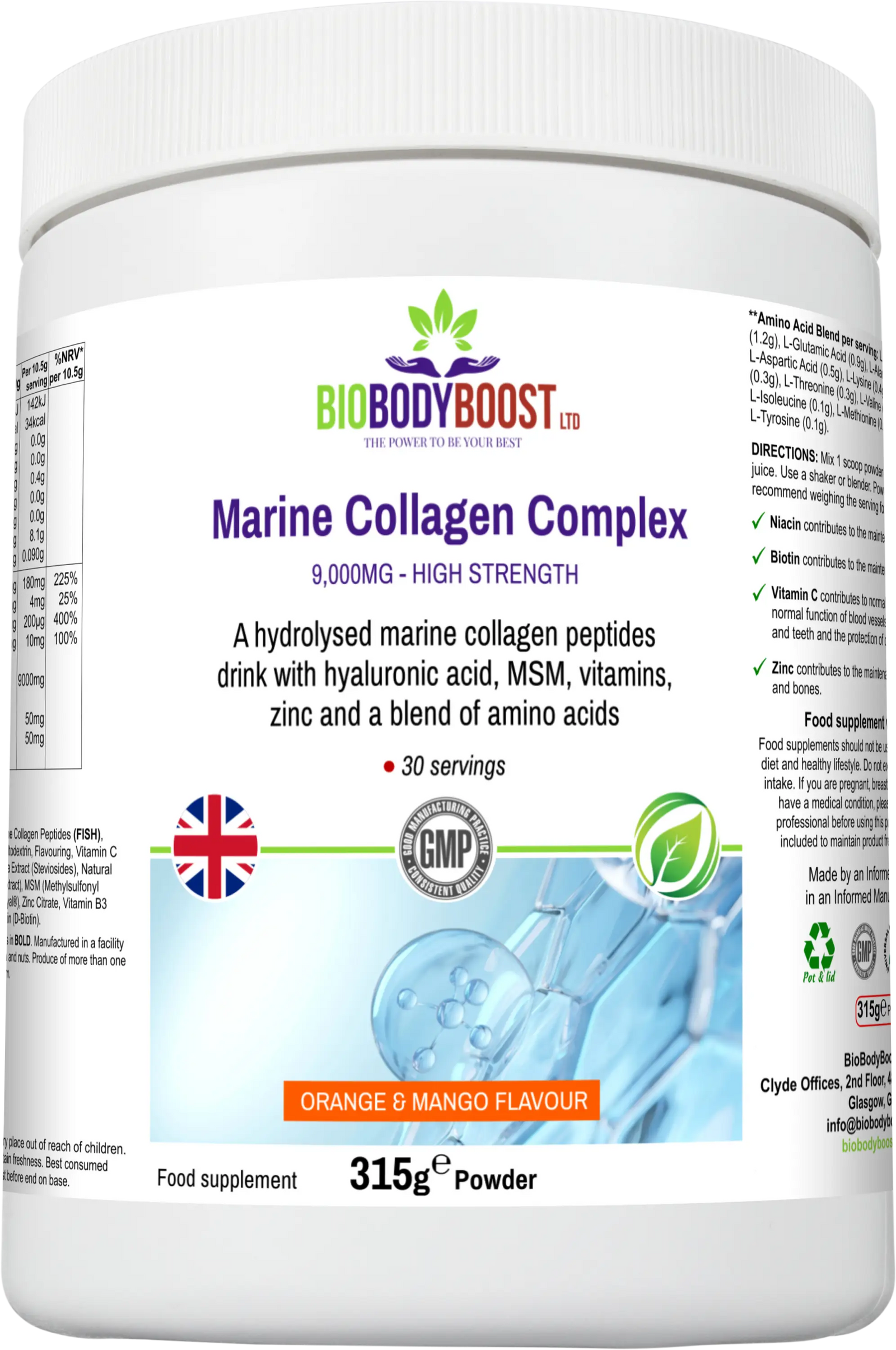
Marine Collagen Nourish by BioBodyBoost combines 9g hydrolysed marine collagen with biotin, vitamin C and hyaluronic acid — addressing the collagen and keratin substrate for hair health together. Halal certified, vegan capsule. Lipovita D3+K2 and Magnesium 3 Complex (which contains zinc) address the two most commonly overlooked nutrient gaps behind hair loss. All halal certified, UK GMP manufactured. Browse the beauty supplements range.