Quick answer: berberine and metformin share a primary mechanism — both activate AMPK (AMP-activated protein kinase), the enzyme that regulates cellular energy metabolism and improves insulin sensitivity. A 2008 RCT directly comparing them in newly diagnosed type 2 diabetes patients found equivalent HbA1c and fasting glucose reductions over 3 months. However, berberine is not a licensed medicine, has significant drug interactions, and is not a replacement for metformin in people who have been prescribed it. For pre-diabetic blood glucose management alongside lifestyle changes, berberine has meaningful evidence. But the honest picture is more nuanced than social media suggests.
How both work — the shared AMPK mechanism
AMPK (AMP-activated protein kinase) is the cell’s master energy sensor — activated when cellular energy (ATP) is low. AMPK activation improves glucose uptake (via GLUT4 translocation), reduces hepatic glucose output, reduces fat synthesis and improves insulin sensitivity. Both metformin and berberine activate AMPK, which is why they produce similar metabolic effects. However, they activate it via different upstream mechanisms — metformin via mitochondrial Complex I inhibition, berberine via a different pathway — which means they have different side effect profiles and drug interaction risks.
The Yin 2008 trial — what it actually showed
Yin et al. (2008, Metabolism, RCT, n=97 newly diagnosed T2D patients) randomised patients to berberine 500mg three times daily vs metformin 500mg three times daily for 3 months. Both groups showed equivalent HbA1c reduction (berberine: -2.0%, metformin: -1.8%), equivalent fasting glucose reduction, and equivalent 2-hour postprandial glucose reduction. Berberine additionally reduced triglycerides more significantly than metformin.
Critical context that social media omits:
- This was in newly diagnosed, treatment-naive T2D patients — not pre-diabetics, not healthy people wanting to “optimise blood sugar”
- The trial was conducted in China with a specific patient population
- It was a single trial — not a systematic review of multiple trials
- Metformin has 60+ years of safety data; berberine has limited long-term safety data
- The trial did not assess cardiovascular outcomes — metformin’s cardiovascular benefit (UKPDS trial, 34% reduction in MI risk) has no equivalent berberine evidence
Berberine drug interactions — the safety concern
Berberine is a potent inhibitor of CYP3A4 and P-glycoprotein. This means it significantly affects the metabolism and plasma levels of many medications:
- Diabetes medications (metformin, insulin, sulfonylureas): combining berberine with diabetes medication can cause additive blood glucose lowering — risk of hypoglycaemia
- Anticoagulants (warfarin): berberine potentiates warfarin, increasing bleeding risk
- Cyclosporine (transplant immunosuppressants): berberine significantly increases cyclosporine levels
- Some antibiotics (macrolides, fluoroquinolones): interaction via CYP inhibition
- Cardiovascular medications: beta-blockers, some statins
Always discuss berberine with your GP before starting if you take any medication. Do not self-prescribe berberine as an alternative to prescribed metformin.
Who berberine is actually appropriate for
Berberine has the most appropriate evidence for: pre-diabetic adults with elevated fasting glucose (5.6–6.9mmol/L) or HbA1c (42–47mmol/mol) who want nutritional blood glucose support alongside lifestyle changes, with GP awareness. Not on diabetes medication. Not on anticoagulants. Not on immunosuppressants. With GP monitoring of blood glucose.
The halal-certified blood glucose stack from BBB
BioBodyBoost does not stock berberine. The BBB range addresses blood glucose via EFSA-authorised mechanisms:
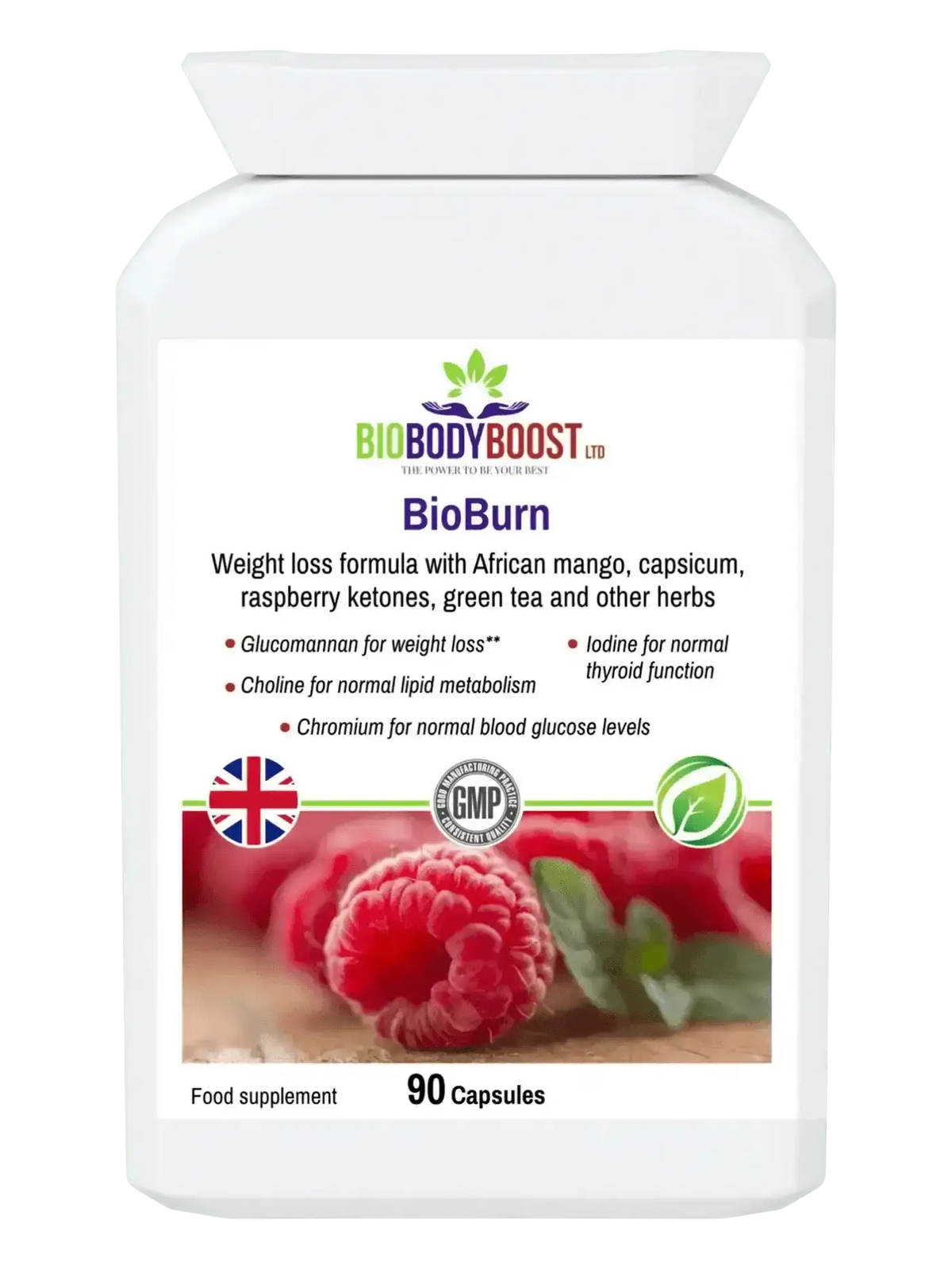
- BioBurn (glucomannan) — EFSA-authorised: slows glucose absorption, blunts post-meal spikes. Sood 2008 meta-analysis (14 RCTs). Halal certified.
- BodyLean Garcinia (chromium 250% NRV) — EFSA-authorised: insulin receptor sensitisation. Halal certified.
- Magnesium 3 Complex — insulin receptor tyrosine kinase cofactor. Rodríguez-Morán 2003 Diabetes Care RCT. Halal certified.
See the full type 2 diabetes prevention halal supplement guide.
Is berberine as effective as metformin?
In the Yin 2008 RCT (n=97, newly diagnosed T2D), berberine at 500mg three times daily produced equivalent HbA1c and fasting glucose reductions to metformin 500mg three times daily over 3 months. This finding is genuine but contextually important: the trial was in newly diagnosed T2D patients on no other medication, was conducted in China, was a single trial (not a systematic review), and metformin has 60+ years of safety data and proven cardiovascular benefits (UKPDS) that berberine does not. Berberine is not a replacement for prescribed metformin. For pre-diabetic blood glucose support, berberine has meaningful but not definitive evidence — always with GP knowledge and blood glucose monitoring.
Is berberine safe UK?
Berberine has significant drug interactions via CYP3A4 and P-glycoprotein inhibition. It is contraindicated alongside diabetes medications (hypoglycaemia risk), warfarin (bleeding risk), cyclosporine (toxicity risk) and several other drug classes. Long-term safety data is limited compared to metformin’s 60-year record. For healthy adults not on medication, berberine at 500mg three times daily has an acceptable short-term safety profile in clinical trials. Always check interactions with your GP or pharmacist before starting.
What is the halal alternative to berberine UK?
For blood glucose support via halal-certified, EFSA-validated mechanisms: (1) glucomannan (BioBurn) — EFSA-authorised blood glucose maintenance via slowed glucose absorption; (2) chromium at 250% NRV (BodyLean Garcinia) — EFSA-authorised blood glucose maintenance via insulin receptor sensitisation; (3) magnesium glycinate (Magnesium 3 Complex) — insulin receptor tyrosine kinase cofactor, correction of the near-universal magnesium deficiency that compounds insulin resistance. These three cover the primary nutritional blood glucose support mechanisms available with halal certification and EFSA backing.