You can eat well, train regularly, sleep a sensible number of hours and still hit the same frustrating issues - flat energy, sluggish digestion, slower recovery or feeling like your immune system buckles the minute life gets busy. That is usually when people start asking: are plant based supplements effective? The honest answer is yes, they can be highly effective, but only when the formula, dose, form and your actual health goal all line up.
That matters because “plant-based” on its own does not guarantee better results. It tells you something useful about sourcing and dietary fit, especially if you want vegan-friendly, clean-label support. It does not automatically tell you whether a supplement is potent enough, well absorbed, properly tested or suited to your needs.
Are plant based supplements effective for everyday health goals?
Often, yes. For many common wellness goals, plant-based supplements can support noticeable improvements in daily performance, gut balance, recovery, immune resilience and long-term health. The key is matching the right ingredient to the right outcome instead of assuming every natural formula works in the same way.
If your goal is digestive comfort, for example, a thoughtfully designed plant-based probiotic or fibre-rich gut support blend may help reduce bloating and support regularity. If your focus is joint mobility, certain botanical ingredients with a good evidence base may help support comfort and movement over time. If you are trying to improve workout recovery, plant-derived protein, antioxidant-rich superfoods and minerals can all play a useful role.
Where people get disappointed is when expectations outrun the product. A low-dose greens powder will not correct a major nutrient deficiency on its own. A herbal blend taken inconsistently will not suddenly fix chronic stress or poor sleep. Supplements work best as targeted support, not as a replacement for food, movement and routine.
What actually makes a plant-based supplement work?
Effectiveness comes down to a few practical factors.
The first is ingredient quality. A plant-based supplement is only as good as the raw materials inside it. Standardised extracts, clearly listed active compounds and third-party testing all matter because they tell you the formula is built for results rather than label appeal.
The second is dosage. This is where marketing can get noisy. Plenty of supplements include trendy ingredients at amounts too small to make a meaningful difference. A formula can sound impressive and still be underpowered. Research-backed dosing is one of the clearest signs that a supplement has been designed with efficacy in mind.
The third is bioavailability, which is just a practical way of asking how much your body can actually use. Some nutrients from plant sources are absorbed very well. Others need careful formulation. Minerals, botanical actives and omega oils can vary widely here. If a supplement is hard to absorb, the ingredient list can look excellent while the real-world effect feels minimal.
The fourth is consistency. Most supplements are not one-dose wonders. Immune support, gut balance, skin health, hormone support and joint comfort usually need steady daily use before results become obvious. That does not mean waiting endlessly. It means giving a good formula enough time to do its job.
Where plant-based supplements tend to perform well
Plant-based supplementation is especially strong in areas where botanicals, fibres, phytonutrients and naturally derived compounds have a long track record.
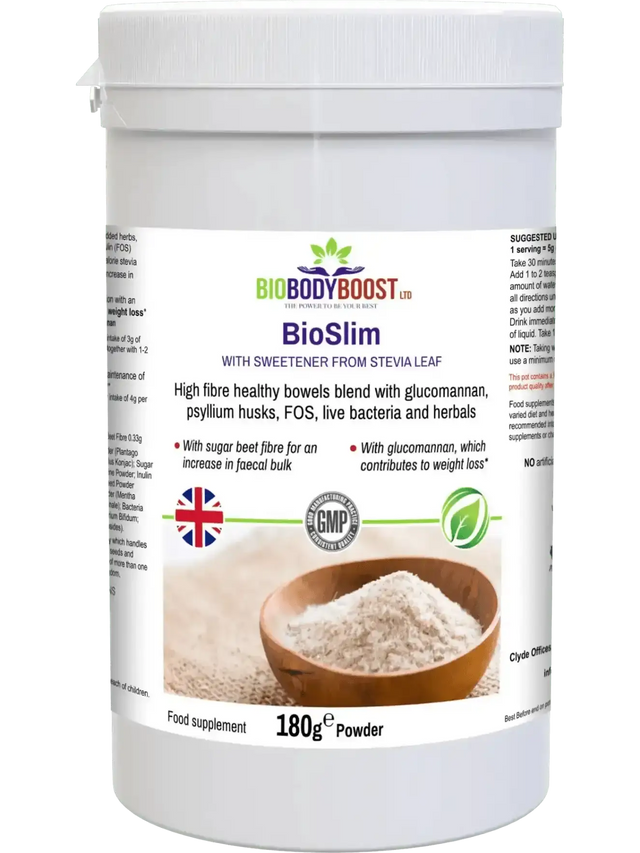
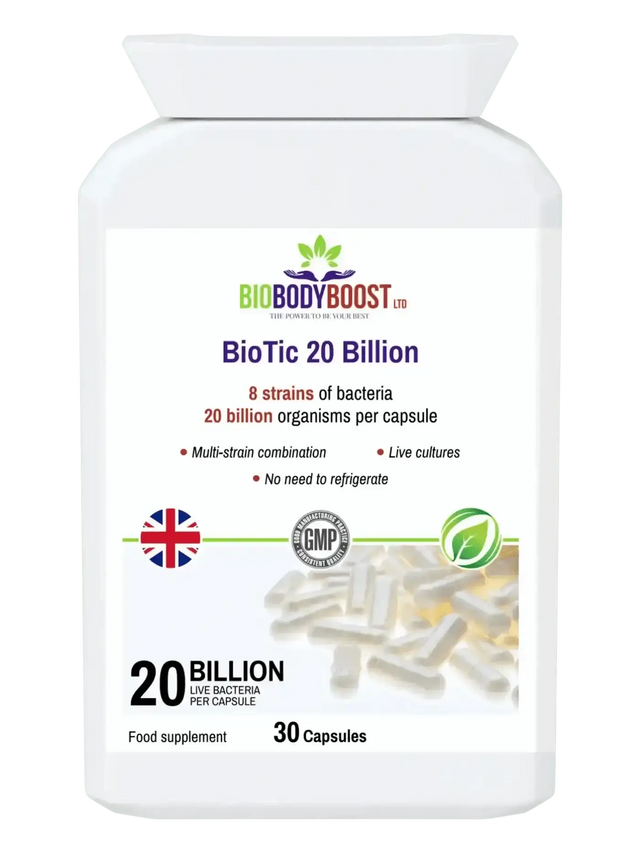
Digestive health is one of the best examples. Plant fibres, digestive botanicals and probiotic-supporting ingredients can help maintain regularity, microbial balance and less post-meal discomfort. For people who feel heavy or bloated after eating, this is often one of the first areas where they notice a practical benefit.
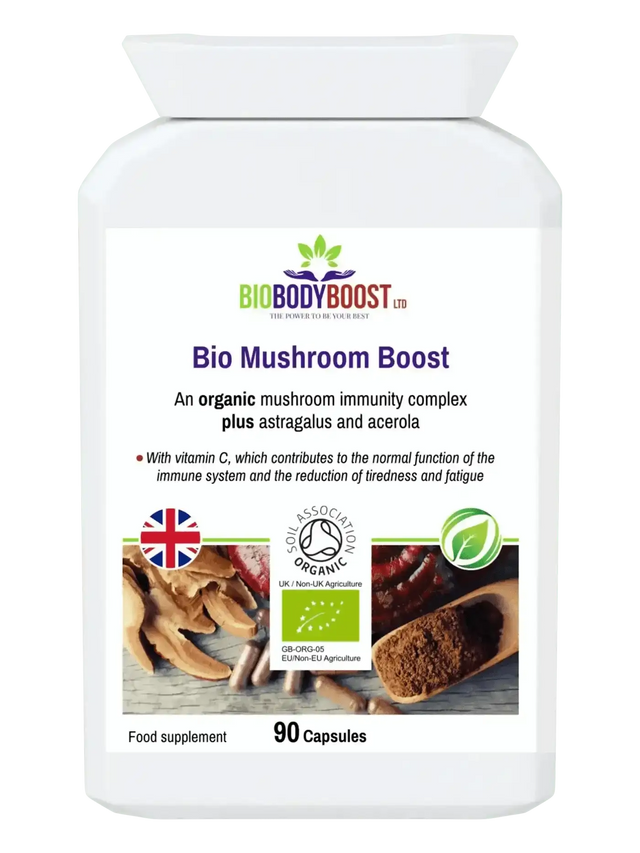
Antioxidant support is another. Many superfoods and greens blends provide concentrated plant compounds that help tackle oxidative stress. That can be useful if you train hard, juggle long workdays or simply want extra support for recovery and long-term cellular health.
Plant-based protein has also improved massively. Older formulas were often chalky, thin on amino acids or rough on digestion. Better blends now combine multiple plant sources to create a stronger amino acid profile and a smoother recovery experience, often without the gut disruption some people get from dairy-based products.
Botanical support for stress, focus and daily balance is another area worth attention. Adaptogenic herbs and calming plant compounds can be useful for stress resilience and emotional clarity, although effects vary from person to person and usually build over time rather than hitting all at once.
Where results depend more on the nutrient form
This is where nuance matters. Some nutrients can absolutely be delivered effectively in plant-based or vegan-friendly supplements, but the form matters more than the label.
Vitamin B12 is a good example. It is essential, especially for anyone following a vegan or mostly plant-based diet, and supplementation can be very effective. What matters is whether the product provides a reliable, usable form at an appropriate dose.
Iron is another area where individual needs vary. A plant-based iron supplement may work very well for one person and feel poorly tolerated by another. The form, dose and whether it is paired with supportive nutrients all affect both absorption and comfort.
Omega support needs a similar reality check. Plant-based omega products can be useful, especially when sourced and processed well, but not all options deliver the same balance of active fats. If omega support is a priority, it is worth looking beyond the front-of-pack claim and focusing on the actual fatty acid content.
Protein is similar. A plant-based protein can be effective for muscle maintenance and recovery, but the total protein, amino acid profile and digestibility all count. “Plant-based” does not automatically mean complete or performance-focused.
Are plant based supplements effective compared with non-plant options?
Sometimes they are equally effective. Sometimes they are better tolerated. Sometimes they are simply a better fit for your values and lifestyle. And in some cases, a non-plant option may still have an edge depending on the nutrient and formulation.
That is not a weakness. It is just how supplementation works. The goal is not to force every health need into one category. The goal is to find clean, effective support that suits your body and routine.
For many people, plant-based supplements make sticking to a routine easier. They align with vegan, dairy-free, halal-friendly or lighter-digestion preferences. They often sit better with those who want cleaner labels and fewer unnecessary fillers. If a supplement fits your life, you are more likely to take it consistently, and consistency drives results.
How to choose a plant-based supplement that is more likely to work
Start with your goal, not the trend. Do you want better digestion, steadier energy, improved recovery, immune support or help with joint comfort? A targeted choice usually beats a random “wellness” product that promises everything at once.
Next, check whether the formula tells you enough. You want clear ingredient amounts, not vague proprietary blends that hide weak dosing. You also want proof cues that mean something - research-backed ingredients, clinically-researched actives and third-party testing all add confidence.
Then think about practicality. Powders, capsules, gummies and liquids all have their place, but the best format is the one you will actually use every day. A brilliant supplement taken twice and forgotten at the back of the cupboard will not do much for your energy or gut balance.
It is also worth paying attention to your own response. Good supplementation should feel supportive, not dramatic or disruptive. Depending on the category, signs of a good match might include feeling lighter after meals, fewer energy dips, steadier recovery or less day-to-day stiffness. Results do not always arrive overnight, but they should feel grounded in real life.
Red flags to watch for
Be cautious with products that rely on vague miracle language. If the claims sound bigger than the ingredient list, trust your instincts. Plant-based supplements can be powerful, but they are still supplements, not magic.
Another red flag is a formula packed with dozens of ingredients at tiny doses. More is not always more. In fact, overloaded formulas often make it harder to work out what is actually delivering value.
Finally, be wary of treating supplements as a fix for everything. If you are constantly exhausted, have ongoing digestive issues or suspect a deficiency, it is sensible to get proper medical advice. The smartest wellness routine pairs good products with real awareness of your health.
The real answer on effectiveness
So, are plant based supplements effective? Yes - when they are well formulated, properly dosed and chosen with a clear outcome in mind. They can support better digestion, cleaner energy, workout recovery, immune resilience and everyday balance without forcing you into a routine that clashes with your diet or values.
At BioBodyBoost, that is the standard worth aiming for: plant-based support that is research-backed, easy to use and built for genuine daily results. Choose with intention, stay consistent, and let your routine do the heavy lifting over time.