Zinc is an essential trace mineral involved in over 300 enzymatic reactions and required for the normal function of more than 1,000 transcription factors. The EU authorises the claim that zinc contributes to normal immune function, normal fertility and reproduction, normal cognitive function, and the maintenance of normal hair, skin and nails. Despite its critical importance, UK dietary surveys consistently show inadequate zinc intake — particularly in women, vegans and older adults.
What Does Zinc Do in the Body?
Zinc’s biological roles are extensive. The most clinically relevant include:
- Immune function — zinc is required for the development and activation of T lymphocytes, natural killer cells and neutrophils. Zinc deficiency impairs virtually every arm of the immune response. This is the most well-evidenced role.
- DNA synthesis and cell division — zinc is a cofactor in DNA polymerase enzymes. Rapidly dividing cells (immune cells, gut lining, hair follicles) are most sensitive to zinc deficiency.
- Wound healing — zinc regulates collagen synthesis, inflammatory response and re-epithelialisation during wound repair. Surgical patients and those with chronic wounds are routinely assessed for zinc status.
- Testosterone production — zinc is required for testosterone synthesis. Deficiency reduces testosterone levels in men; supplementation raises them in deficient men (but not in men with normal zinc status).
- Taste and smell — taste and smell receptors require zinc metalloenzymes. Taste/smell disturbance was a recognised COVID-19 symptom partly because SARS-CoV-2 affects zinc-dependent sensory pathways.
- Connective tissue maintenance — zinc is required for collagen cross-linking, making it relevant for joint, skin and bone health.
What Are the Symptoms of Zinc Deficiency?
- Frequent infections — recurring colds, slow recovery from illness
- Poor wound healing — cuts and skin injuries that take longer than expected to heal
- Hair thinning or diffuse hair loss
- Acne and skin problems — zinc regulates sebum production and has anti-inflammatory effects on skin
- Reduced taste and smell sensitivity
- White spots on fingernails (leukonychia) — a classic sign of zinc deficiency
- Delayed growth in children
- Reduced fertility
Who Is Most at Risk of Zinc Deficiency in the UK?
- Vegans — the primary dietary sources of zinc are meat, shellfish (oysters are extremely zinc-rich), and dairy. Plant sources contain zinc but also phytates, which bind zinc and reduce absorption by up to 50%. Vegans require approximately 50% more dietary zinc than omnivores to achieve the same absorbed dose.
- Older adults — both absorption efficiency and dietary intake decline with age. Zinc deficiency is associated with the immune decline and poor wound healing common in older populations.
- People with digestive conditions — Crohn's disease, celiac disease and chronic diarrhoea impair zinc absorption
- People taking long-term diuretics or ACE inhibitors — some medications increase urinary zinc excretion
- Pregnant and breastfeeding women — requirements increase significantly
What Is the Best Form of Zinc Supplement?
Zinc is available in multiple supplemental forms with different bioavailability:
| Form | Bioavailability | Notes |
|---|---|---|
| Zinc glycinate | High (~61%) | Chelated amino acid form; minimal GI side effects; preferred |
| Zinc picolinate | High (~50%) | Well absorbed; chelated with picolinic acid |
| Zinc citrate | Good (~40–50%) | Well tolerated; common in supplements |
| Zinc gluconate | Moderate (~30%) | Common in lozenges; adequate for immune use |
| Zinc oxide | Low (~15–20%) | Used in cheap supplements and sunscreen; poor absorption |
| Zinc sulphate | Moderate (~30%) | Inexpensive; higher GI side effects at higher doses |
How Much Zinc Do You Need?
UK NRV for zinc: 10mg per day for adults (higher for pregnant/breastfeeding women). Upper safe level: 25mg per day. Important: chronic zinc supplementation above 40mg daily depletes copper, as zinc and copper compete for the same intestinal transporters. At standard supplemental doses (8–15mg), this is not a concern. High-dose zinc supplementation (above 25mg) should not be maintained long-term without concurrent copper intake.
Zinc and Vitamin C Together for Immunity
The combination of zinc and vitamin C addresses complementary aspects of immune function — zinc supports immune cell development and activation; vitamin C supports immune cell antioxidant capacity and collagen formation in barrier tissues. Multiple winter immune supplements combine both for this reason.
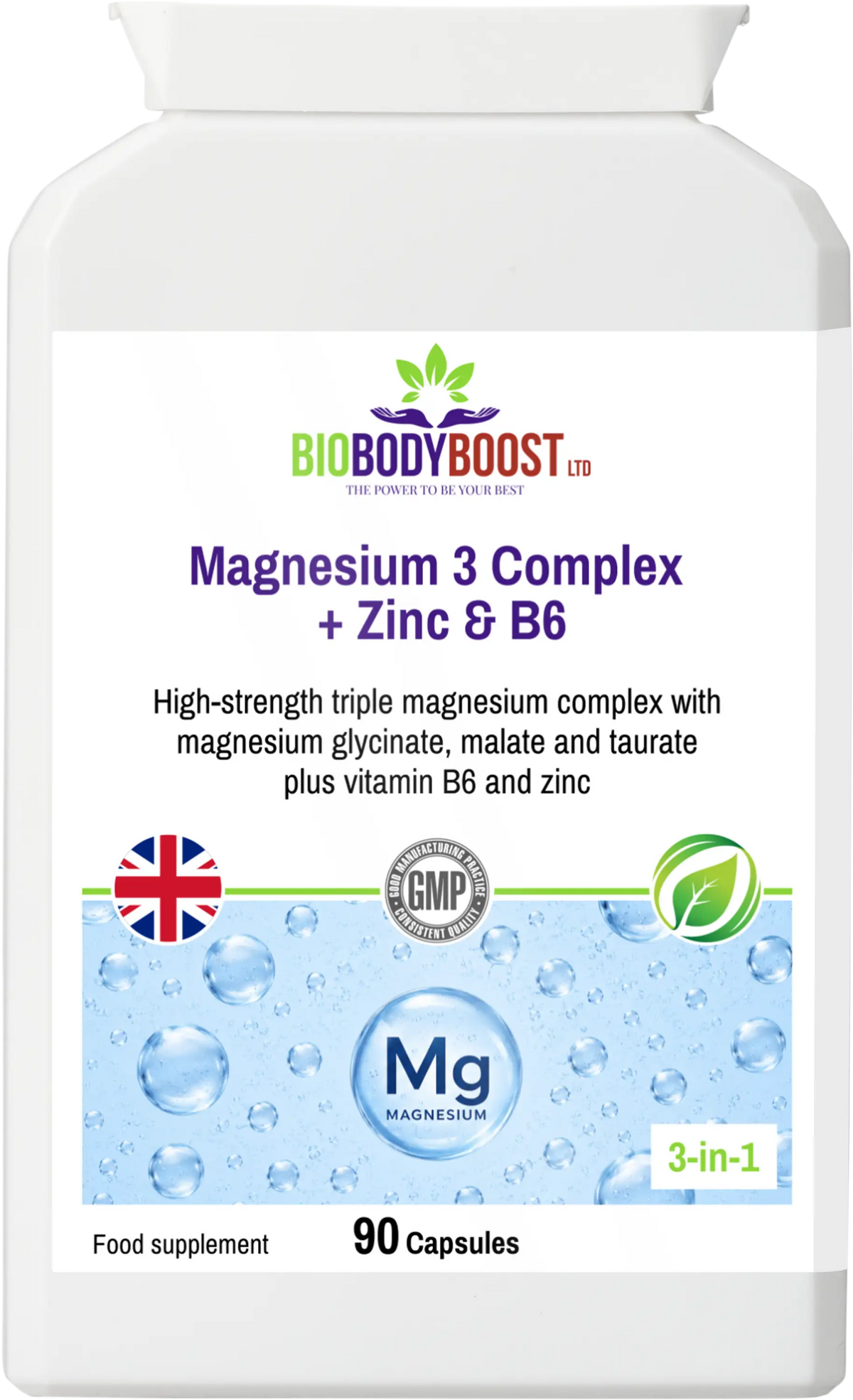
Zinc is included at effective doses in Magnesium 3 Complex (alongside B6, which facilitates zinc cellular uptake), ImmuneBoost and Daily Multi Complex. All halal certified, vegan, UK GMP manufactured. Browse the immune health range.