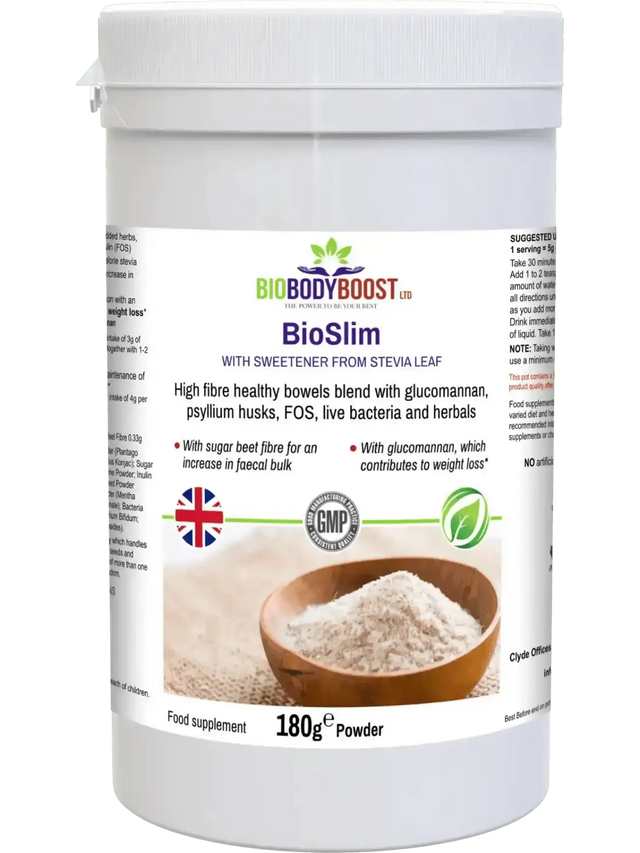

A sluggish gut can throw off more than your comfort. It can mean bloating after lunch, that heavy feeling by late afternoon, and the constant sense that your routine is just not working properly. If you are wondering what supplements help regular digestion, the short answer is that a few options stand out - but the right one depends on whether your issue is slow transit, imbalance in the gut, low fibre intake, or meals that simply do not sit well.
What supplements help regular digestion in real life?
The most useful supplements for regular digestion tend to fall into a few clear categories: fibre, probiotics, digestive enzymes, magnesium, and certain herbal or botanical ingredients. Each works differently, so choosing well matters more than taking more.
For many people, the first place to look is fibre. If your daily meals are low in fruit, vegetables, pulses, seeds, or wholegrains, digestion often becomes less predictable. A fibre supplement can help add bulk to stools, support smoother bowel movements, and feed beneficial gut bacteria. Psyllium husk is one of the best-known options because it is generally well tolerated and works gently when taken with enough water. That said, more fibre is not always better overnight. Increase too fast and you may end up with more gas and bloating before things improve.
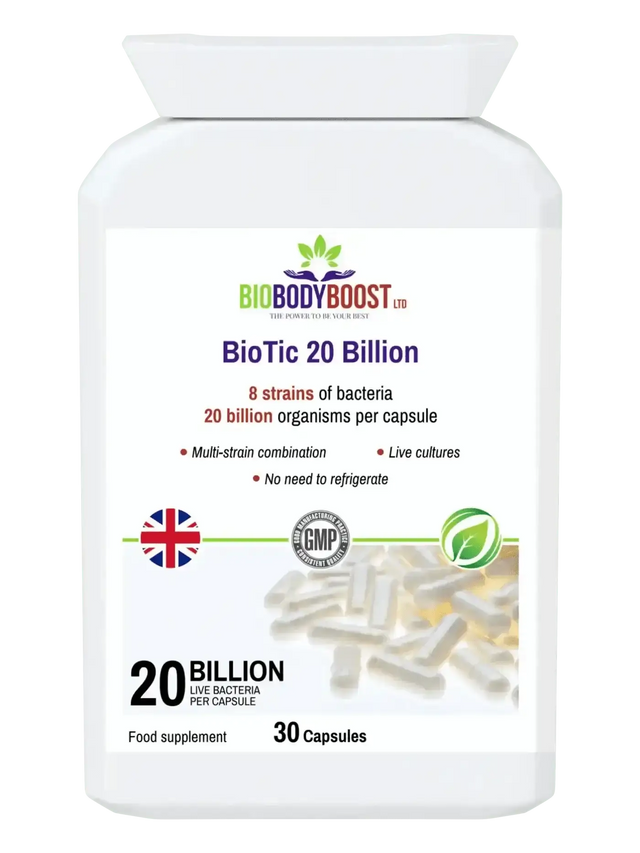
Probiotics are another common choice, especially if digestion feels irregular after stress, travel, antibiotics, or a run of processed meals. These supplements add live bacteria that may help support gut balance and daily digestive rhythm. The key detail is strain specificity. Not all probiotics do the same thing, and a product with clearly identified strains and sensible dosing is usually a better bet than one making vague promises. Some people notice less bloating and more regular bowel habits within a few weeks, while others need longer or may respond better to food-first changes.
Digestive enzymes are slightly different. They are more useful when the problem is discomfort after eating rather than general constipation or irregularity. If meals leave you feeling overly full, gassy, or uncomfortable, an enzyme blend may help your body break down food more efficiently. These are often taken just before or with meals. They can be particularly useful when larger meals, richer foods, or specific ingredients seem to trigger symptoms.
The most effective options, and when they make sense
Fibre supplements for consistency
If your digestion is irregular in the most basic sense - infrequent bowel movements, hard stools, or a stop-start pattern - fibre is often the most practical place to begin. Soluble fibre absorbs water and helps create softer, easier-to-pass stools. It also supports beneficial bacteria in the gut, which matters for long-term digestive balance rather than quick fixes.
Psyllium is usually the standout here because it supports regularity without being overly harsh. Inulin and other prebiotic fibres can also help, but they can trigger more bloating in sensitive people, especially at the start. If your stomach is easily irritated, slower and gentler is often the better route.
Probiotics for gut balance
When digestion has become unpredictable rather than simply slow, probiotics may be the better fit. They are often used for bloating, irregular bowel habits, and that general feeling of being "off" after stress, illness, or dietary disruption. A good probiotic should be clearly labelled, research-backed, and stored appropriately if needed.
There is a trade-off, though. Probiotics are not instant. Some people expect a dramatic overnight change and give up too soon. In reality, gut balance tends to improve gradually. It is also possible to feel a little more gassy at first, which usually settles as the gut adapts.
Magnesium for gentle support
Magnesium can help regular digestion, especially when sluggish bowels are part of the picture. Certain forms, such as magnesium citrate, may draw water into the bowel and support easier movement. This can be helpful for people whose digestion slows down during stressful periods or when routine, hydration, and sleep are not ideal.
But form matters. Magnesium glycinate is often chosen for calm and recovery, yet it is not typically the go-to for bowel regularity. Magnesium oxide can be more likely to loosen stools, but it may also be harsher. This is where a clean, well-formulated supplement matters - enough support to help, without tipping into discomfort.
Digestive enzymes for meals that sit heavily
Enzymes are not usually the first answer for chronic irregularity, but they can be a smart add-on if digestion feels strained after eating. These blends may include enzymes that help break down protein, fats, carbohydrates, lactose, or plant fibres. If symptoms mainly appear after meals rather than throughout the day, that distinction is worth paying attention to.
For example, if you feel bloated after a protein-heavy dinner or uncomfortable after richer weekend meals, enzymes may help reduce that burden. They are less about changing bowel rhythm directly and more about improving how comfortably food is processed.
Herbal support for bloating and digestive comfort
Peppermint, ginger, fennel, and artichoke are popular in digestive formulas for a reason. They can help soothe the digestive tract, reduce feelings of heaviness, and support motility in some people. These ingredients are especially useful when your digestion feels slow and bloated rather than simply constipated.
Herbal blends can be a strong choice for people who want a more natural-feeling daily upgrade, but quality still matters. Standardised extracts and transparent labels are far more useful than vague botanical marketing.
What to look for in a supplement
The best digestive support is not the one with the longest ingredient list. It is the one that matches your actual problem and fits easily into daily life. If you are choosing a supplement, look for evidence-backed ingredients, clear dosages, third-party testing, and formulas that avoid unnecessary fillers when possible.
Plant-based and clean-label matters to many people because digestion can be sensitive to more than the active ingredient itself. A well-made formula should feel like support, not another source of gut disruption. That is one reason many shoppers now prefer vegan-friendly, research-backed blends that are designed for regular use rather than occasional rescue.
When one supplement is not enough
Sometimes the answer to what supplements help regular digestion is not a single product, but a combination used intelligently. Fibre and probiotics are a common pairing because they work from different angles - one helps support stool consistency, the other helps support the gut environment. Enzymes may sit alongside them if meals are also causing discomfort.
Still, piling on products can backfire. If you start fibre, probiotics, magnesium, and herbs all at once, you will not know what is helping or what is causing extra bloating. A more effective approach is to start with the most likely fit, use it consistently for a few weeks, and build from there if needed.
The habits that make supplements work better
Even clinically-researched supplements have limits if the basics are working against you. Regular digestion depends heavily on hydration, movement, fibre intake from food, and a routine that gives your body time to function properly. If you skip breakfast, sit all day, eat quickly, and drink very little water, a supplement may help - but probably not as much as you want.
That does not mean you need a perfect lifestyle. It means supplements work best as practical support, not magic. A scoop of fibre with too little water can make things worse. A probiotic taken while your diet is full of ultra-processed foods may not deliver its best result. The strongest gains often come from small upgrades done consistently.
When to get advice first
If digestive changes are sudden, severe, painful, or ongoing, it is worth speaking to a GP or qualified healthcare professional before self-supplementing. The same applies if you have blood in stools, unexplained weight loss, persistent abdominal pain, or a diagnosed digestive condition. Supplements can support everyday gut balance and daily digestion, but they are not a substitute for medical assessment when something feels genuinely wrong.
If you are pregnant, breastfeeding, taking medication, or buying for a child, check suitability before starting anything new. Even natural ingredients can interact with medicines or be unsuitable at certain life stages.
So, what is the smartest place to start?
If your meals are low in fibre and bowel movements are inconsistent, start with a gentle fibre supplement and more water. If your digestion feels disrupted, bloated, or unsettled after stress or antibiotics, a well-formulated probiotic may make more sense. If food regularly sits heavily, look at digestive enzymes. And if sluggishness tends to come with tension, poor sleep, or irregular routine, magnesium may be a useful part of the picture.
At BioBodyBoost, that is the lens worth keeping - simple, research-backed support that fits real life and helps you feel lighter, more comfortable, and more consistent day to day. The best supplement for digestion is rarely the trendiest one. It is the one your body actually needs, used steadily enough to make a difference.
Give it a little time, choose with intention, and let your gut tell you what is working.