
A packed commute, broken sleep, hard training sessions and back-to-back deadlines can all leave your body feeling underpowered. The best supplements for immune resilience are not magic fixes for every winter sniffle, but they can help close common nutritional gaps and support the normal function of your immune system when used consistently.
The goal is resilience, not chasing a short-lived ‘boost’. A resilient immune system responds when it needs to, then settles back into balance. That depends on enough sleep, varied food, movement, stress management and targeted nutrition. Supplements work best as the practical daily upgrade that supports those foundations, particularly when your diet, lifestyle or the British winter makes certain nutrients harder to get.
Best supplements for immune resilience: the essentials
Vitamin D: the UK essential
Vitamin D is a sensible place to start. It contributes to the normal function of the immune system, and it is one of the nutrients many people in the UK struggle to get enough of through sunlight alone, especially from autumn through early spring.
Your skin can make vitamin D in strong sunshine, but desk days, covered skin, darker skin tones and the lower UVB levels of a British winter can all reduce production. Food sources are limited too, particularly for people following a plant-based diet. A vegan vitamin D3 made from lichen is a clean-label option for those avoiding animal-derived ingredients.
For most adults, a daily supplement containing 10 micrograms is widely recommended during autumn and winter. Some people may need different advice based on a confirmed deficiency, medical history, pregnancy, age or limited sun exposure. More is not automatically better: long-term high doses can be harmful, so avoid treating high-strength vitamin D as a casual add-on without professional guidance.
Vitamin C: useful when food intake is inconsistent
Vitamin C contributes to normal immune function and protects cells from oxidative stress. It also supports normal collagen formation and improves the absorption of iron from plant foods, making it useful for people whose meals are often rushed or repetitive.
A colourful diet can provide plenty of vitamin C through peppers, berries, kiwi fruit, citrus, broccoli and potatoes. But travel, demanding weeks and low fruit and vegetable intake can make a modest daily supplement a practical back-up. You do not need megadoses to gain benefit. Very large amounts can cause stomach discomfort or loose stools, which is the opposite of helpful when you are trying to feel your best.
Choose a straightforward formula and take it with food if you have a sensitive stomach. A buffered form may suit some people better, but the best choice is the one you can take comfortably and consistently.
Zinc: targeted support, not a permanent high-dose habit
Zinc contributes to normal immune function and helps protect cells from oxidative stress. It is involved in many processes across the body, including normal skin, fertility and metabolism. Yet zinc intake can be lower in diets with little seafood or meat, and plant sources contain compounds that can reduce absorption.
Beans, lentils, seeds, oats and wholegrains all contribute zinc, especially when meals are varied. A plant-based supplement can help fill the gap, but dose and duration matter. High-dose zinc taken for long periods may interfere with copper balance and can cause nausea, particularly on an empty stomach.
Look for a sensible daily dose rather than an aggressive formula. Take it with a meal, and do not stack multiple products that each contain zinc without checking the combined amount. If you use a multivitamin, an immune blend and a separate mineral supplement, this quick label check matters.
Probiotics: immune support starts in the gut
A large part of the body’s immune activity is connected to the gut. That does not mean every digestive symptom needs a probiotic, or that one strain suits everyone. It does mean that gut balance deserves a place in the conversation about immune resilience.
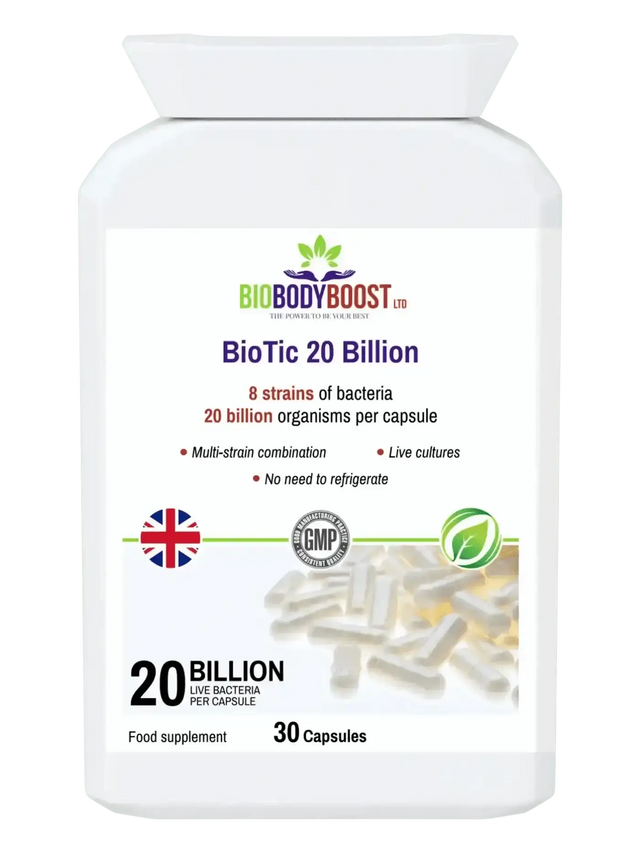
Research on probiotics is strain-specific. In other words, the benefit depends on the exact microorganism and amount used, not simply the word ‘probiotic’ on the front of a tub. A quality formula should clearly identify its strains, state the number of live cultures through the end of shelf life where possible, and explain how to store it.
For daily use, give a probiotic time. A few days is rarely enough to judge whether it suits you. Many people trial one formula for four to eight weeks while keeping the rest of their routine steady. If you notice persistent bloating, discomfort or a clear worsening of symptoms, stop and reassess. Those who are severely immunocompromised, seriously unwell or recovering from major surgery should seek clinical advice before taking live bacteria supplements.
Beta-glucans and medicinal mushrooms: a considered extra
Beta-glucans are naturally occurring fibres found in oats, yeast and certain mushrooms. They are popular in natural immune-support formulas because they interact with immune pathways, but quality varies widely between products.
This is where labels need more than a long list of impressive-sounding mushrooms. Look for a formula that states the source, extract ratio where relevant, beta-glucan content and serving size. A whole mushroom powder and a standardised extract are not interchangeable. Neither is automatically superior, but clarity helps you understand what you are taking.
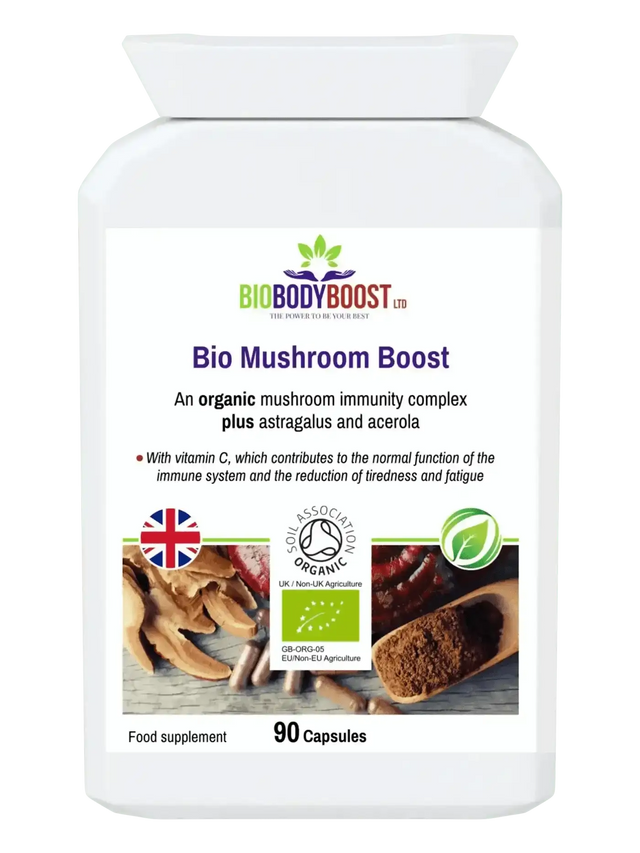
Mushroom and botanical blends can be a useful addition for people who prefer plant-led daily support, but they should sit behind the core nutrients rather than replace them. If you take prescription medicine, have an autoimmune condition, are pregnant or are breastfeeding, check suitability with a pharmacist, GP or qualified healthcare professional first.
Build a routine your body can actually use
The most effective supplement plan is usually the least complicated one. Start with the nutrient most likely to be missing from your routine. For many UK adults, that is vitamin D. Add vitamin C or zinc when your diet suggests a gap, and consider probiotics when digestive consistency is part of the picture.
Take fat-soluble vitamin D with a meal containing some dietary fat. Take zinc with food to reduce the chance of nausea. Probiotics may be taken as directed on the pack, with storage instructions followed carefully. Timing is less powerful than consistency, so attach your supplement to a habit that already happens: breakfast, your first coffee, or the evening meal.
It is also worth separating supplements from medications when needed. Zinc, for example, can interact with certain antibiotics and other medicines. A pharmacist can help you check the right timing if you are unsure.
What clean-label quality looks like
For immune supplements, the ingredient panel should inspire more confidence than the front label. A clean, plant-based formula should tell you what form of each nutrient is used, how much is in a serving and whether the product is suitable for your dietary requirements.
Prioritise products made with transparent dosing, tested for quality and free from unnecessary fillers where possible. Vegan suitability, allergen information and third-party testing are particularly valuable when you use supplements every day. Be cautious with products that promise to ‘cure’, ‘prevent’ or dramatically transform immunity. Credible wellness support is more measured: nutrients support normal immune function, while your wider habits shape the bigger picture.
Do not out-supplement the basics
No capsule can compensate for routinely sleeping five hours, skipping meals and running on stress. Your immune system also needs enough protein, fibre-rich plants, fluids and regular recovery. A basic plate of protein, colourful vegetables, wholegrains or starchy veg, and healthy fats does more than most complicated stacks.
If you are frequently unwell, unusually fatigued, losing weight without trying, experiencing persistent digestive symptoms or concerned about recurrent infections, speak to your GP rather than continually adding new products. A blood test or clinical assessment may reveal an issue that a generic supplement cannot address.
Start small, choose research-backed ingredients in transparent doses, and give your routine enough time to become a habit. The right support should fit your real life: steady, plant-powered and easy to keep taking long after the busy week has passed.