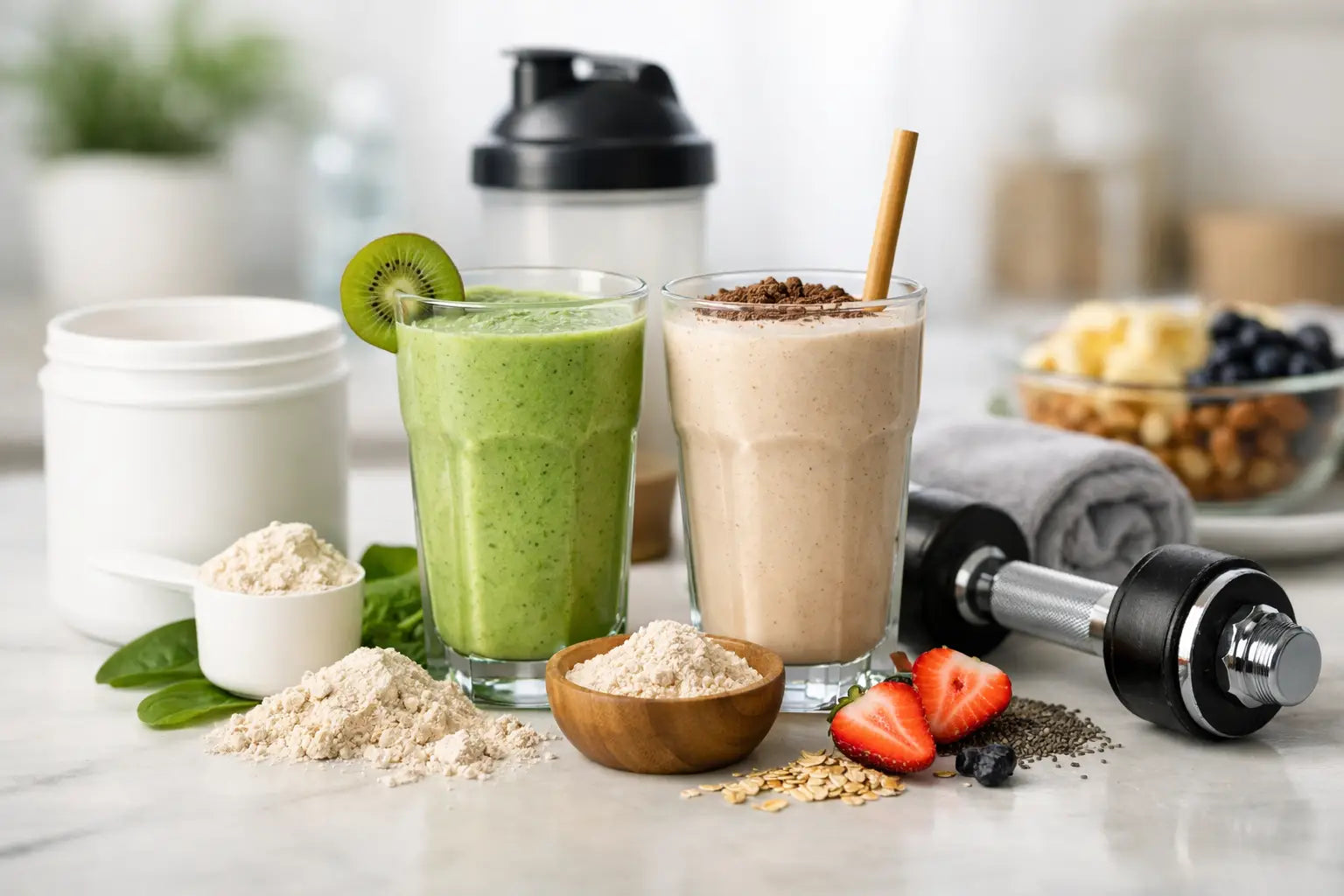
A 4 pm biscuit run, a skipped lunch between meetings, or arriving home too hungry to cook is where many weight goals unravel. This weight support shakes guide is built for real routines, not restrictive plans: choose a shake that helps you feel satisfied, supports steady energy and makes nourishing meals easier to repeat.
What a Weight Support Shake Should Actually Do
A well-formulated shake is not a shortcut for losing weight, and it should never be sold as one. Its practical job is simpler: provide a convenient, portion-aware option with enough protein and fibre to help manage hunger when a balanced meal is not realistic.
That matters because appetite is rarely only about willpower. A breakfast made mostly of sugar, a lunch with very little protein, or long gaps without food can leave you ravenous later. A plant-based shake can give your day more structure, whether you use it as a quick breakfast, a planned afternoon snack or an occasional meal replacement.
The best results tend to come from consistency rather than intensity. Think of a shake as a useful tool in a wider routine that includes everyday movement, satisfying whole foods, enough sleep and realistic portions. Feeling lighter should not mean feeling drained, distracted or constantly hungry.
Weight Support Shakes Guide: The Ingredients That Matter
The front of a pouch can make broad promises. The nutrition panel and ingredient list tell you whether the formula is likely to earn a place in your routine.
Protein for fullness and muscle maintenance
Protein is one of the key features to look for. It can support fullness after eating and helps maintain muscle mass when paired with resistance training and adequate overall nutrition. This is particularly useful if you are reducing portions or working towards a more active lifestyle.
For vegan formulas, pea protein, brown rice protein, hemp protein and soy protein are common options. Blended plant proteins can offer a more rounded amino acid profile and may produce a smoother texture. There is no single perfect source - choose one you digest comfortably and enjoy drinking regularly.
A shake with a meaningful protein serving is usually more satisfying than one built mainly around sweeteners and fruit powders. Your individual needs vary with body size, activity and the rest of your diet, but protein should be a clear part of the formula rather than a token addition.
Fibre for a steadier appetite
Fibre supports normal digestion and can help a shake feel more substantial. Ingredients such as oats, flaxseed, chia, inulin and certain vegetable fibres can all contribute, though tolerance differs from person to person.
If you are not used to much fibre, start with a smaller serving and increase gradually. Going from a low-fibre diet to a fibre-heavy shake overnight can cause bloating or discomfort. Drink enough water too - fibre works best as part of a well-hydrated day.
Carbohydrates, fats and calories in context
Carbohydrates are not the enemy of weight support. They provide energy, especially around training, busy commutes and active days. The more useful question is whether the shake combines carbohydrates with protein, fibre and sensible calories, rather than relying on added sugars for flavour.
Healthy fats from seeds, nuts or coconut can improve taste and satiety, but they also raise calorie density. That can be useful for someone struggling to eat enough, yet less suitable if the shake is intended as a lighter meal option. Check the serving size before comparing products, as scoops and portions can vary widely.
Choose the Right Role for Your Routine
A shake works best when it solves a specific problem. If mornings are chaotic, use it to replace a breakfast you would otherwise skip or swap for a pastry. Blend it with water when you want the simplest option, or with unsweetened plant milk for a creamier drink and a little more energy.
For afternoon hunger, a smaller shake may prevent the familiar cycle of grazing until dinner. This can be especially helpful for office days, long school runs or travel, when balanced options are less predictable. Pair it with fruit if you need more volume, rather than treating the shake as a reason to ignore hunger.
After training, a protein-forward shake can support recovery while making it easier to avoid reaching for whatever is quickest. If your session is intense or you are training for performance, you may benefit from adding a carbohydrate source such as oats or a banana. Weight support does not require under-fuelling your workouts.
Replacing every meal with shakes is rarely a strong long-term plan. Whole foods bring variety, chewing satisfaction and nutrients that powders cannot fully replicate. Use shakes to make your routine more reliable, not narrower.
How to Read a Label Without the Marketing Noise
Start with the ingredient list. A shorter list is not automatically better, but you should recognise the role each main ingredient plays. Look for a clearly stated protein source, fibre-containing ingredients and transparent nutrition information per serving.
Next, check added sugars and sweeteners. Some sweetness is not inherently a problem, particularly if it helps you enjoy a nutritious shake consistently. However, an overly sweet formula can leave you wanting more sweet foods or make a shake feel less like a balanced meal. If you are sensitive to certain sweeteners, choose accordingly.
Then consider dietary fit. A genuinely vegan shake should suit a plant-based lifestyle without relying on dairy-derived ingredients. If you have allergies, coeliac disease, digestive sensitivities or a medical condition, read allergen information carefully and seek personalised advice where needed. Third-party testing and clear quality standards offer extra reassurance when choosing a daily-use supplement product.
Finally, do not overlook taste and texture. A shake you dread will sit unused in the cupboard. Natural flavours, cocoa, cinnamon, berries and a pinch of salt can make a plain blend more enjoyable without turning it into a dessert-style drink.
Make Your Shake More Satisfying, Not More Complicated
The simplest preparation is often the one you will keep doing. Shake your powder with cold water for speed, then adjust the liquid amount until you find a texture you like. A blender can create a thicker, more filling result, but it is not essential.
If a shake is replacing a meal, build it intentionally. Add a handful of berries for flavour and fibre, spinach for an easy greens boost, or a spoon of ground flaxseed for texture and fats. Keep additions purposeful. It is easy to turn a light shake into a high-calorie drink by adding several spoonfuls of nut butter, large amounts of granola and sweetened plant milk all at once.
For a smoother routine, prepare your shaker the night before, keep a scoop at work or pack a serving when travelling. Convenience is not a minor detail - it is often the difference between a plan that lasts and one that disappears on a busy Wednesday.
Common Mistakes That Slow Progress
The biggest mistake is expecting a shake to compensate for everything else. A nutritious drink cannot offset consistently poor sleep, frequent alcohol, low activity or a diet that leaves you undernourished during the day and overeating at night.
Another is choosing the lowest-calorie option available. If it leaves you hungry within an hour, it may drive more snacking later. A slightly more substantial shake with protein and fibre can be the better weight-support choice because it helps you stay comfortable between meals.
It also helps to avoid judging progress solely by the scales. Body weight naturally shifts with hydration, digestion, hormones and training. Notice everyday markers too: fewer energy crashes, less frantic snacking, better workout recovery and a routine you can maintain without feeling deprived.
BioBodyBoost approaches everyday wellness with plant-based, clean-label nutrition in mind, because the right shake should support your goals without creating unnecessary gut disruption or diet drama.
Choose the shake that makes your next good decision easier: one you enjoy, digest well and can reach for when life gets busy. Small, repeatable upgrades are where lasting momentum starts.