Water retention is one of the most Googled health complaints in the UK — and one of the most misunderstood. “How to lose water weight” and “why am I so bloated” generate millions of UK searches annually, driving a market full of “detox teas” and diuretic supplement blends with minimal evidence. Here is the honest guide to what causes fluid retention, what actually addresses the mechanisms and what is mostly marketing.
What Is Water Retention and Why Does It Happen?
Water retention occurs when fluid accumulates in tissues rather than remaining in circulation. The body holds approximately 60% of its weight as water — distributed between intracellular fluid (inside cells), interstitial fluid (between cells) and plasma (in blood vessels). Excess fluid accumulates in the interstitial space when the balance between fluid entering and leaving tissues is disrupted.
The main causes:
- High sodium intake — the most common cause. Sodium retains water osmotically. Processed foods drive excessive UK sodium consumption (average 8g/day vs 6g recommendation), creating an osmotic pull that holds excess fluid.
- Hormonal fluctuations — the most common cause in women. Oestrogen and aldosterone both promote sodium and water retention. PMS-related bloating in the luteal phase (days 14–28) is genuine fluid retention driven by these hormones.
- Low protein intake — albumin in the blood maintains oncotic pressure that keeps fluid in circulation. Very low protein intake reduces albumin and allows fluid to leak into tissues.
- Prolonged sitting or standing — reduces venous return from the lower limbs; fluid pools in ankles and feet.
- Potassium deficiency — potassium counteracts sodium; low potassium allows sodium-driven fluid retention to amplify.
- Magnesium deficiency — magnesium regulates aldosterone sensitivity; deficiency amplifies hormonal fluid retention.
- Lymphatic dysfunction — poor lymphatic flow fails to drain interstitial fluid efficiently.
- Medical causes — heart failure, kidney disease, liver disease, thyroid dysfunction and certain medications all cause fluid retention requiring medical treatment rather than supplementation.
Supplements With Genuine Evidence for Fluid Balance
Magnesium glycinate — the most effective for hormonal water retention
Evidence: Strong — specifically for PMS-related fluid retention
Magnesium regulates aldosterone receptor sensitivity — reducing the degree to which the luteal phase hormone surge causes sodium and water retention. A 1998 RCT specifically found magnesium supplementation (200mg elemental daily) significantly reduced PMS-related fluid retention, weight gain and breast tenderness versus placebo. For the most common female water retention pattern, magnesium is the most targeted intervention available. Dose: 300–400mg elemental magnesium as glycinate daily, taken consistently throughout the month.
Potassium — directly counteracts sodium-driven retention
Evidence: Strong for sodium-induced fluid retention
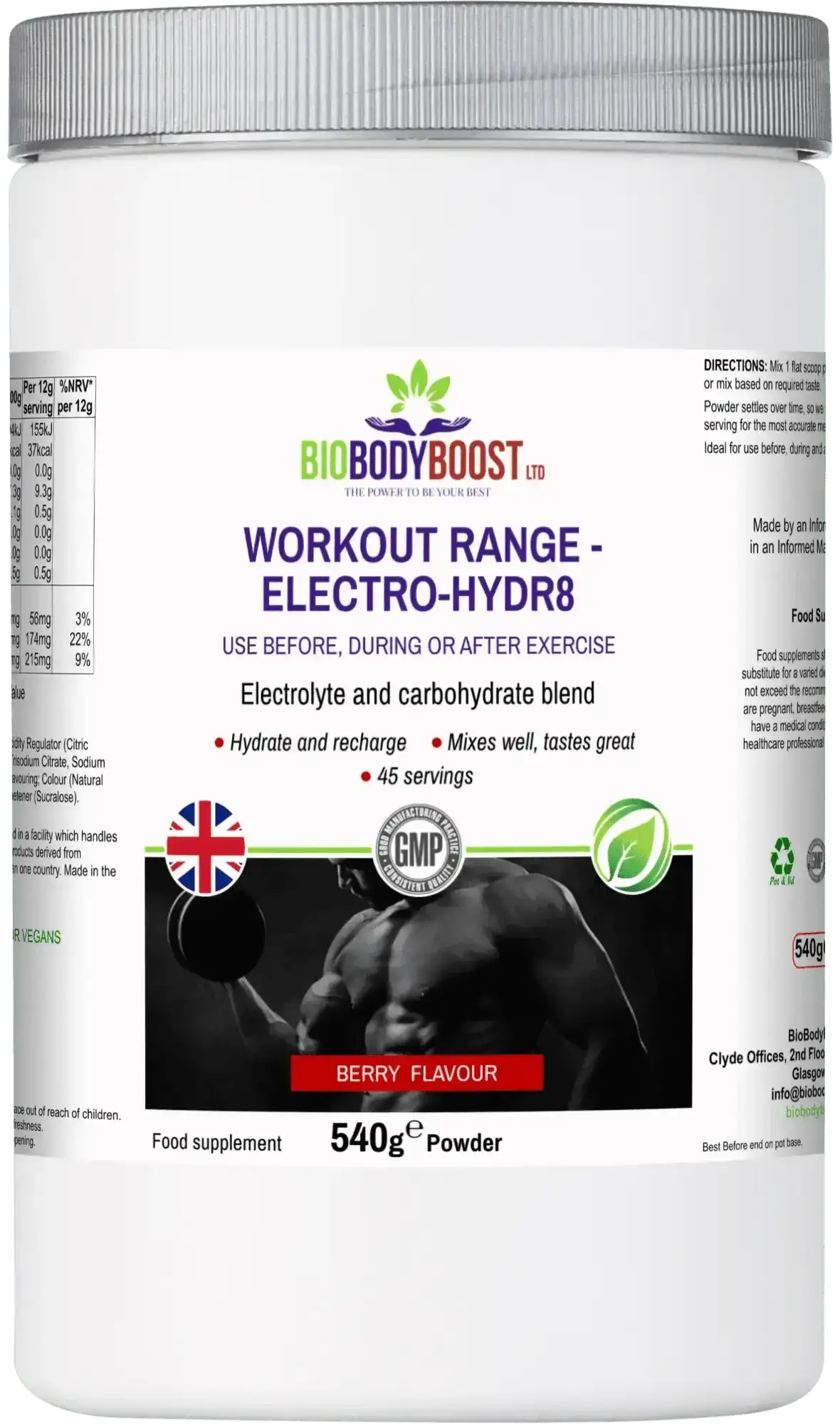
Potassium promotes urinary sodium excretion (natriuresis) through kidney signalling, directly counteracting dietary sodium’s fluid-retaining effect. UK adults average only 2,700–3,100mg potassium against the 3,500mg recommendation. Increasing potassium through diet (avocados, bananas, spinach, white beans, potatoes) is the primary approach — supplement form is limited to 99mg per tablet by UK regulations. Electrolyte supplements providing 200–400mg potassium per serving alongside sodium replenishment can help balance the sodium:potassium ratio.
Dandelion leaf and traditional diuretic botanicals
Evidence: Moderate — documented diuretic effect in humans
Dandelion leaf (Taraxacum officinale) is a natural diuretic that increases urine output by inhibiting renal tubular sodium reabsorption — without depleting potassium (unlike pharmaceutical diuretics). A 2011 pilot study confirmed significant increases in urine frequency and volume following dandelion leaf extract consumption. Dandelion also provides potassium, partially offsetting diuretic losses. Traditional formulas often combine dandelion with other mineral-rich botanicals such as nettle, celery seed, parsley and juniper berry, each with a long history of traditional use in fluid and digestive preparations.
Vitamin B6 — for hormonal fluid retention
Evidence: Good — reduces PMS-related water retention
B6 reduces fluid retention through multiple mechanisms: it reduces aldosterone secretion during the luteal phase, supports liver oestrogen metabolism (reducing relative oestrogen excess that drives retention) and supports progesterone production. Multiple PMS trials showing B6 reduces bloating and breast tenderness document this effect. Dose: 25–50mg B6 daily (within safe limits — avoid high doses long-term).
What Doesn’t Help (and May Worsen It)
- Detox teas — most contain senna or other stimulant laxatives, not diuretics. Any “water weight” lost is GI fluid and returns immediately. Regular use causes electrolyte imbalance.
- Cutting water intake — paradoxically worsens fluid retention. Dehydration triggers the renin-angiotensin-aldosterone system to hold more fluid. Drink adequate water to suppress aldosterone.
- Restricting all sodium suddenly — triggers aldosterone rebound. Gradual reduction is more effective than elimination.
When to See a GP
Sudden, severe or asymmetric swelling — particularly in one leg, face or around the eyes — may indicate deep vein thrombosis, allergic reaction, kidney disease, heart failure or liver disease. These require medical evaluation, not supplements. Pitting oedema (pressing the swollen area leaves an indentation) warrants GP assessment if persistent.
Magnesium 3 Complex — addresses magnesium and B6 together for hormonal water retention. Electro-Hidr8 — potassium, sodium and chloride for sodium:potassium balance optimisation. Fluid Balance by BioBodyBoost — nine traditional botanicals (dandelion, nettle, celery seed, juniper berry and more) alongside magnesium and B6, in a targeted fluid balance formula. All halal certified, vegan, UK GMP. Browse the women’s range.