The vagus nerve (cranial nerve X) is the primary communication channel between the brain and the visceral organs — carrying approximately 80% of its signals from gut to brain, not the other way around. Poor vagal tone is associated with anxiety, depression, IBS, inflammatory conditions, and poor stress resilience. Good vagal tone is associated with faster heart rate recovery from stress, better gut function and lower inflammatory markers. Here is what the evidence shows for supporting vagal function.
What Is the Vagus Nerve and What Does It Do?
The vagus nerve originates in the brainstem and travels to the heart, lungs, liver, stomach and intestines. It is the primary nerve of the parasympathetic nervous system — the “rest and digest” system that counteracts the fight-or-flight stress response. Its functions include:
- Heart rate regulation — the vagus slows heart rate through acetylcholine release; high vagal tone = greater heart rate variability (HRV)
- Digestive function — stimulates gastric acid production, peristalsis and digestive enzyme release
- Anti-inflammatory reflex — the vagus mediates the cholinergic anti-inflammatory pathway, directly reducing systemic inflammation via acetylcholine
- Gut-brain signalling — approximately 80% of vagus nerve fibres carry signals from gut to brain — making gut health a direct determinant of brain signalling and mood
What Is Vagal Tone and How Is It Measured?
Vagal tone refers to the activity level of the vagus nerve. The most practical measurement is heart rate variability (HRV) — the variation in time intervals between heartbeats. Higher HRV correlates with better vagal tone, better stress resilience and better cardiovascular health. Many wearable devices now measure HRV as a proxy for overall wellbeing and recovery.
What Evidence-Based Approaches Support Vagal Tone?
Diaphragmatic breathing — strongest evidence
Slow, deep diaphragmatic breathing at approximately 6 breaths per minute (5 seconds in, 5 seconds out) directly stimulates the vagus nerve through baroreceptor activation in the lungs and aorta. This is the most consistently documented vagal activation method and produces immediate measurable increases in HRV. It costs nothing and works within minutes. This is more important than any supplement for vagal tone.
Probiotics — the gut-vagus connection
Evidence: Good — specific strains signal the vagus directly
Certain gut bacteria communicate directly with the vagus nerve through enteroendocrine cells (EECs) in the gut lining. Lactobacillus rhamnosus has been shown in animal studies to reduce anxiety and increase GABA signalling via the vagus nerve — and the effect is abolished when the vagus is cut. A 2019 human trial found probiotic supplementation significantly improved HRV (vagal tone marker) over 4 weeks in healthy adults. The gut-vagus axis is genuine and bidirectional — supporting gut microbiome diversity directly supports vagal signalling.
Omega-3 DHA/EPA — anti-inflammatory vagal support
Evidence: Moderate — reduces inflammatory tone that suppresses vagal activity
Systemic inflammation suppresses vagal tone. Omega-3 fatty acids reduce pro-inflammatory cytokines and have been associated with improved HRV in multiple trials. The mechanism is partly direct (omega-3 modulates membrane fluidity of vagal neurons) and partly via reduced inflammatory suppression of the vagus.
Magnesium — GABA and parasympathetic nervous system
Evidence: Good — magnesium deficiency directly impairs parasympathetic function
Magnesium activates GABA receptors and supports the parasympathetic nervous system function. Low magnesium is associated with reduced HRV and increased inflammatory tone. Multiple trials confirm magnesium supplementation improves HRV and reduces anxiety markers — consistent with improved vagal tone.
Ashwagandha — HPA axis and vagal balance
Evidence: Good — reduces cortisol that chronically suppresses vagal tone
Chronically elevated cortisol from HPA axis dysregulation directly suppresses vagal tone — this is why chronic stress produces gut symptoms, poor digestion and increased inflammatory markers. Ashwagandha’s documented cortisol-reducing effects (30% reduction in some trials) indirectly support vagal tone by reducing the hormonal suppression of parasympathetic activity.
Cold exposure — the most overlooked vagal activator
Splashing cold water on the face or brief cold showering activates the diving reflex — a powerful vagal response mediated by receptors in the face and neck. This is measurable as an immediate HRV increase. Not a supplement, but highly relevant context for anyone asking “how to strengthen my vagus nerve.”
What Doesn’t Have Evidence
- Specific “vagus nerve supplements” — a marketing category without clinical basis
- Electrical vagus nerve stimulation devices sold online without prescription — these mimic clinical VNS devices but are unvalidated
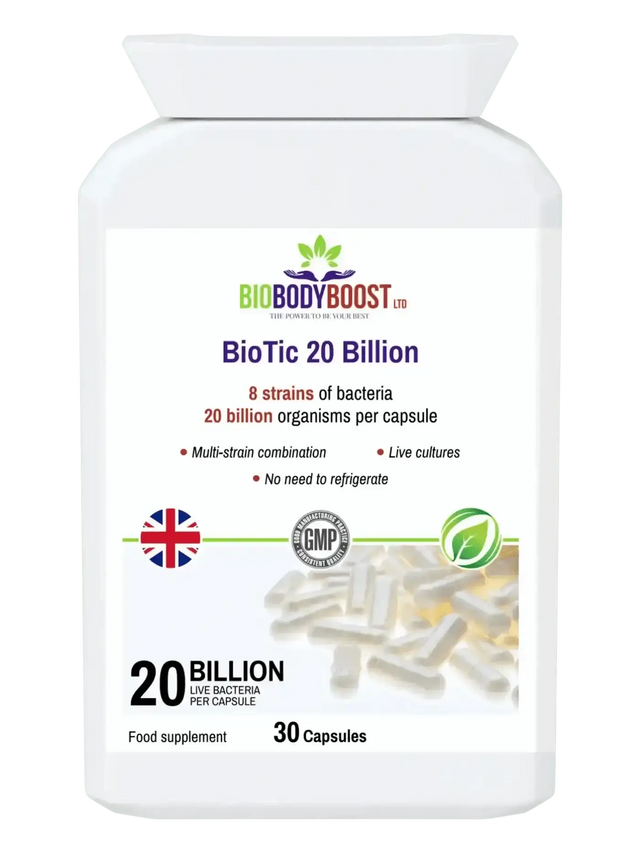
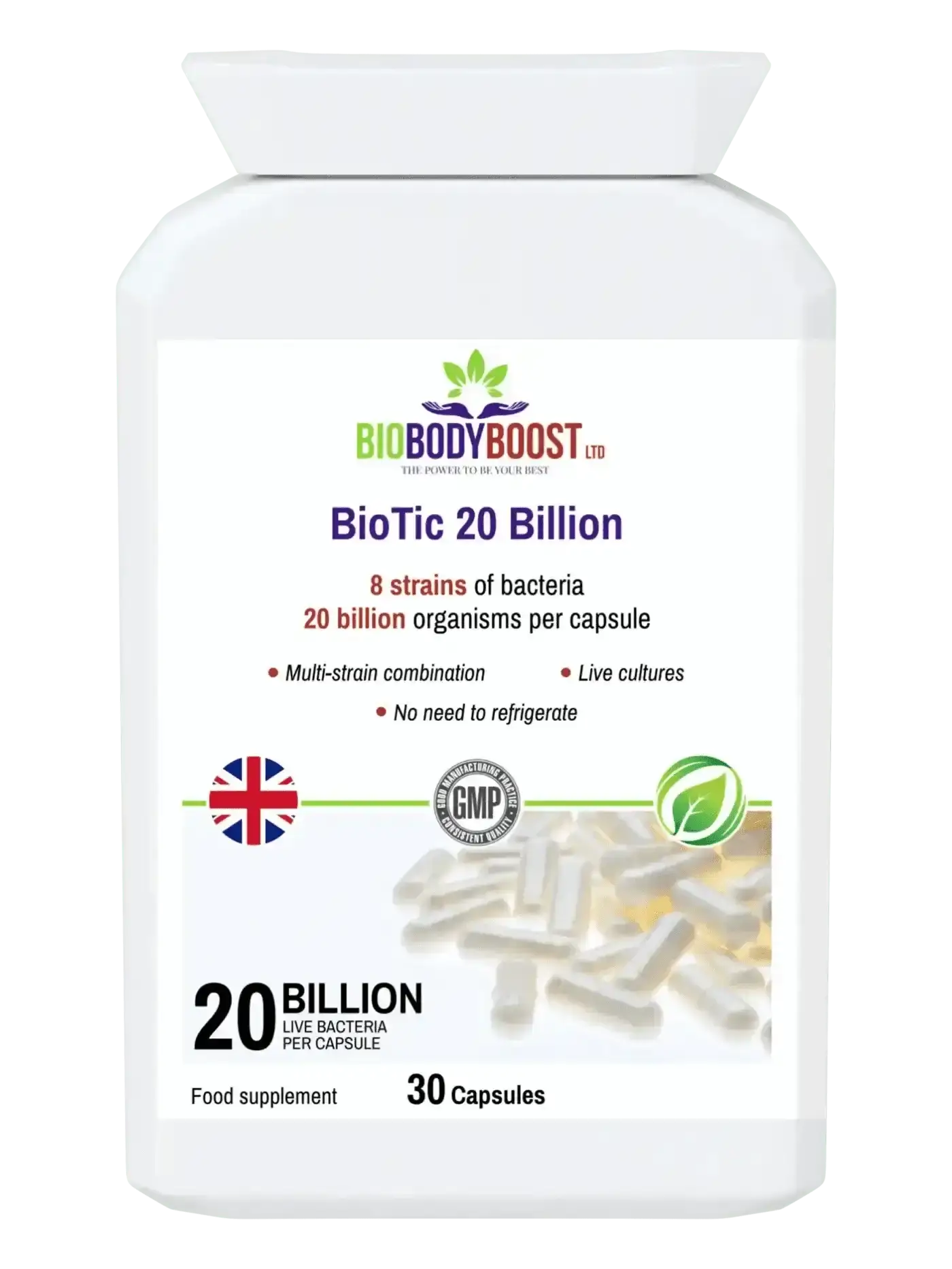
BioTic 20 Billion — probiotics that signal directly to the vagus via enteroendocrine cells. Magnesium 3 Complex — parasympathetic nervous system support. ZenBlend — HPA axis cortisol reduction. OmegaBalance — anti-inflammatory DHA/EPA. All halal certified, UK GMP. Browse the range.