Quick answer: testosterone declines at approximately 1–1.5% per year after age 30 in men. By age 50, average total testosterone is approximately 30% lower than at age 25. This produces the symptoms commonly attributed to “getting older”: reduced energy, declining muscle mass, slower recovery, reduced libido, low mood and increased body fat. However, much of this decline is accelerated by modifiable factors — vitamin D deficiency, zinc insufficiency, chronic stress, poor sleep and sedentary behaviour — that can be meaningfully addressed before considering medical testosterone therapy. The NHS recommends speaking to your GP if you have symptoms of low testosterone, as medical assessment including blood tests is needed before any testosterone intervention.
Why testosterone declines after 40
Testosterone production occurs in Leydig cells in the testes, regulated by the hypothalamic-pituitary-gonadal (HPG) axis. Age-related testosterone decline has multiple components:
- Reduced Leydig cell number and function: the number of Leydig cells declines with age, and each produces less testosterone per unit of LH stimulation
- Increasing SHBG: sex hormone-binding globulin increases with age, binding more testosterone and reducing the biologically active “free” testosterone fraction even when total testosterone is normal
- Elevated cortisol: cortisol and testosterone have an inverse relationship via shared precursors. Chronic stress elevates cortisol and suppresses testosterone
- Reduced LH pulse amplitude: the pituitary’s LH release pattern changes with age, producing less stimulation of Leydig cells
The modifiable contributors most UK men aren’t addressing
Vitamin D deficiency — the most impactful and most overlooked
Vitamin D receptors are present on Leydig cells. Vitamin D directly supports testosterone synthesis. Pilz et al. (2011, Hormone and Metabolic Research, RCT, n=54 men) found vitamin D supplementation at 3,332 IU/day for 12 months significantly increased total testosterone by 25.2% vs placebo — one of the most impactful nutritional testosterone interventions in human trials. UK South Asian men are at highest risk: lower cutaneous vitamin D synthesis from higher melanin, lower dietary vitamin D sources, and the compounding effect on Leydig cell function makes correcting vitamin D deficiency a high priority. Lipovita D3+K2 — 4,000 IU lichen-derived D3, liposomal, halal certified.
Zinc deficiency — the testosterone cofactor
Zinc is required for the synthesis of testosterone in Leydig cells and for the regulation of LH receptor sensitivity. Prasad et al. (1996, Nutrition) found zinc restriction reduced serum testosterone by 75% in healthy young men over 20 weeks, and zinc supplementation significantly restored testosterone in zinc-deficient older men. EU-authorised health claim: zinc contributes to the maintenance of normal testosterone levels. The effect is specific to deficiency correction — zinc does not raise testosterone above normal physiological range in zinc-sufficient men. UK plant-based and vegetarian men are at elevated zinc insufficiency risk. Magnesium 3 Complex — zinc 10mg + magnesium + B6. Halal certified.
Magnesium — free testosterone and SHBG
Magnesium competes with testosterone for SHBG binding, increasing the biologically active free testosterone fraction. A 2011 Biological Trace Element Research study (n=399) found serum magnesium was significantly and independently associated with both total and free testosterone in sedentary and active men across all age groups. For men over 40 where increasing SHBG is progressively reducing free testosterone, magnesium addresses this mechanism directly. Magnesium 3 Complex provides 300mg elemental magnesium glycinate + malate + taurate.
Cortisol and stress — the testosterone suppressor
Cortisol and testosterone compete for common precursors and cortisol suppresses HPG axis function. Chronic stress — which is the norm rather than exception for middle-aged men — chronically elevates cortisol and suppresses testosterone. KSM-66 ashwagandha reduces cortisol by approximately 23% in stressed adults (Langade 2019 RCT, n=60). Wankhede et al. (2015, JISSN, n=57 male resistance trainers) found KSM-66 supplementation significantly increased testosterone alongside muscle gains vs placebo, consistent with the cortisol reduction mechanism. ZenBlend — KSM-66 ashwagandha + rhodiola + L-theanine + niacin. Halal certified.
Sleep — testosterone is made during deep sleep
Approximately 70% of daily testosterone production occurs during sleep, primarily during slow-wave deep sleep. Leproult and Van Cauter (2011, JAMA, n=10 healthy young men) found that restricting sleep to 5 hours per night for 1 week reduced testosterone levels by 10–15% — equivalent to 10–15 years of aging. Poor sleep quality and insufficient duration are therefore a direct testosterone suppressant. Magnesium glycinate before sleep supports sleep quality via NMDA receptor modulation and melatonin synthesis. BioSnooze (ashwagandha KSM-66 + valerian) supports sleep architecture.
Resistance training — the non-negotiable
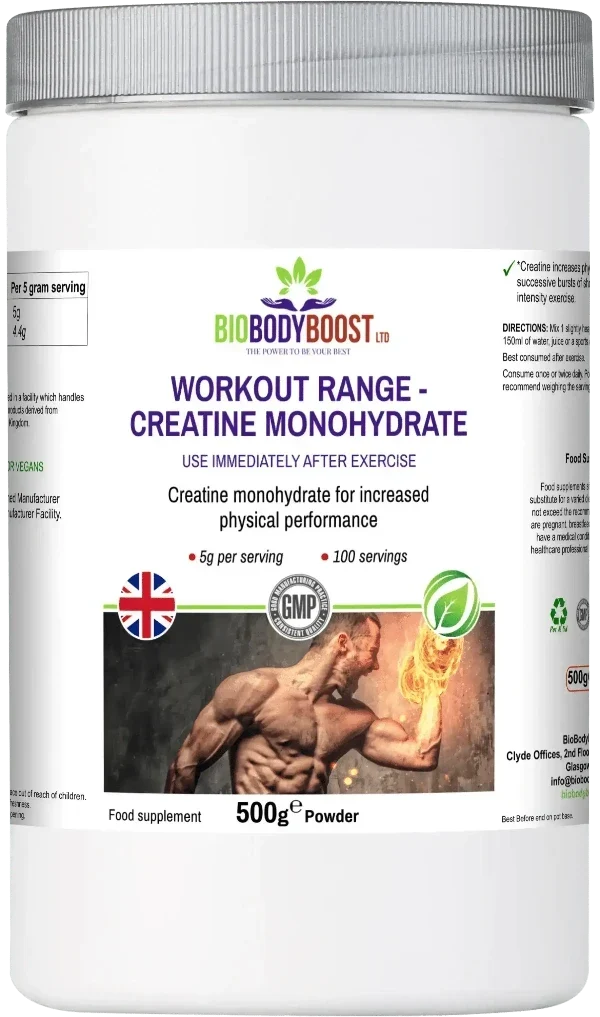
No supplement substitutes for resistance training’s effect on testosterone. Compound lifts (squat, deadlift, bench press) at 70–85% 1RM with short rest periods produce the most significant acute testosterone response. The NHS recommends strength activities on at least 2 days per week for adults. Creatine combined with resistance training supports the anabolic response and adds mitochondrial biogenesis benefits. Creatine Monohydrate — halal certified.
The halal testosterone support stack
| Supplement | Testosterone mechanism | Key evidence |
|---|---|---|
| Lipovita D3+K2 | Leydig cell VDR signalling for synthesis | Pilz 2011 RCT (+25.2%) |
| Magnesium 3 Complex | Zinc for synthesis + Mg for free T via SHBG | Prasad 1996; 2011 BTE |
| ZenBlend (KSM-66) | Cortisol ↓ → HPG axis support | Wankhede 2015 JISSN |
| Creatine Monohydrate | Training response + biogenesis | 300+ studies |
| Maca Me Happy | Libido via endocannabinoid (not testosterone) | Gonzales 2009 RCT |
What are the signs of low testosterone in men after 40?
Common symptoms: persistent low energy and fatigue (distinct from tiredness — energy doesn’t restore fully with rest), declining muscle mass despite continued exercise, increased body fat particularly around the abdomen, reduced libido and sexual function, low mood or irritability, reduced motivation and drive, and slower recovery from training or physical activity. The NHS identifies these as symptoms of hypogonadism (low testosterone) and recommends blood testing to confirm before any treatment. Many symptoms have multiple causes — thyroid dysfunction, depression, anaemia and sleep apnoea all produce similar presentations and require exclusion.
Do testosterone supplements work UK?
The most evidence-supported interventions are correcting deficiencies that specifically impair testosterone production: vitamin D (Pilz 2011 RCT: +25.2% testosterone from D3 3,332 IU/day), zinc in deficient men (Prasad 1996: 75% reduction with restriction; significant restoration with supplementation), and reducing cortisol via ashwagandha (Wankhede 2015 JISSN: significant testosterone increase). These are not “testosterone boosters” in the marketing sense — they correct modifiable deficiencies that suppress testosterone. Supplements cannot compensate for clinically low testosterone (hypogonadism) requiring medical TRT. Resistance training combined with adequate sleep remains the most powerful lifestyle testosterone intervention available.