
That post-meal puffed-up feeling can ruin a good lunch, make clothes feel tighter by 3pm, and leave you guessing whether the problem is your gut bacteria, your food choices, or your digestion itself. When people compare probiotics vs digestive enzymes for bloating, they are usually trying to solve one very practical problem - how to feel lighter, more comfortable, and less reactive after eating.
The tricky part is that probiotics and digestive enzymes are not interchangeable. They support digestion in very different ways, and choosing the wrong one can leave you disappointed even if the formula itself is well made. If you want better gut balance and daily digestion, it helps to know where your bloating is really coming from.
Probiotics vs digestive enzymes for bloating: what is the difference?
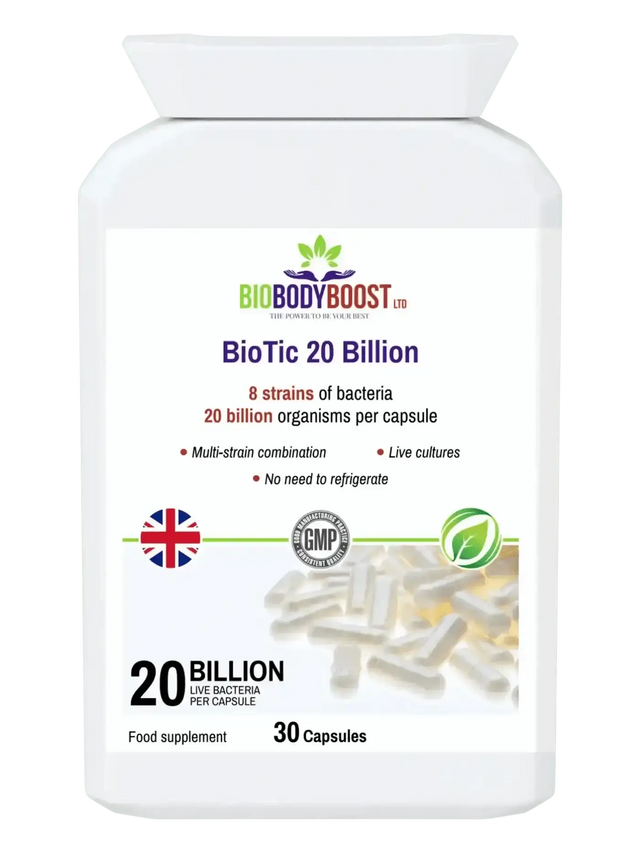
Probiotics are live beneficial bacteria, or sometimes yeasts, that help support the balance of microbes in your gut. Their role is less about breaking down a specific meal and more about helping create a healthier digestive environment over time. That can matter if your bloating tends to be frequent, your gut feels sensitive, or your digestion has been unsettled after stress, travel, illness, antibiotics, or a prolonged spell of poor eating.
Digestive enzymes work differently. They are compounds that help break food down into smaller parts, such as proteins into amino acids, fats into fatty acids, and carbohydrates into simpler sugars. If your bloating shows up soon after meals, especially larger or richer ones, enzymes may offer more direct support because they target the digestion process itself.
Think of it this way: probiotics are more about long-term gut balance, while enzymes are more about meal-time breakdown. Both can support comfort, but the best fit depends on your pattern.
When probiotics may be the better choice
If your bloating feels unpredictable, happens even with fairly healthy meals, or comes with changes in bowel habits, probiotics may deserve a closer look. A balanced gut microbiome plays a part in fermentation, bowel regularity, and how comfortably your digestive system handles food. When that balance is off, gas and bloating can become more noticeable.
This is often why probiotics appeal to people looking for steady, everyday support rather than a quick fix. They may be useful if you regularly deal with sluggish digestion, periods of constipation, or that unsettled gut feeling that comes and goes without a clear trigger. They can also make sense after a course of antibiotics, which can disrupt the natural mix of bacteria in the gut.
That said, probiotics are rarely instant. Some people notice a change within days, while others need a few weeks of consistent use before they feel a difference. In the early stages, some people also experience temporary extra gas as the gut adjusts. That does not automatically mean the supplement is wrong for you, but it is a reminder that microbiome support is more gradual than symptom-led.
Quality matters here. Strain diversity, viable counts, storage stability, and third-party testing all influence whether a probiotic is likely to deliver meaningful support. For a clean-label customer who wants research-backed daily digestion support without unnecessary fillers, those details are not a bonus - they are the baseline.
When digestive enzymes may be the better choice
If you can almost predict your bloating by the plate in front of you, digestive enzymes may be the smarter place to start. Some people feel fine until they eat a large meal, a protein-heavy dinner, a richer takeaway, or foods that are harder to digest. In that case, the issue may be less about long-term gut balance and more about how efficiently food is being broken down in the moment.
Digestive enzymes can be especially relevant if bloating starts during or shortly after eating. You may feel overly full, heavy, or gassy not long after meals rather than hours later. That pattern suggests your digestive process could use more support at the front end.
Different enzymes target different food components. Protease helps with protein, lipase supports fat digestion, and amylase helps break down carbohydrates. More specialist enzymes can also be used for particular sugars or fibres that some people struggle with. This is where label clarity really matters. A broad-spectrum formula may suit someone with general digestive heaviness, while a more targeted formula may help if certain foods keep triggering the same reaction.
Enzymes tend to feel more practical for people who want support tied to eating rather than an all-day gut strategy. They are often taken with meals and may be most noticeable when used before foods you know can leave you feeling uncomfortable.
Probiotics vs digestive enzymes for bloating: which works faster?
If speed is your priority, digestive enzymes usually have the edge. Because they work on the breakdown of food during digestion, they may help with meal-related bloating more quickly. For someone who feels puffed up after dinner and wants support that fits directly into that moment, enzymes are often the more immediate option.
Probiotics are slower, but that does not make them weaker. Their strength is in consistency. If your bloating is tied to microbiome imbalance, poor regularity, or a generally unsettled gut, a probiotic may deliver broader digestive support over time. The trade-off is patience.
So the better question is not only which works faster, but which one matches the reason you are bloated in the first place. Fast relief is useful, but only if you are aiming at the right target.
Signs you may need one, the other, or both
There is no single supplement that suits every bloated stomach. Your clues are in timing, triggers, and the wider pattern of your digestion.
If your symptoms are strongly linked to specific meals, digestive enzymes may be the more natural fit. If bloating is part of a wider picture that includes irregularity, stress-sensitive digestion, or post-antibiotic gut disruption, probiotics may be more useful.
Some people benefit from both, because these products solve different problems. You might use a probiotic as part of a daily gut balance routine and digestive enzymes with heavier meals or foods that tend to leave you feeling uncomfortable. That approach can make sense when bloating is not caused by one issue alone.
Still, more is not always better. If your digestion is generally fine and the problem only appears after very large meals eaten too quickly, lifestyle habits may matter more than another supplement. Slowing down, chewing properly, reducing fizzy drinks, and noticing portion size can be surprisingly effective.
What bloating can and cannot tell you
Bloating is common, but it is also vague. It can come from swallowed air, constipation, food intolerance, hormonal shifts, gut flora imbalance, poor meal timing, or simply eating more fibre than your system is used to. That is why choosing between probiotics and enzymes is rarely about trends and more about context.
It is also worth being realistic about what supplements can do. They can support digestion, but they are not a substitute for medical assessment if your symptoms are severe, persistent, painful, or new. If bloating comes with unexplained weight loss, bleeding, ongoing diarrhoea, vomiting, or significant pain, it needs proper attention.
For everyone else, the most useful approach is usually calm observation. Notice when the bloating starts, how long it lasts, what meals seem to trigger it, and whether your bowel habits have changed. A simple pattern often tells you more than guesswork ever will.
How to choose well
When selecting either type of digestive support, clean formulation should be a priority. Many people looking for gut support are also trying to avoid unnecessary additives, allergens, or ingredients that do not fit their lifestyle. Plant-based formulas, clear labelling, and third-party testing help reduce that uncertainty.
For probiotics, look beyond marketing language and focus on whether the product gives meaningful information about strains and potency. For enzymes, check which enzymes are included and whether the blend matches the foods you tend to struggle with. Vague labels make it harder to match the supplement to the problem.
This is where a more personalised approach can be useful. A person dealing with occasional bloating after restaurant meals may need something very different from someone with daily digestive discomfort after a course of antibiotics. The more specific your goal, the better your chances of choosing support that actually fits your routine and delivers a noticeable result.
If you are deciding between probiotics vs digestive enzymes for bloating, start with your symptoms rather than the trend. If your gut needs balance, probiotics may be the stronger long-game option. If your meals are the trigger, enzymes may help you feel lighter faster. And if your digestion gives mixed signals, a thoughtful combination, alongside smarter food habits, may be what finally helps things settle.
A calmer gut usually starts when you stop chasing generic fixes and choose support that matches how your body actually responds to food.