Potassium is the most abundant intracellular mineral in the body — approximately 98% of the body’s potassium is inside cells. It is essential for maintaining membrane potential across every cell in the body, which determines the ability of muscles and nerves to fire. The UK recommended adequate intake is 3,500mg per day; surveys consistently show most UK adults fall short of this. The result is a population-level shortfall that contributes to the high rates of hypertension and muscle cramps in the UK.
What Does Potassium Do in the Body?
Potassium’s primary functions are:
- Membrane potential maintenance — the sodium-potassium ATPase pump maintains a gradient of sodium outside cells and potassium inside. This electrochemical gradient is the basis for nerve signal transmission and muscle contraction. Every heartbeat, every nerve impulse and every muscle contraction requires this gradient.
- Blood pressure regulation — potassium counteracts sodium’s effect on blood pressure by promoting sodium excretion via the kidneys (natriuresis). Higher potassium intake is consistently associated with lower blood pressure in clinical trials. The DASH diet (designed to lower blood pressure) is high in potassium-rich foods.
- Cardiac rhythm — the heart is extremely sensitive to potassium levels. Significant potassium deficiency (hypokalaemia) causes cardiac arrhythmias — irregular heartbeat — and is a medical emergency.
- Kidney stone prevention — adequate potassium reduces urinary calcium excretion, lowering kidney stone risk.
What Are the Symptoms of Low Potassium?
Clinical hypokalaemia (below 3.5 mmol/L) is diagnosed by blood test and typically results from medical conditions, medications (especially diuretics) or severe vomiting/diarrhoea. Subclinical low potassium — below optimal levels but above the clinical threshold — is far more common and produces more subtle symptoms:
- Muscle cramps and weakness — leg cramps particularly at night are the most commonly reported symptom of suboptimal potassium. The muscle cell membrane potential is disrupted with lower intracellular potassium.
- Fatigue — from impaired cellular energy metabolism and muscle function
- Elevated blood pressure — one of the most clinically significant effects of chronically suboptimal potassium intake
- Constipation — intestinal smooth muscle requires potassium for normal motility
- Heart palpitations — cardiac electrical sensitivity to potassium changes
Why Is Potassium Deficiency Common in the UK?
The UK diet has shifted significantly away from the potassium-rich foods that dominated pre-industrial diets (fruits, vegetables, legumes, whole grains) toward processed foods high in sodium and low in potassium. The estimated evolutionary intake of potassium was approximately 10,000mg per day. The modern UK average is approximately 2,700–3,100mg — below the 3,500mg recommended adequate intake.
The sodium-to-potassium ratio is equally important — a high sodium, low potassium diet is the primary dietary contributor to hypertension. The average UK sodium intake is approximately 8,000mg (200mmol) per day — twice the recommended level — compounding the potassium shortfall effect.
Best Food Sources of Potassium in the UK
| Food | Potassium content | Notes |
|---|---|---|
| Avocado (1 medium) | ~900mg | Also rich in magnesium |
| Baked potato (medium, with skin) | ~900mg | Skin contains most of the potassium |
| White beans (100g cooked) | ~560mg | Also excellent protein and fibre |
| Banana (medium) | ~420mg | Good portable source |
| Spinach (100g cooked) | ~560mg | Also high in magnesium |
| Salmon (100g) | ~490mg | Also provides EPA/DHA |
| Dark chocolate (30g) | ~200mg | Lower than commonly cited |
Can You Supplement Potassium?
UK supplement regulations limit potassium supplements to 99mg per tablet — far below a therapeutic dose. This limit exists because high-dose potassium supplementation can cause dangerous hyperkalaemia (elevated blood potassium), particularly in people with kidney disease or those taking ACE inhibitors, ARBs or potassium-sparing diuretics. Potassium from food does not carry the same risk because it is absorbed gradually.
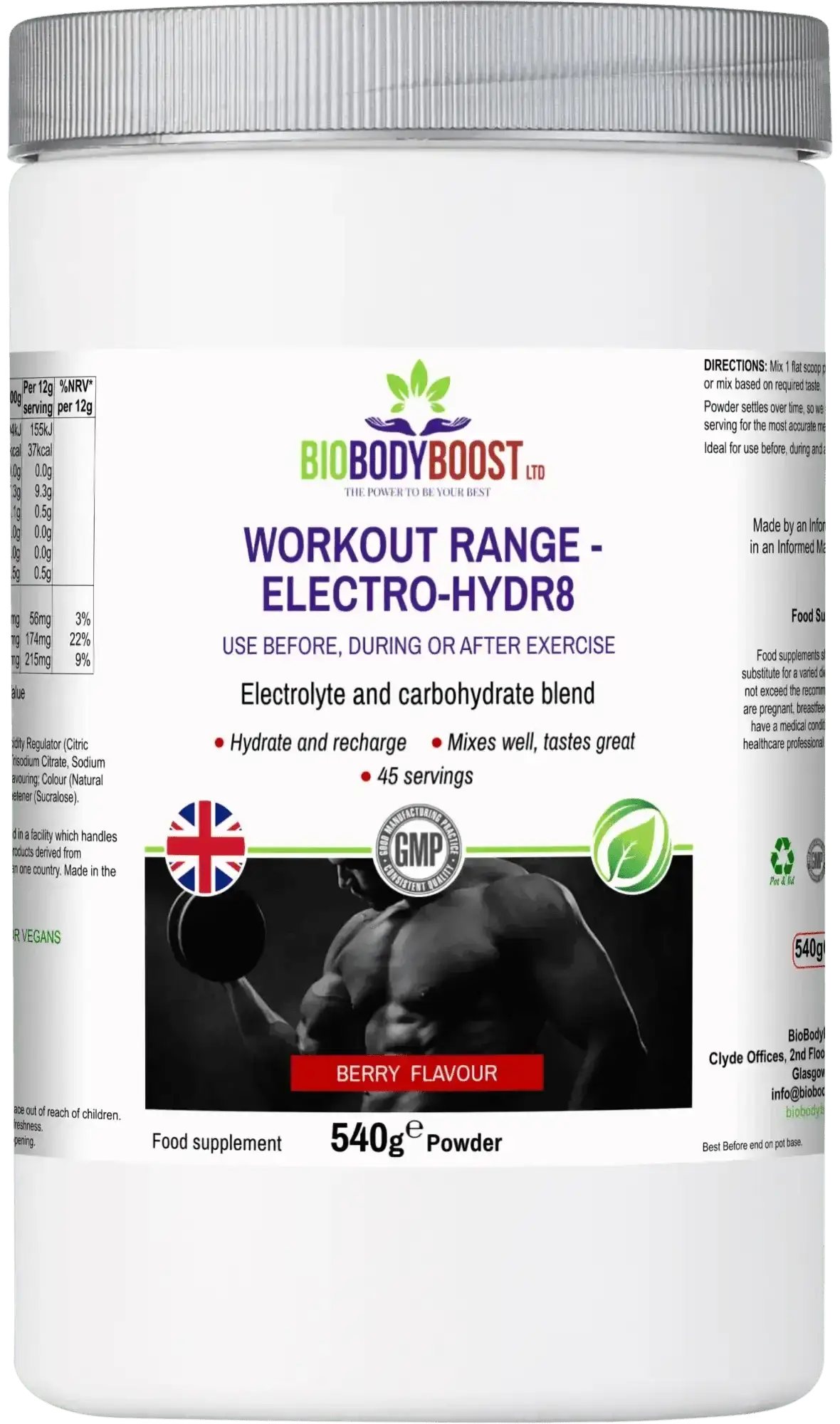
Electrolyte supplements (designed for sport and hydration) contain potassium alongside sodium and chloride in proportions appropriate for rehydration use — typically 100–400mg per serving. These are appropriate for replacing sweat losses during exercise or illness but are not a substitute for dietary potassium adequacy.
The Magnesium-Potassium Connection
Magnesium deficiency impairs the sodium-potassium ATPase pump directly. People who are both magnesium and potassium deficient — a common combination in people eating processed food diets — will not fully correct potassium status without also addressing magnesium. This is why magnesium supplementation often resolves muscle cramps even when the immediate presenting symptom appears to be potassium-related.
Electro-Hidr8 by BioBodyBoost provides potassium, sodium and chloride for electrolyte replenishment during and after exercise. Magnesium 3 Complex addresses the magnesium co-deficiency that impairs potassium metabolism. Both halal certified, vegan. Browse the full halal range.