
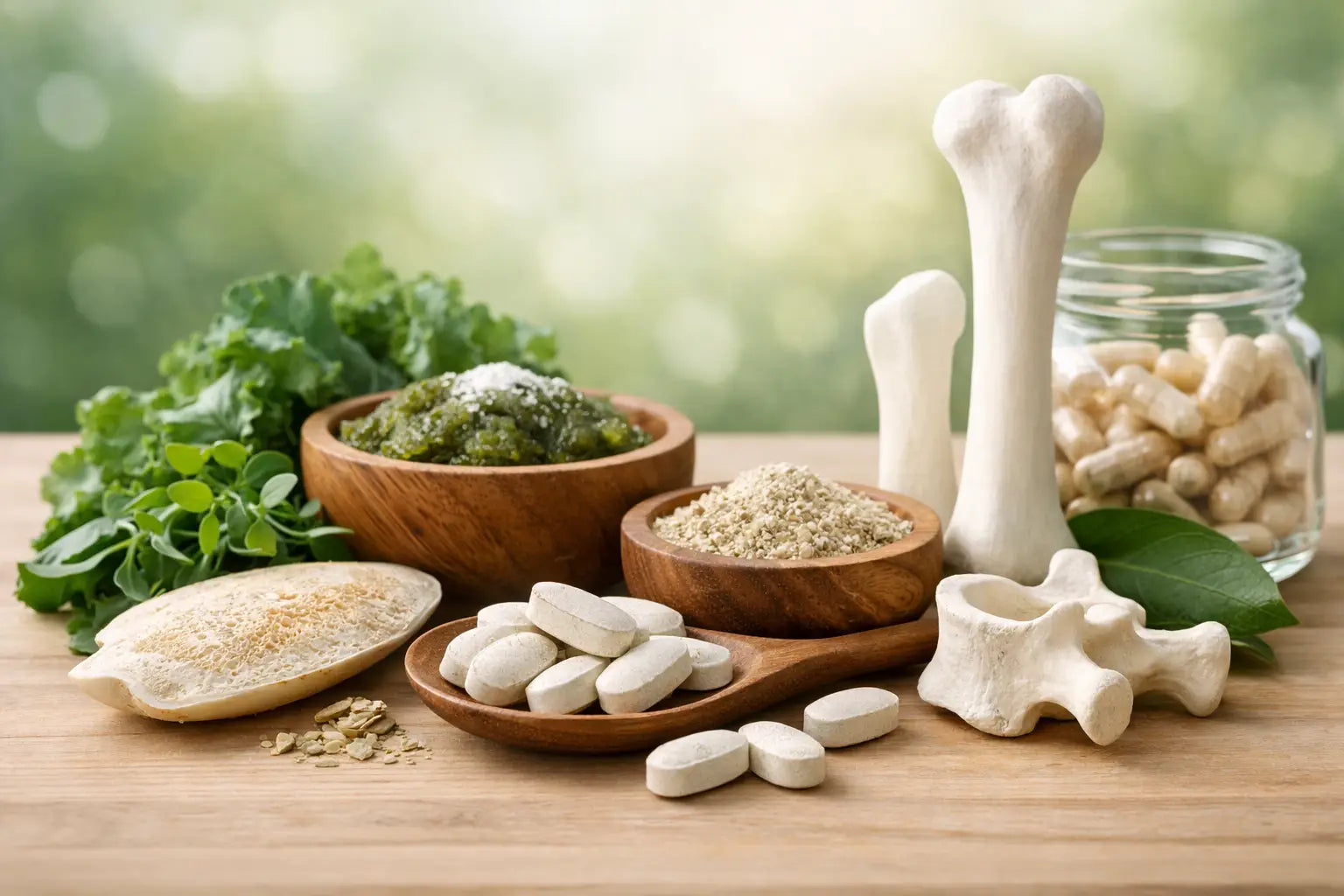
Bone support rarely feels urgent until something starts to feel off - more stiffness after training, a recovery dip, or the realisation that your diet is not as calcium-rich as you thought. A good plant-based calcium supplement for bone support can help close that gap without relying on dairy-derived ingredients, and for many people that matters just as much as the mineral itself.
If you eat vegan, limit dairy, manage digestive sensitivity, or simply want a cleaner daily routine, calcium is one of the nutrients worth getting right. But not all formulas deliver the same experience. Source, absorption, dose, co-factors, and digestive comfort all shape whether a supplement feels like a smart daily upgrade or just another bottle in the cupboard.
Why calcium support is about more than just calcium
Most people hear calcium and think bones, which is fair. Calcium is a core structural mineral in the skeleton, and long-term intake matters for maintaining normal bones. But that is only part of the picture. Your body also uses calcium in muscle function and cell signalling, so when intake falls short over time, bone health can take the hit.
That is why a supplement should not be judged on calcium content alone. The better question is whether the formula supports actual use by the body. A high number on the label looks impressive, but if the form is hard on digestion or paired poorly, it may not be the most practical choice for everyday consistency.
What makes a plant-based calcium supplement for bone support different?
A plant-based formula usually sources calcium from algae, sea minerals, or other non-animal ingredients rather than dairy or mineral-heavy compounds that can feel harsher on the stomach. For people who want vegan-friendly nutrition, that is the obvious win. The less obvious benefit is that many plant-derived formulas are designed with better tolerance in mind.
That does not mean every plant-based supplement is automatically better. It depends on the source, the amount per serving, and what else is included. Some are clean, balanced, and easy to take daily. Others use a plant-based label as a shortcut while ignoring the details that actually matter, such as meaningful co-nutrients or transparent testing.
For a modern wellness routine, the sweet spot is simple - clean ingredients, research-backed formulation, and a dose that supports long-term use without gut disruption.
The forms of calcium worth knowing
Calcium carbonate is common because it is cheap and concentrated, but it can be less comfortable for some people, especially if taken without food. It is not automatically a poor choice, yet it is not always the best fit for someone who prioritises gentle digestion.
Calcium citrate is often better tolerated and can be a solid option if you want flexibility around meals. Then there are plant-derived marine or algae-based sources, which appeal to those wanting a more natural alternative with vegan compatibility.
The right choice depends on your routine. If you regularly experience bloating or stomach discomfort, a gentler form may be worth prioritising over the highest headline dose. If your diet already covers part of your calcium intake, a moderate-strength supplement may also make more sense than a mega-dose approach.
The co-factors that make bone support stronger
A standalone calcium product can help, but bone support tends to work better when the wider nutrient picture is covered. Vitamin D is the obvious partner because it helps the body absorb and use calcium properly. Without enough vitamin D, even a well-formulated supplement can underperform.
Vitamin K2 also deserves attention. It helps direct calcium to where it is needed, which is why many stronger bone-support formulas include it alongside calcium and vitamin D3. Magnesium matters too, particularly for people with active lifestyles, high stress, or diets that fall short in whole foods.
This is where a more complete formula often wins. Rather than chasing one nutrient at a time, it creates a steadier foundation for long-term health, mobility, and daily performance.
How to choose a plant-based calcium supplement for bone support
Start with your real goal, not the marketing headline. If you want support for bone strength over time, look for a formula that fits daily use rather than something extreme. Consistency matters more than intensity here.
Check whether the calcium source is clearly named. Vague labels are never a good sign. Then look at the supporting ingredients. A formula with vitamin D and possibly K2 is usually more useful than calcium on its own, provided the dosages are sensible.
Next, consider digestive comfort. If supplements have upset your stomach before, a gentler form is worth the extra attention. This is especially relevant for busy professionals and parents who do not want a health product that creates another problem to manage.
Finally, look for quality signals. Third-party testing, clean-label positioning, and clear allergen information all matter. If a brand talks about purity, sourcing, and research-backed formulation with confidence, that is a stronger sign than trendy packaging or inflated claims.
Who may benefit most from calcium support?
A plant-based calcium supplement can be useful for vegans and vegetarians, but the audience is wider than that. People who avoid dairy, follow restrictive diets, train hard, or eat erratically during busy weeks may all fall short on calcium intake.
Women thinking ahead about long-term bone health often look at calcium support earlier, which can be a smart move. Adults over 40 may also start paying closer attention, especially if diet quality has slipped or recovery feels slower than it used to.
It can also be practical for people who want ethical dietary compatibility alongside performance. A supplement that is vegan, dairy-free, and easy to absorb fits modern wellness better than an old-school one-size-fits-all formula.
Food first still matters
Supplements should support your diet, not excuse it. Leafy greens, fortified plant milks, tofu made with calcium salts, sesame, almonds, and some mineral-rich waters can all contribute to intake. The issue is that real life is not always consistent. Travelling, long workdays, appetite changes, and limited meal planning can make nutrient gaps surprisingly common.
That is where a supplement earns its place. Not as a dramatic fix, but as a simple daily layer of support. For many people, that is exactly what makes it effective - it removes friction and helps keep health habits steady.
Common mistakes people make
One mistake is assuming more calcium is always better. It is not that simple. Dose should reflect your diet and broader needs, not just a desire to cover all bases in one go.
Another is ignoring vitamin D status. You can choose an excellent calcium supplement, but if vitamin D is consistently low, the overall result may still fall short. A third is choosing a product that looks clean on the front but hides fillers, low transparency, or poor formulation on the label.
There is also the compliance problem. Large tablets, complicated serving instructions, or formulas that feel heavy after meals tend to get abandoned. The best supplement is the one you will actually take.
What good bone support feels like over time
Bone support is not usually dramatic. You are not taking calcium for a quick buzz or instant transformation. The value is quieter and more strategic. You are building nutritional consistency that supports strength, structure, and resilience over the long run.
That matters whether your week revolves around desk work, school runs, strength sessions, or simply staying active without feeling creaky. A well-chosen supplement supports the background systems that let you keep moving well.
For brands such as BioBodyBoost, that is where clean, plant-based formulation makes sense. It aligns with how people actually shop for wellness now - outcome-driven, ingredient-aware, and looking for support that fits modern routines without compromise.
If you are weighing up your options, keep it simple. Choose a plant-based calcium formula with a clear source, useful co-factors, and quality standards you can trust. Bone support works best when it becomes part of your normal rhythm, not another health task you keep postponing.


