
You do not need a cupboard full of bottles to support your health. But you do need the right strategy. When it comes to multivitamin vs targeted supplements, the real question is not which one is better on paper. It is which one actually matches your diet, routine, symptoms and goals.
For some people, a quality multivitamin is a sensible baseline. It covers common gaps, keeps things simple and fits neatly into a busy schedule. For others, a more focused formula does the heavy lifting - helping with bloating after meals, low mood through stressful weeks, poor recovery after training or seasonal immune dips. The smarter choice depends on what your body is asking for.
Multivitamin vs targeted supplements: what is the difference?
A multivitamin is broad by design. It usually combines a range of essential vitamins and minerals into one daily formula, often aimed at general wellbeing. Think of it as nutritional housekeeping. If your meals are inconsistent, your stress is high or your lifestyle is demanding, a multivitamin can help cover the basics without making supplementation feel complicated.
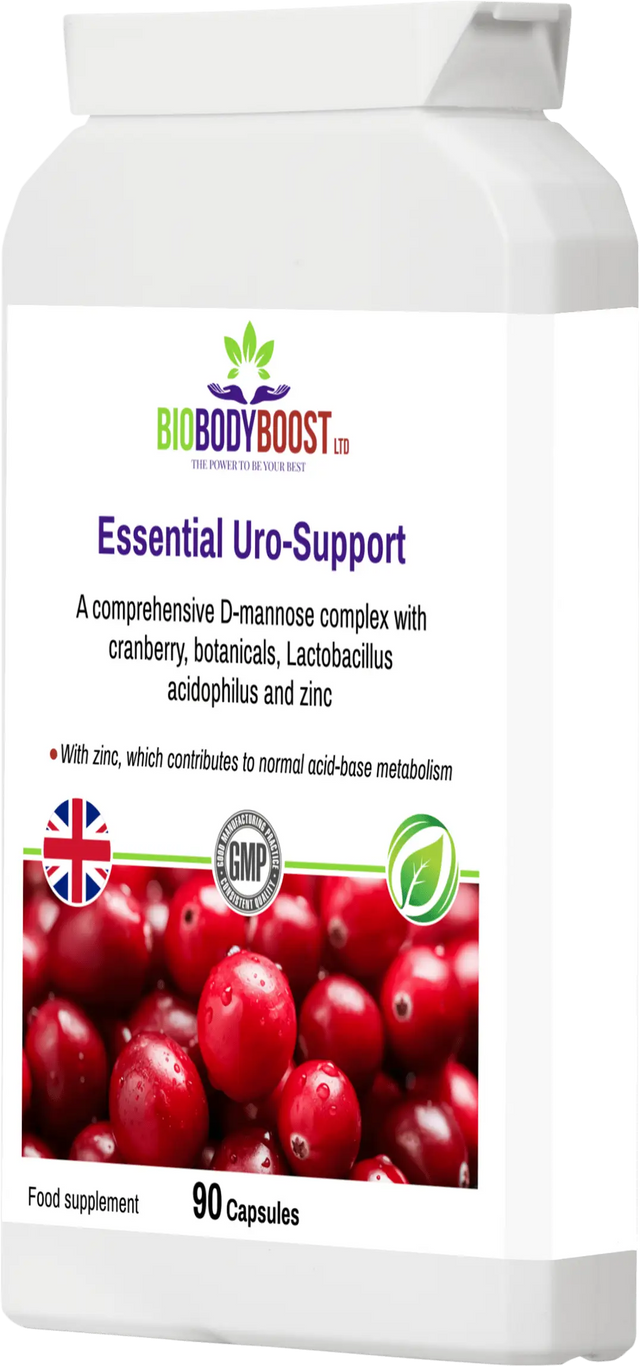
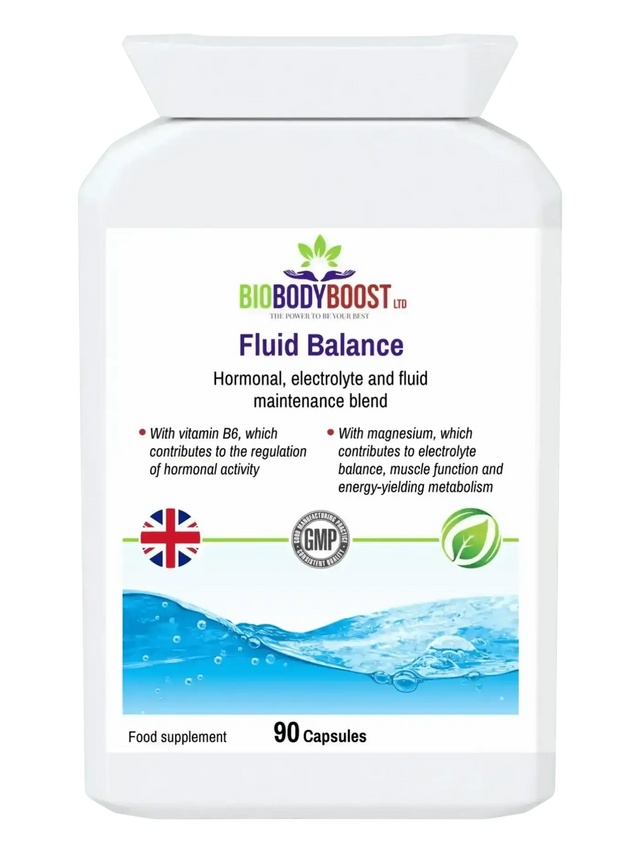
Targeted supplements are narrower and more purposeful. They are built around a particular outcome such as gut balance, joint comfort, heart support, better sleep, immune resilience or muscle recovery. Instead of spreading nutrients across lots of areas at modest levels, they focus on ingredients linked to one goal and often include botanicals, probiotics, amino acids or higher-strength vitamins and minerals.
That difference matters. A general formula may support daily maintenance, but it is rarely designed to shift a specific issue quickly. If your main concern is sluggish mornings, recurring digestive discomfort or post-gym soreness, a targeted approach is often more relevant.
When a multivitamin makes sense
A multivitamin works best when your aim is to build a dependable foundation. That is especially useful if your diet varies from week to week, you skip meals, avoid certain food groups or simply want a straightforward daily habit. It can also suit people who are just getting started with supplements and do not want to overthink every nutrient.
There is a practical appeal here. One capsule or tablet can support energy metabolism, immune function and general nutritional balance in a single step. For busy professionals, parents managing everyone else’s routine before their own, or anyone who wants a clean, no-fuss option, that simplicity is a genuine benefit.
The trade-off is precision. A multivitamin is designed for breadth, not depth. Amounts may be enough to maintain health, but not always enough to tackle a more specific problem. If you are looking for noticeable support with digestion, focus, hormone balance or training performance, a standard multivitamin may feel a bit too general.
When targeted supplements are the better fit
Targeted supplements come into their own when you have a clear goal and want ingredients chosen for that goal. If your digestion feels off after meals, a probiotic or gut support blend may do more than a multivitamin ever could. If you train regularly and recovery drags, a sports nutrition formula aimed at muscle repair and hydration makes more sense than a broad-spectrum daily vitamin.
This is where outcome-led supplementation becomes more useful. Instead of taking a little bit of everything, you take what is relevant. A focused blend can also be easier to assess. If you start a targeted supplement for joint mobility or immune support, it is usually clearer whether it is helping because the purpose is so defined.
That said, targeted does not automatically mean better. It only works if the target is correct. Taking several focused products without understanding your actual needs can become expensive, repetitive and unnecessarily complex.
Multivitamin vs targeted supplements for common health goals
If your priority is steady everyday support, the multivitamin route is often enough. It can help fill nutritional gaps and support normal body functions without requiring a detailed supplement plan.
If your priority is energy, the picture changes. Low energy can stem from poor sleep, stress, low iron, low B vitamins, under-eating or heavy training. A multivitamin may help if your intake is patchy, but a targeted formula may be more useful if the issue has a pattern.
For digestion, targeted support usually wins. General vitamins do not do much for bloating, irregularity or gut imbalance unless a deficiency is part of the problem. Probiotics, digestive support blends and fibre-focused formulas are built for that job.
For immunity, it depends on context. A multivitamin can provide baseline support, especially if your diet is lacking. But during high-stress periods, winter months or heavy physical load, a targeted immune blend with specific nutrients and botanicals may be more practical.
For recovery and performance, targeted formulas are usually the stronger option. Multivitamins can support general nutritional status, but they are not designed around muscle function, hydration, repair or endurance.
The quality question matters more than most people think
A cheap supplement with a long ingredient list can look impressive while delivering very little. Whether you choose a multivitamin or a targeted formula, quality changes the result. Form matters. Dosage matters. Ingredient synergy matters. And if a product upsets your stomach or is packed with unnecessary fillers, you are less likely to use it consistently.
This is especially relevant for people who want plant-based, clean-label options. Vegan-friendly formulas can be excellent, but they need thoughtful formulation rather than box-ticking. Third-party testing, transparent labelling and research-backed ingredients give you a much stronger foundation than marketing claims alone.
Good supplementation should feel like a daily upgrade, not a gamble. Better absorption, sensible dosages and no gut disruption are not extras. They are part of what makes a formula worth taking.
Can you take both?
Yes, in many cases you can. A multivitamin and a targeted supplement can work well together when they serve different purposes. For example, a multivitamin might cover nutritional basics, while a focused gut, joint or recovery formula supports a specific need.
The caution is overlap. If you stack products carelessly, you can end up doubling up on certain nutrients such as vitamin D, zinc, iron or magnesium. More is not always more effective. Sometimes it just pushes you past what you need.
If you want a combined approach, keep it intentional. Start with your baseline, then add one targeted product that solves a clear problem. That is usually more effective than building a complicated routine all at once.
How to decide what your body actually needs
Start with your real life rather than your ideal life. If your meals are inconsistent, vegetables are hit and miss and you are often running on empty, a multivitamin may be the best place to begin. It creates nutritional coverage while you work on the bigger picture.
If your diet is already fairly solid but one issue keeps showing up, go targeted. Maybe your digestion suffers during stressful weeks. Maybe your joints feel stiff after long desk days. Maybe your recovery is poor after training even though you eat well. Those are signs that a focused supplement may be more useful than broad nutritional insurance.
It also helps to think in timeframes. Multivitamins are often about maintenance. Targeted supplements are often about support with a purpose. One is not more advanced than the other. They simply solve different problems.
A smarter way to think about multivitamin vs targeted supplements
The best supplement plan is rarely the most crowded. It is the one that fits your needs, your diet and your routine well enough that you will actually stick with it. For some people, that means one clean, comprehensive multivitamin. For others, it means skipping the generalist option and choosing a targeted blend with a more obvious job to do.
BioBodyBoost takes the more practical view here: start with the outcome you want, then choose the simplest evidence-led route to support it. That might be broad support. It might be personalised support. What matters is that your routine feels purposeful, easy to maintain and aligned with how you want to feel day to day.
If you are standing in front of the supplement shelf wondering what belongs in your routine, ignore the noise and start with one honest question: are you covering general gaps, or are you trying to solve a specific problem? Your answer usually points to the right bottle.