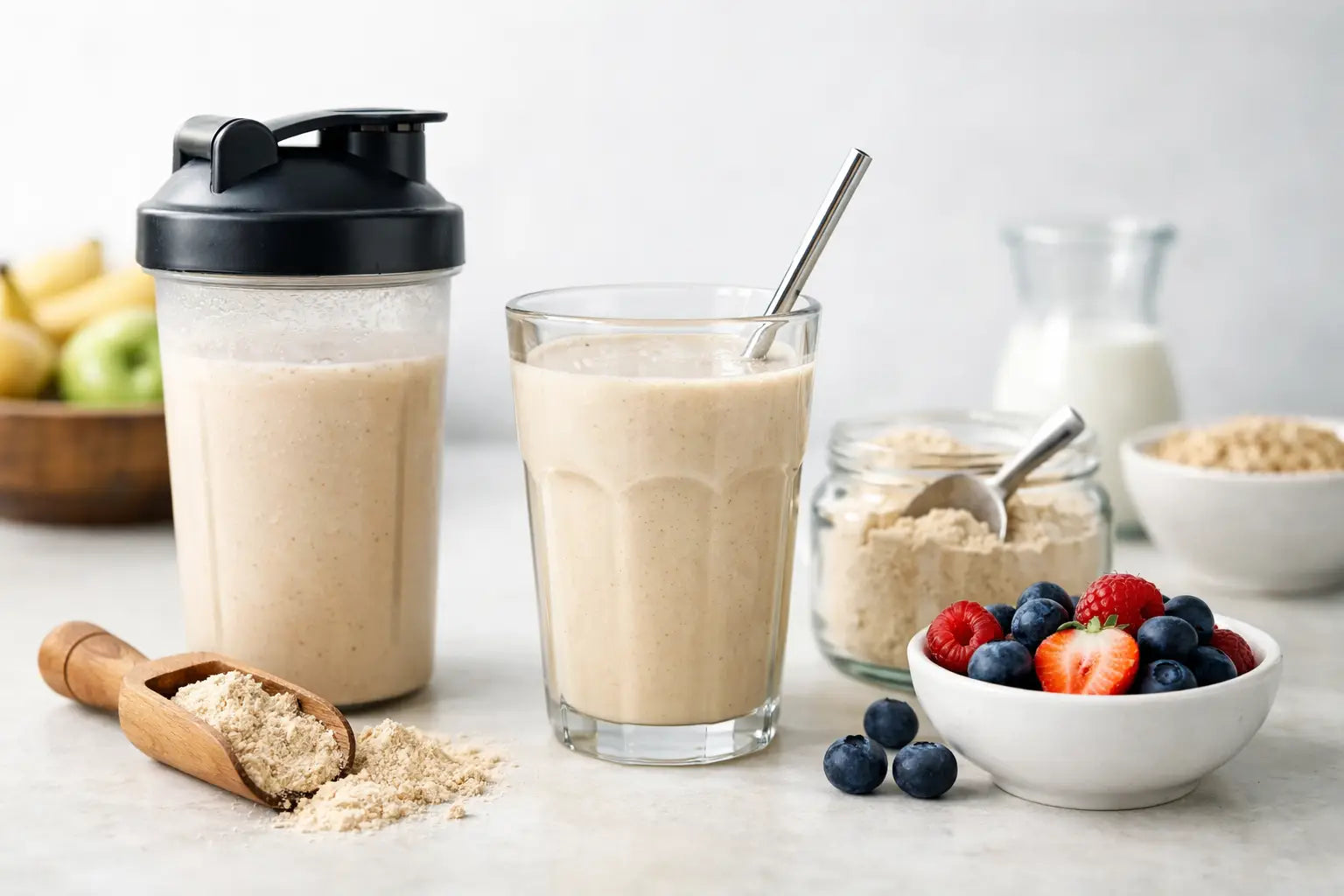
You usually know within three days whether a shake belongs in your routine or at the back of the cupboard. Day one tells you about taste. Day two tells you about digestion. Day three tells you whether it actually works when breakfast is rushed, lunch is delayed, and you need steady energy rather than a sugar spike. That is the real lens for any meal replacement shake review - not flashy claims, but how the formula performs in normal life.
For most people, a meal replacement shake is not about perfection. It is about control. A better option when work runs over, training cuts into lunch, or you want something lighter that still covers real nutritional ground. The best formulas support energy, satiety and convenience without leaving you bloated, jittery or hungry again an hour later. The weaker ones look impressive on the label but fall short where it counts.
How to read a meal replacement shake review properly
A useful review should go beyond protein grams and calorie counts. Those numbers matter, but they do not tell the whole story. A shake can be high in protein and still be poor at keeping you full if the fibre is low or the texture is thin. It can include a long vitamin list and still feel heavy if the blend is hard to digest.
Start with the job you need the shake to do. If you are replacing breakfast, you may want something easy on the stomach with enough protein and fibre to carry you to lunch. If it is for weight management, satiety matters more than sweetness. If it is post-training and also standing in for a missed meal, recovery support becomes more relevant. One formula rarely excels equally in every setting.
That is why context matters more than hype. A strong meal replacement shake review should ask whether the product fits daily life, not just whether it sounds scientific on the tub.
The ingredients that make a shake worth buying
The quality of a meal replacement shake starts with the base. Plant-based protein blends can work extremely well, especially when they combine sources rather than relying on one alone. This improves amino acid balance and usually creates a better texture. For many people, plant-based options also feel lighter and easier to tolerate than dairy-heavy formulas.
Carbohydrate quality matters too. A shake built around refined sugars may taste pleasant at first but often leads to a quick rise and drop in energy. A more balanced formula uses carbohydrates alongside fibre, protein and healthy fats so absorption is steadier. That tends to mean fewer cravings and a more even afternoon.
Micronutrients deserve attention, but more is not always better. A sensible, research-backed blend should support everyday nutritional coverage without turning into a kitchen-sink formula. Excessive fortification can look persuasive on the label while adding little practical value. What you want is balance, not noise.
Then there is the clean-label question. If you are using a shake regularly, ingredient standards matter. Vegan-friendly formulas, clearly listed allergens, and third-party testing all add confidence. So does avoiding unnecessary fillers, artificial colours and overly aggressive sweetening systems. A shake should feel like a practical nutrition tool, not a chemistry experiment.
Taste, texture and the reality of compliance
People often pretend taste is a bonus. It is not. If a shake tastes chalky, overly sweet or strangely synthetic, you will not stick with it. Compliance is part of effectiveness. The best formula on paper is useless if it becomes a once-a-month emergency option.
Texture plays a bigger role than many expect. A good shake should feel smooth enough to drink quickly, but substantial enough to register as a meal. Thin and watery usually means poor satisfaction. Overly thick can feel claggy and hard to finish. The sweet spot is a texture that feels complete without becoming hard work.
Flavour should also suit daily use. Strong dessert-style flavours can be enjoyable at first, then become tiring fast. More neutral or balanced flavour profiles often work better over time, especially if you rotate between water and plant milk or blend with fruit when you want variety.
Digestion can make or break the experience
This is where many products lose people. A shake can tick every nutrition box and still fail if it causes bloating, heaviness or urgent trips to the loo. If your goal is better daily performance, gut disruption is the opposite of useful.
Look closely at fibre content and source. Fibre helps with fullness and digestive regularity, but the wrong type or dose can be too much for sensitive stomachs. Sweeteners can also be a problem area. Some leave people with wind or discomfort, especially when used daily.
Plant-based formulas with thoughtful ingredient selection often do well here, particularly when they avoid dairy and keep the blend simple enough to digest comfortably. If you already know you react badly to certain gums, sugar alcohols or milk proteins, that should carry as much weight in a review as calories or protein.
A shake should support gut balance and daily digestion, not force you to manage side effects around meetings, school runs or training sessions.
What results should you realistically expect?
A meal replacement shake can help you feel lighter, more consistent and better fuelled. It can make calorie control easier, reduce reliance on grab-and-go food, and stop the energy dips that come from skipping meals. What it should not promise is instant transformation.
Weight management is a good example. A shake may help by making portions more predictable and reducing impulsive eating, but results still depend on your wider routine. Sleep, total intake, movement and stress all matter. Anyone promising dramatic fat loss from the shake alone is selling fantasy.
The same applies to energy. A well-formulated shake can deliver steadier fuel than a pastry and coffee, but if you are under-slept and overworked, no powder is fixing everything. Good products support better habits. They do not replace them.
That said, the everyday gains are often meaningful. Fewer skipped meals. Less bloating from poor food choices. Better control when workdays get chaotic. Stronger recovery when time is tight. Those are not glamorous outcomes, but they are the ones that make a product worth reordering.
Who benefits most from a meal replacement shake?
Busy professionals are obvious candidates because convenience matters, but they are not the only ones. Parents juggling work and family often need fast options that do not derail nutrition. People managing weight may value the structure. Gym-goers may use a shake when a full meal is not practical after training.
There is also a group often overlooked in reviews: people who want a lighter meal without sacrificing nutritional intent. Not every shake user is trying to lose weight. Some simply want a cleaner, easier option that supports focus, digestion and routine.
The right fit depends on expectation. If you want the sensory experience of a cooked meal, a shake will always feel like a compromise. If you want speed, portion control and convenience with sensible nutrition, it can be a smart daily upgrade.
A practical meal replacement shake review checklist
When judging a product, ask four simple questions. Does it keep you full for a reasonable stretch? Does it sit well on your stomach? Does the ingredient profile match your standards? And can you honestly see yourself using it most days?
After that, the smaller details matter. Check sugar levels. Check fibre. Consider whether the protein source suits you. Think about how it mixes and whether the flavour will still appeal after two weeks, not just two sips. Research-backed formulation and third-party testing are strong trust signals, especially if you are trying to avoid guesswork.
For buyers who prioritise plant-based, clean-ingredient options, this is where brands like BioBodyBoost can make more sense than generic, mass-market formulas. The goal is not just to replace a meal. It is to do it in a way that supports long-term health, better absorption and daily consistency.
Price matters too, but it should be judged against use. A cheaper shake that leaves you hungry and snacking by mid-morning may cost more in practice. A better formula that genuinely replaces a meal can offer stronger value even at a higher price point.
The trade-offs nobody should ignore
There is no perfect shake. Higher protein can sometimes mean a denser texture. More fibre can improve fullness but challenge sensitive digestion. Natural sweetening can taste less punchy than artificial flavour systems. Cleaner labels may come with a slightly higher price.
That is normal. The smartest choice is the one that matches your priorities. If you care most about gut comfort, choose for digestibility first. If you need appetite control, satiety should lead. If ethical dietary compatibility matters, vegan and allergen-conscious formulation should be non-negotiable.
A strong review does not chase absolutes. It helps you find the best trade-off for your routine.
If you are considering a meal replacement shake, think less about marketing promises and more about how you want to feel after drinking it - steady, satisfied, clear-headed and ready to get on with the day. That is the standard worth buying for.