
That after-lunch bloat, the heavy feeling that lingers into the afternoon, the sense that your stomach is working harder than it should - this is exactly where a guide to digestive support supplements becomes useful. Not because every digestive wobble needs a supplement, but because the right support can make daily digestion feel lighter, calmer and more predictable when food, stress and routine are pulling things off track.
Digestive health is rarely one simple issue. For some people, it is sluggishness and irregularity. For others, it is bloating after meals, discomfort after richer foods, or a gut that seems to react badly when life gets busy. That is why choosing digestive support should start with the outcome you want, not the trendiest ingredient on the label.
What digestive support supplements are really for
Digestive support supplements sit in a practical middle ground. They are not a replacement for medical care, and they are not a shortcut around a low-fibre diet or erratic eating habits. What they can do is support the normal processes involved in breaking down food, maintaining gut balance and helping you feel more comfortable day to day.
The main categories tend to be probiotics, prebiotics, digestive enzymes, fibre blends and herbal or botanical formulas. Each works differently. Some focus on the gut microbiome, some support regular bowel movements, and some are aimed more at post-meal comfort. If you have ever tried one product and thought, that did absolutely nothing, the issue may not have been supplements in general. It may simply have been the wrong type for your goal.
Guide to digestive support supplements by goal
A better way to shop is to match the formula to the problem you are trying to solve.
If bloating is the main issue, the first question is when it happens. Bloating after heavy or high-protein meals may point towards a need for digestive enzymes. These blends are designed to help break down components of food such as proteins, fats and carbohydrates. They can be especially useful for people who feel overly full after eating or notice discomfort with larger meals. They are less likely to be the answer if your bloating is tied to stress, irregular bowel habits or highly processed food.
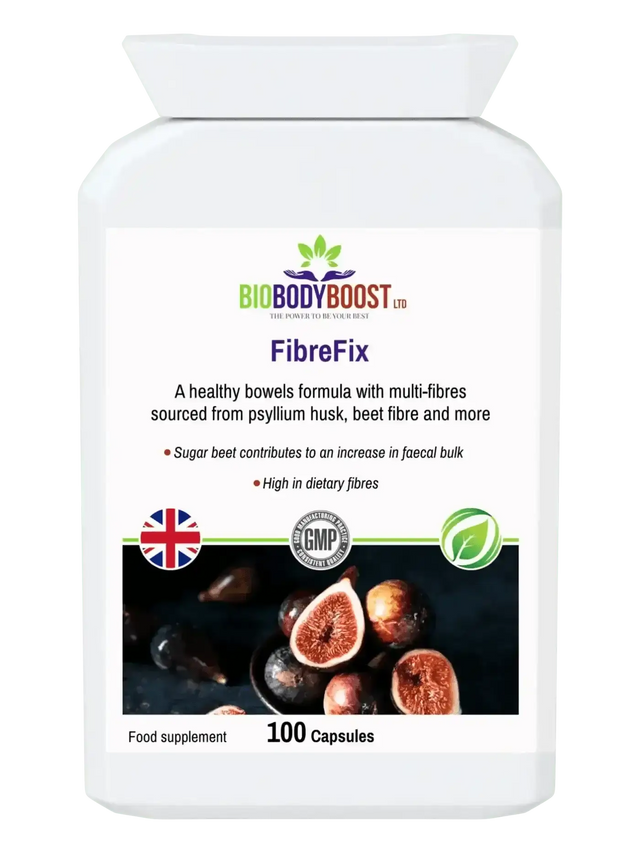
If your digestion feels sluggish and you are not going regularly, fibre support may make more sense. Fibre is one of the most common gaps in modern diets, especially for busy adults eating on the go. A good fibre supplement can help support bowel regularity and stool consistency, but there is a trade-off. Too much too quickly can make bloating worse before things improve. Starting low, drinking enough water and building up gradually usually works better than hitting your system with a large dose on day one.
If your gut feels unsettled after antibiotics, travel, stress or routine changes, probiotics may be the better fit. These are live bacteria used to support the balance of the gut microbiome. Not all probiotic formulas are the same, and that matters. Different strains are studied for different outcomes, so a broad, research-backed blend with clear strain information is usually a stronger choice than vague marketing language.
If you want to nourish beneficial gut bacteria rather than adding more bacteria directly, prebiotics come into play. These are fibres or compounds that feed the good bacteria already living in the gut. They can be helpful, but they are not always the best place to start if you are already very bloated, because some people are sensitive to fermentable fibres.
Herbal digestive blends often sit alongside these categories rather than replacing them. Ingredients such as ginger, fennel or peppermint are commonly used for digestive comfort and can be useful for that heavy, unsettled feeling after meals. The benefit here is often about how you feel in the moment - lighter, less crampy, less uncomfortable - rather than changing the microbiome over time.
How to read labels without getting distracted
The best digestive supplement labels are usually the clearest ones. If a product promises every possible result at once, that is often a sign to pause.
With probiotics, look for named strains, not just a headline number. Billions of CFU can sound impressive, but a huge number is not automatically better if the strains are poorly chosen or stability is weak. Shelf stability, storage instructions and third-party testing all matter because they speak to whether the formula is likely to deliver what the label claims.
With digestive enzymes, scan for the actual enzyme types included. A generic enzyme blend tells you less than a formula that shows whether it contains support for protein, carbohydrate, fat or lactose digestion. This is where matching the product to your meals becomes more important than chasing the biggest dose.
With fibre, the source matters. Some fibres are better known for regularity, while others are more closely linked to feeding beneficial bacteria. Texture, taste and mixability also matter more than people think. If a supplement is awkward to take every day, consistency tends to fall apart within a week.
For herbal blends, quality and simplicity count. Clean-label formulas with well-selected botanicals often make more sense than products packed with unnecessary fillers, artificial colours or overcomplicated combinations. For many people, especially those with dietary preferences or restrictions, vegan-friendly and clearly tested formulas are part of the trust equation, not an optional extra.
When a supplement is worth trying - and when it probably is not
Supplements tend to work best when the problem is mild to moderate and linked to everyday habits. Think rushed lunches, low fibre intake, post-holiday routine changes, stress-related digestive disruption or richer meals than usual. In these cases, the right product can act like a useful daily upgrade.
They are less likely to help if your symptoms are severe, persistent or unexplained. Ongoing pain, blood in the stool, unexplained weight loss or sudden changes in bowel habits deserve medical advice, not a speculative basket of gut support products. Confidence is useful. Guesswork is not.
It also helps to be realistic about timing. Enzymes and some herbal formulas may be noticed quite quickly because they work around meal digestion or digestive comfort. Probiotics and prebiotics usually need more consistency. Fibre may help within days for some people, but the best results often come when it becomes part of a broader routine rather than a quick fix.
Building a routine that actually supports your gut
The smartest supplement routine is rarely the most complicated one. If your digestion is generally decent but dips under pressure, one well-matched supplement may be enough. If you have a more specific goal, such as improving regularity while also supporting the microbiome, combining categories can work - but only when the doses and ingredients make sense together.
A simple starting point is to choose one main focus. If regularity is the issue, begin with fibre support. If post-meal heaviness is the issue, trial digestive enzymes. If your gut feels disrupted after stress or antibiotics, look at a quality probiotic. Give it enough time to judge properly, and keep the rest of your routine fairly steady so you can tell what is helping.
Food still does most of the heavy lifting. More plants, enough fluids, slower eating and a bit less chaos around meals can improve how supplements perform. A clinically-researched formula can support digestion well, but it will always work better alongside habits that give your gut a fair chance.
For people with dietary restrictions, ingredient clarity is especially valuable. Plant-based formulas, allergen awareness and clean-label standards help reduce decision fatigue and make daily use easier. This is one reason brands such as BioBodyBoost put so much focus on research-backed, third-party tested options that fit modern dietary standards without adding unnecessary complications.
Common mistakes people make with digestive support
One of the biggest mistakes is taking too much too soon. This is especially common with fibre and some probiotic blends. More is not always better, particularly for a sensitive gut.
Another is changing five things at once. If you start a probiotic, switch to a high-protein diet, add magnesium and begin drinking meal replacement shakes all in the same week, it becomes almost impossible to know what your digestion is reacting to.
The third is choosing based on hype instead of symptoms. A product can be well formulated and still be wrong for you. The better question is not what is popular. It is what outcome you want by next week and over the next three months.
A more useful way to choose
A strong guide to digestive support supplements should leave you with a simpler decision, not more noise. Start with the problem you can actually name. Bloating after meals, irregularity, a disrupted gut after antibiotics, or that heavy feeling that makes you want to unbutton your jeans by 3 pm. Then match the formula to that need, check the label properly and give it time to do its job.
Gut support works best when it feels practical, not performative. Choose clean ingredients, look for evidence over hype, and build from one smart daily habit at a time. Feeling lighter, steadier and more comfortable after meals is not a lofty wellness fantasy. For many people, it is the result of choosing support that actually fits.