Histamine intolerance is an underdiagnosed condition in the UK — frequently confused with food allergy, IBS, rosacea and migraine. Unlike allergies (which involve immune responses to specific allergens), histamine intolerance results from accumulated histamine exceeding the body’s enzymatic degradation capacity — primarily because of insufficient diamine oxidase (DAO) enzyme activity. Understanding this distinction is essential for choosing the right dietary and supplement approach.
What Is Histamine and Why Does It Accumulate?
Histamine is a biogenic amine produced by the body and found in many foods. Normally, histamine from food is rapidly degraded in the intestinal wall by DAO before it enters systemic circulation. When DAO activity is insufficient — due to genetic variants, gut inflammation, alcohol use or certain medications — histamine accumulates and produces symptoms.
Symptoms of Histamine Intolerance
- Head and face — headaches, migraines, facial flushing, congestion, runny nose
- Skin — hives, eczema flares, rosacea-like flushing
- Gut — bloating, diarrhoea, nausea, abdominal cramps
- Cardiovascular — heart palpitations, blood pressure changes
- Neurological — anxiety, difficulty sleeping, brain fog
High-Histamine Foods That Trigger Symptoms
- Fermented foods — aged cheese, yoghurt, sauerkraut, kefir, kombucha, soy sauce, vinegar
- Cured and processed meat — salami, bacon, ham, smoked fish
- Alcohol — especially red wine, beer and champagne (also directly inhibits DAO)
- Leftover meat and fish — histamine levels rise significantly as proteins age
- Spinach, tomatoes, aubergine, avocado
- Certain fruits — strawberries, kiwi, citrus, pineapple, banana
DAO Inhibitors
- Alcohol (all forms)
- Tea (black, green) and some herbal teas
- Certain medications — NSAIDs, some antidepressants, metformin, codeine
Which Supplements Help Histamine Intolerance?
Vitamin B6 — DAO cofactor
DAO requires pyridoxal-5-phosphate (vitamin B6) as a cofactor for its enzymatic activity. B6 deficiency directly impairs DAO function. Supplementing B6 at maintenance doses (2–10mg daily) supports DAO activity. Important: high-dose B6 (above 50mg daily) can cause neuropathy — stay within safe ranges.
Vitamin C — histamine degradation support
Vitamin C increases DAO enzyme expression and has direct histamine-degrading properties. Research found vitamin C supplementation significantly reduced serum histamine levels in healthy adults. Taking vitamin C before high-histamine meals may reduce symptom severity.
Quercetin — mast cell stabiliser
Quercetin stabilises mast cells — reducing histamine release at the source. Multiple in vitro and some human studies confirm quercetin reduces histamine secretion. Natural quercetin food sources (apples, onions, capers) are compatible with low-histamine diets.
Probiotics — with important caveats
Some probiotic strains produce histamine (Lactobacillus casei, L. bulgaricus, L. reuteri) — people with histamine intolerance may react to standard probiotic supplements. Histamine-neutral strains include Lactobacillus rhamnosus GG and Bifidobacterium infantis.
Copper — DAO cofactor
DAO is a copper-containing enzyme. Copper deficiency impairs DAO activity. For people on high-dose zinc supplements without copper, addressing copper status may improve DAO function.
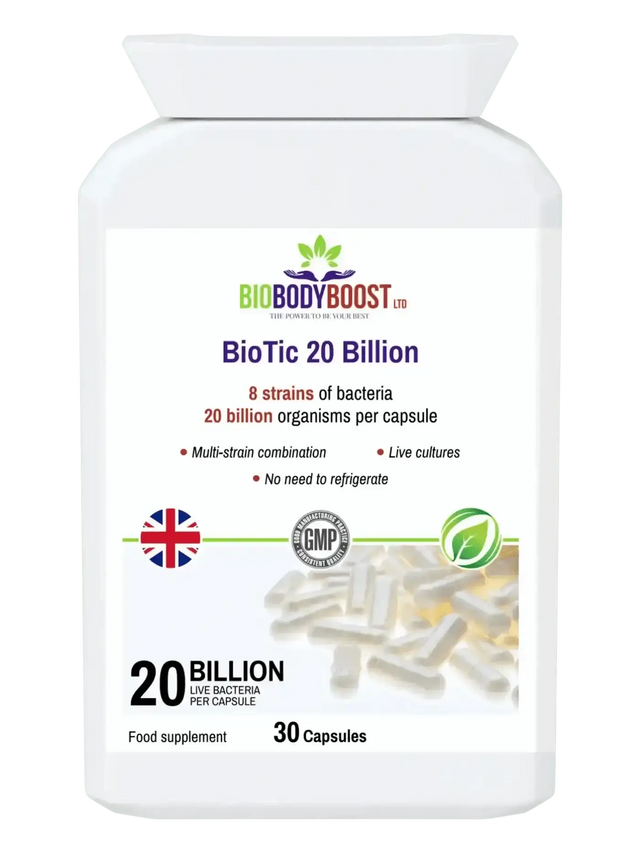
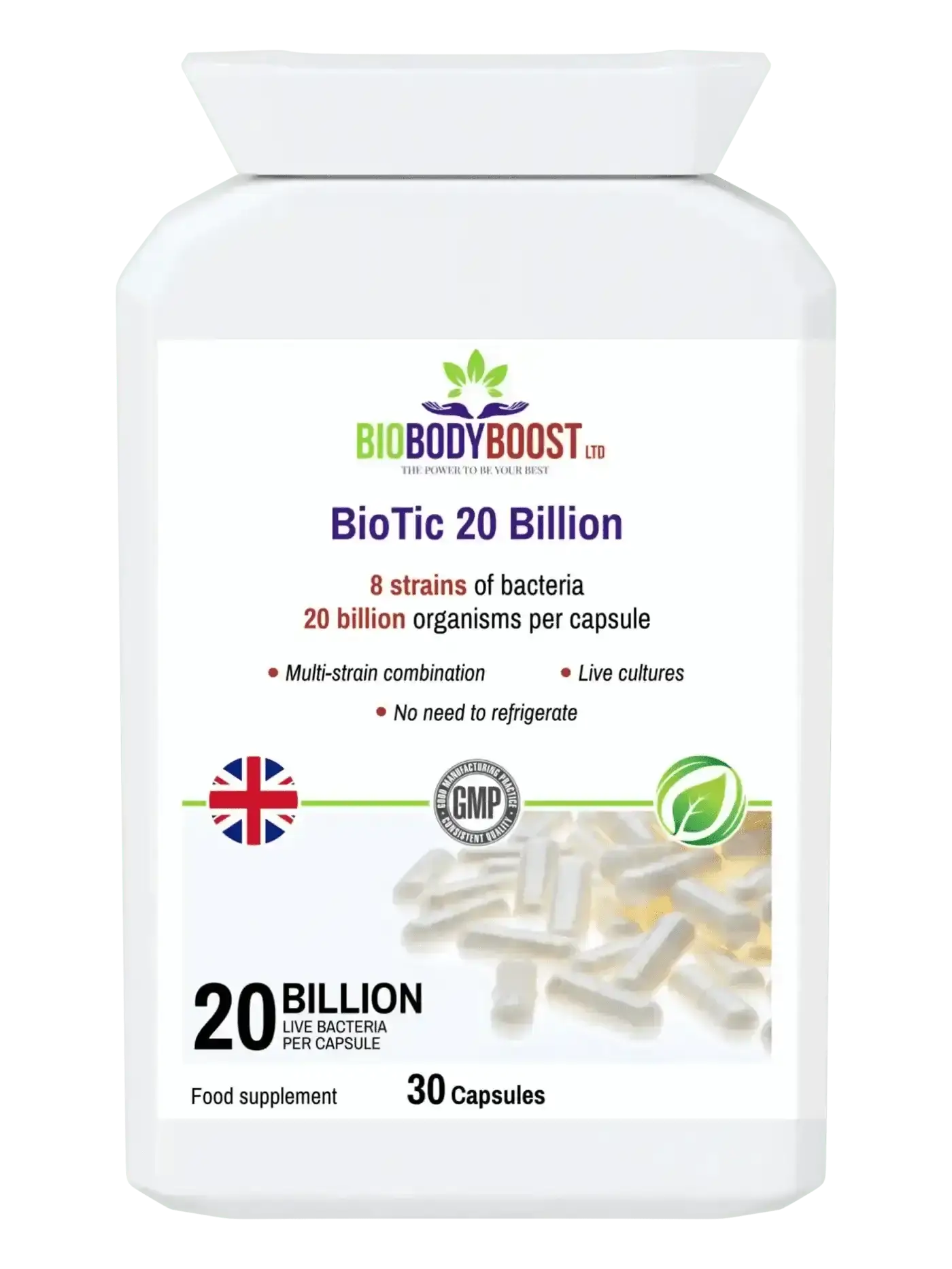
For gut barrier and DAO support: BioTic 20 Billion — check individual strain list for histamine-neutral strains. Liposomal Vitamin C — for DAO enzyme support. Magnesium 3 Complex with B6 — for DAO cofactor support. All halal certified, UK GMP. Browse the gut health range.
What is histamine intolerance and how is it different from a food allergy?
Histamine intolerance is not an immune-mediated allergy — it is an accumulation problem. The body cannot break down histamine fast enough due to insufficient diamine oxidase (DAO) enzyme activity, causing symptoms when histamine load from food exceeds DAO capacity. Standard allergy tests (IgE specific, skin prick) are negative. Symptoms are dose-dependent: small amounts are tolerated, symptoms appear above a personal threshold. Food allergies produce consistent symptoms to specific foods regardless of quantity; histamine intolerance symptoms vary with the total histamine load across all foods eaten in a day.
Which probiotics are safe for histamine intolerance?
Some probiotic strains produce histamine in the gut and can significantly worsen histamine intolerance symptoms — particularly Lactobacillus casei, L. bulgaricus, L. reuteri and L. helveticus. Strains with histamine-neutral or histamine-degrading properties include Lactobacillus rhamnosus GG (LGG), Bifidobacterium infantis and Bifidobacterium longum. Check the strain list on any probiotic before purchasing if you have histamine intolerance. BioTic 20 Billion’s strain list is declared per product page — verify before use.
Does vitamin C help histamine intolerance?
Yes — vitamin C both increases DAO enzyme expression and has direct histamine-degrading properties. Research found vitamin C supplementation significantly reduced serum histamine in healthy adults. It is one of the most practical supplements for histamine intolerance support, particularly taken before high-histamine meals. Liposomal vitamin C at 500mg provides enhanced bioavailability compared to standard ascorbic acid, meaning more reaches systemic circulation. Avoid high-dose C from effervescent tablets (often contain citric acid from citrus, which can be a histamine liberator in sensitive individuals).
What foods should I avoid with histamine intolerance?
Avoid or reduce: fermented foods (aged cheese, yoghurt, sauerkraut, kombucha, soy sauce, vinegar), cured and processed meat (salami, bacon, smoked fish), alcohol (particularly red wine and beer, which also inhibit DAO directly), leftover meat and fish (histamine levels rise as proteins age), spinach, tomatoes, avocado, aubergine and certain fruits (strawberries, kiwi, citrus, pineapple). DAO inhibitors that worsen symptoms without being high in histamine themselves: alcohol, black and green tea, and certain medications (NSAIDs, some antidepressants, metformin, codeine). The threshold varies individually — keeping a food and symptom diary to identify personal triggers is more useful than blanket elimination.