
Finding supplements that match both your health goals and your values can get fiddly fast. A product says vegan on the front, then you turn the label over and start questioning the capsule, the vitamin source, or whether the finished formula is actually suitable for a halal lifestyle. If you are shopping for halal vegan supplements UK buyers can rely on, the smartest move is not to chase big claims. It is to know exactly what makes a supplement genuinely compatible, well-formulated, and worth taking every day.
What halal vegan supplements UK shoppers should actually look for
Vegan and halal are not interchangeable. A vegan formula excludes animal-derived ingredients, but that does not automatically confirm halal suitability. Equally, a halal-friendly product may still include non-vegan ingredients such as gelatine, collagen, or fish oil. If you need both boxes ticked, you have to read more carefully than the front label.
Start with the obvious point - the ingredient list. Gelatine capsules are an immediate no. So are ingredients such as shellac, carmine, collagen, and certain omega sources from fish. After that, look at the less visible parts of the formula. Vitamin D can come from lanolin, which is vegetarian-friendly in some cases but not vegan. Magnesium stearate is often vegan, but not always clearly stated. Natural flavourings and processing aids can also create grey areas if a brand gives very little detail.
This is where clean-label brands stand out. When a company is clear about its sourcing, testing, and formulation standards, you spend less time second-guessing the basics. Third-party testing matters here too. It does not replace halal certification, but it does add another layer of trust around purity, consistency, and label accuracy.
Why the source of nutrients matters
A good supplement is not just about what nutrient is included. It is about the form, the source, and how well it fits your routine.
Take omega support. Many people want the everyday benefits associated with omega-3, but fish oil is off the table if you want a vegan formula. Algal oil is the plant-based alternative that makes sense. It gives you a direct source of DHA and often EPA without compromising vegan standards.
The same logic applies to vitamin D. If you want a truly vegan option, D3 sourced from lichen is usually the better fit than D3 from lanolin. For iron, some people do well with standard forms, while others find gentler iron bisglycinate easier on the stomach. If you already deal with bloating or digestive sensitivity, that difference matters more than marketing language.
This is why choosing halal vegan supplements in the UK should be practical, not performative. The best formula is the one you will actually take consistently, absorb well, and feel comfortable using long term.
The nutrients most people are really shopping for
For most adults, the search usually starts with a health outcome rather than a nutrient. You want more stable energy, better immune support, improved digestion, or less post-training soreness. That is the right way to think about it.
If low energy is the issue, B vitamins, iron, and vitamin D often come up first. But context matters. A busy professional skipping meals has different needs from someone training hard several times a week. If digestion is your sticking point, probiotics, digestive support blends, and magnesium may be more relevant than a broad multivitamin. If your goal is recovery and daily performance, plant protein, magnesium, and anti-inflammatory botanical support can be more useful than another generic capsule with a long list of underdosed ingredients.
Immune support is another area where people often overbuy. You do not always need five separate products. A focused formula with vitamin C, vitamin D3, zinc, and selected botanicals may be more sensible than stacking multiple supplements that duplicate the same nutrients.
For families, the calculation changes again. Taste, ease of use, and digestive tolerance become just as important as the ingredient profile. A powder, chewable, or easy-swallow capsule may be the difference between a product that sits in the cupboard and one that becomes part of the daily routine.
How to read a supplement label without overthinking it
You do not need a nutrition degree to spot a quality formula. You just need to know what signals are worth your attention.
First, check the active ingredients and their amounts. If a product promises visible benefits but only includes tiny amounts of the key compounds, that is a red flag. Next, look at the capsule or delivery format. A vegan capsule should be clearly stated. Then check for fillers, sweeteners, and unnecessary additives. A long list of extras does not automatically make a supplement bad, but if you are aiming for a cleaner daily routine, fewer unnecessary ingredients is usually better.
The wording around claims matters too. Phrases like research-backed and clinically-researched should point to a sensible formula, not just impressive copy. Brands that take quality seriously tend to explain why they chose certain nutrient forms, how they test products, and who the formula is designed for.
That matters because there is no single best supplement for everyone. Someone wanting gut balance and daily digestion may need a very different product from someone focused on muscle recovery, mobility, or stress resilience and emotional clarity.
Common trade-offs to think about before you buy
This is the part many articles skip. Sometimes the cleanest-looking product is not the most effective one for your needs. Sometimes the strongest formula is not the gentlest on your stomach. Sometimes a fully loaded blend sounds impressive but gives you overlapping ingredients you do not need.
Price is another real trade-off. Higher-quality sourcing, better nutrient forms, and third-party testing can push the cost up. For many people, that extra spend is worth it if the product performs well and fits their dietary standards. But not everyone needs a premium blend for every goal. If your basics are covered with a well-made vitamin D, B12, omega, or probiotic, that may be a smarter move than buying multiple trend-led products at once.
Convenience matters as well. If you hate taking large capsules, a brilliant formula in the wrong format is still the wrong formula. If powders work better for your mornings, or if a simple once-daily capsule helps you stay consistent, choose the option you will genuinely stick with.
When tailored support makes more sense
There are times when a general multivitamin is not enough. If you follow a restricted diet, train intensely, deal with regular digestive discomfort, or are trying to support several goals at once, a more tailored approach can save time and guesswork.
This is where structured shopping by health goal becomes useful. Instead of scrolling through random products, you can narrow your options by what you actually want to improve - immune resilience, digestive comfort, recovery, mobility, daily energy, or family wellness. For people with ethical or dietary restrictions, that kind of filtering removes a lot of decision fatigue.
A personalised route can also help if you are trying to avoid the common supplement trap of taking too many things with no clear purpose. A cleaner stack, built around your real needs, is usually easier on your budget and your routine.
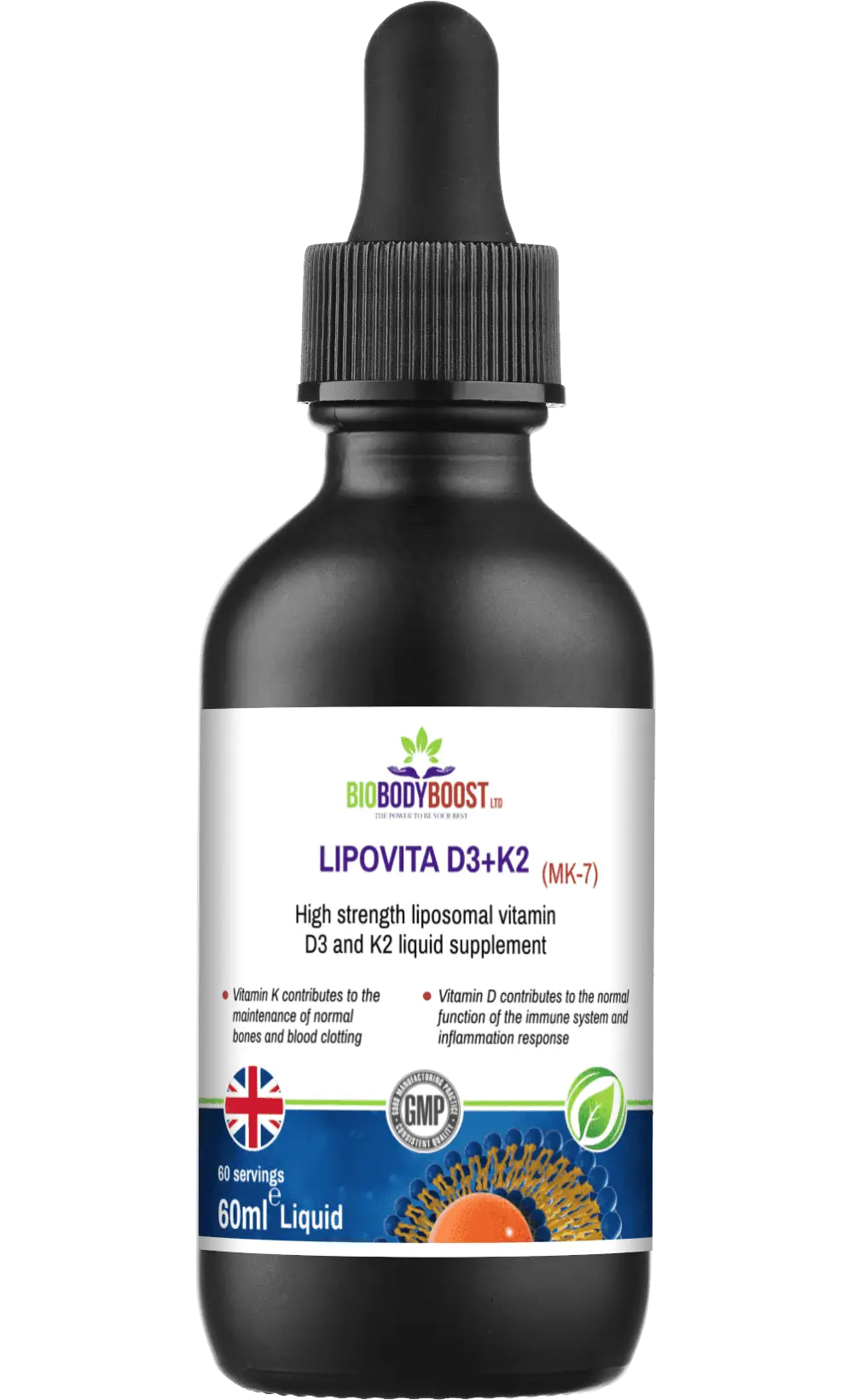
If you are looking for a place to start, BioBodyBoost keeps this process straightforward with plant-based formulas, clear category browsing, and a focus on research-backed, third-party tested standards.
A smarter way to shop for halal vegan supplements UK
The best halal vegan supplement is not the one with the loudest label. It is the one that respects your dietary standards, uses credible ingredient sourcing, and delivers support you can actually feel in day-to-day life.
That could mean a lichen-based vitamin D for darker winter months, an algal omega for plant-based brain and heart support, a gut-friendly probiotic for post-meal bloating, or a recovery blend that helps take the edge off soreness after training. It depends on your goal, your routine, and how your body responds.
So keep the process simple. Check the source. Check the capsule. Check the formulation quality. Then choose products that fit your real life, not just your intentions. The right supplement should make healthy habits easier to keep - and that is where better results usually start.


