You can eat well, train regularly, and still feel like you are always the one who gets run down first. Often it is not one big problem - it is a few small gaps that add up: poor sleep, stressy weeks, low vitamin D through winter, and a diet that is healthy but not always consistent.
That is where vegan immune support supplements can genuinely help. Not as a magic shield, but as a daily, clean-label way to support your body’s natural defences, especially when routine, work and family life do not leave much room for perfection.
What “immune support” actually means
Your immune system is not a single switch you can turn “up”. It is a network that needs raw materials, recovery time, and steady signals from your gut, hormones and nervous system. When brands talk about “boosting immunity”, what you really want is immune resilience: fewer dips, better recovery, and less time feeling flat.The most useful supplements for immune support tend to fall into three groups. First are nutrients that are easy to run low on (vitamin D, zinc, selenium, B12). Second are gut-focused supports (probiotics, prebiotic fibres, sometimes digestive enzymes) because a huge portion of immune activity is linked to the gut. Third are targeted botanicals and functional compounds (such as beta-glucans from yeast, or certain mushroom extracts) that have research behind how they interact with immune cells.
If you are vegan, you also have an extra filter: the supplement has to be truly plant-based, cleanly formulated, and ideally designed for good absorption - because a low-quality capsule that looks great on a label is still a waste of money.
Why vegan immune support supplements are a smart choice
A vegan formula is not automatically better, but it does remove common conflicts: gelatin capsules, animal-derived vitamin D3 (from lanolin), and omega oils sourced from fish. For many people, the bigger win is consistency. When a supplement matches your ethics and dietary rules, you are more likely to take it daily, and immune support is all about daily inputs.There is also a “tolerance” angle. Clean, plant-based formulas tend to avoid heavy fillers, artificial sweeteners and unnecessary additives that can leave sensitive stomachs feeling worse. Immune support should not come with gut disruption - if a product makes you bloated, nauseous or wired, it is not supporting your system.
The non-negotiables: the core immune nutrients
If you want a simple starting point, begin with the basics that most UK adults struggle to keep optimal year-round.Vitamin D (especially in the UK)
For much of the year, sunlight is not enough in the UK to maintain strong vitamin D status. Vitamin D helps regulate immune responses rather than simply “stimulating” them, which is exactly what you want for day-to-day resilience.Two practical tips make a difference here. First, look for vegan D3 sourced from lichen, not D3 from lanolin. Second, pay attention to dose. Many people do well in the 1,000 to 2,000 IU range daily, but your best dose depends on lifestyle, skin exposure and blood levels.
Zinc, but not too much
Zinc is one of the most popular immune minerals for a reason. It supports normal immune function and helps with tissue repair. The trade-off is that more is not always better. High-dose zinc, taken for long periods, can interfere with copper balance and may upset the stomach.A sensible daily supplement dose is usually moderate, taken with food. If you want a short, higher-dose approach during intense periods (heavy training blocks, lots of travel, winter bugs going round), keep it short-term and return to a steady baseline.
Selenium and B12
Selenium supports antioxidant systems that protect cells under stress. You can get it from Brazil nuts, but intake can be inconsistent, and the selenium content of foods varies. A low-dose supplement can be a tidy way to avoid gaps.B12 is not optional for vegans. Even if you eat fortified foods, a reliable B12 supplement is a foundation for energy metabolism and overall wellbeing - and feeling depleted is not a great setup for immune resilience.
Gut-first immune support (because immunity starts there)
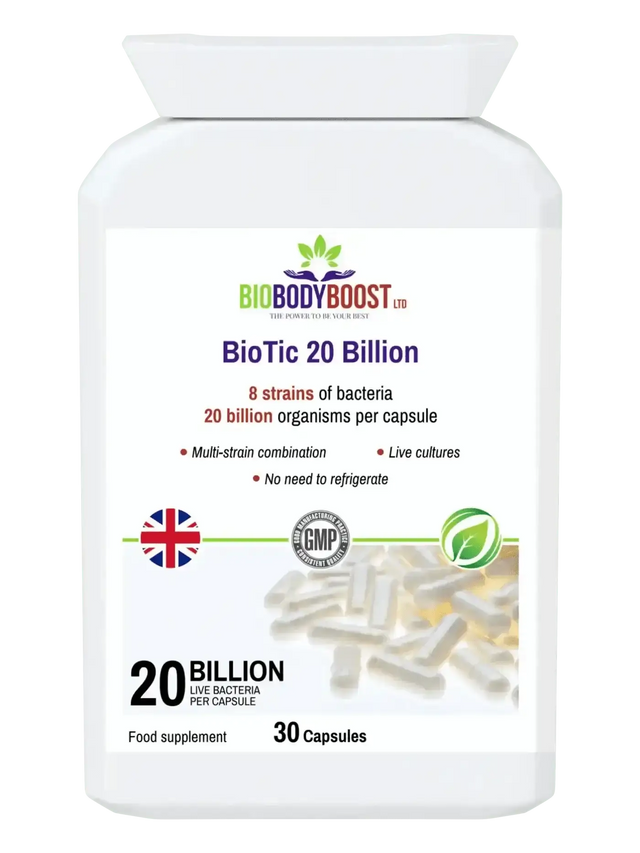
If your digestion is unpredictable, your immune “stack” should not start with exotic botanicals. Start with gut balance.A well-chosen vegan probiotic can support the gut barrier and help maintain a healthy microbial balance. The details matter, though. Different strains do different jobs, and some people feel best with multi-strain blends while others do better with a simpler formula.
It also depends on your starting point. If you have frequent bloating, irregular stools or discomfort after meals, probiotics may help but you may also need prebiotic fibre, more hydration, and a slower ramp-up. Taking a full-strength probiotic on day one can be too much for sensitive guts.
If you want a clean way to support both digestion and immune resilience, consider pairing a probiotic with gentle prebiotic fibres through food first (oats, onions, garlic, legumes if tolerated). Supplements should make your routine easier, not more complicated.
Botanicals and functional compounds worth your attention
This is the part people usually jump to first, but it works best after you have the basics covered.Beta-glucans
Beta-glucans are natural fibres found in yeast and certain fungi. They are studied for how they interact with immune cells in the gut-associated lymph tissue. The benefit-led way to think about them is “better prepared, not over-stimulated”. They can fit well into a daily routine during seasons when you want extra support.Medicinal mushrooms (with a quality check)
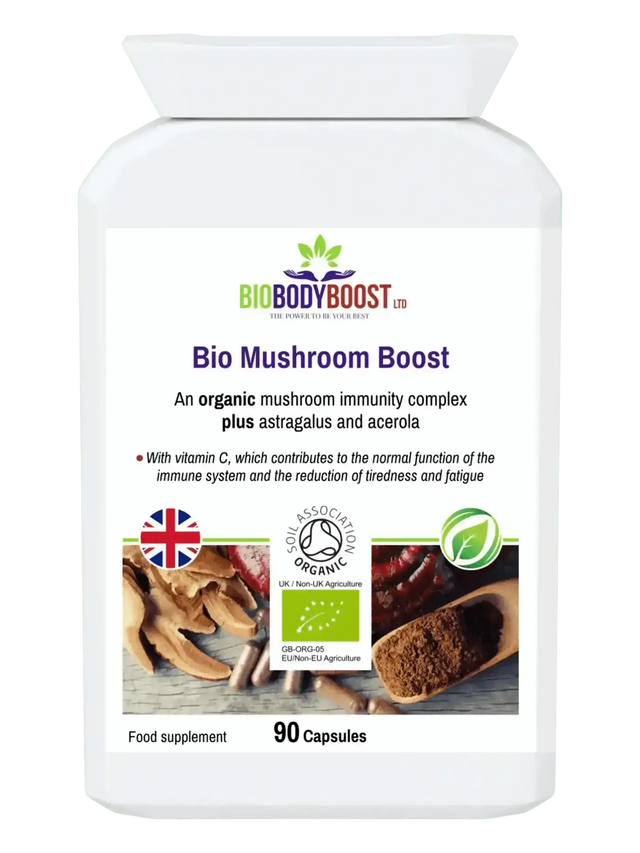
Reishi, shiitake, maitake and cordyceps are popular, and for good reason. They contain polysaccharides and other compounds that have been researched for immune and stress resilience support. The catch is quality. “Mushroom powder” can mean a lot of things. Extracts are often more concentrated and consistent than simple ground powders.If you are choosing a mushroom-based supplement, look for clear labelling around extract ratios or standardisation, and avoid formulas that hide behind vague “proprietary blends”.
Vitamin C, with realistic expectations
Vitamin C is useful, but it is not a solo solution. Many people already get a fair amount from fruit and veg. Supplementing can make sense when your diet is inconsistent or your training load is high, but mega-doses can cause digestive upset. A steady, moderate dose is often the better play.Adaptogens for the stress-immune connection
A lot of “immune issues” are actually stress issues. Poor sleep and high cortisol can leave you feeling worn down even if your nutrient intake looks fine on paper. Certain adaptogens and calming botanicals can support stress resilience, which indirectly supports immune function.This is an “it depends” category. If you feel tired but wired, or your sleep is light, a stress-support blend may do more for your immune resilience than yet another high-dose immune tablet.
What to look for on a label (and what to ignore)
The most convincing immune product is not the one with the longest ingredients list. It is the one you can take daily without side effects, with dosages that make sense.Third-party testing is a strong trust signal, particularly for botanicals and complex blends where contamination and variability can be an issue. Clean-label matters too - fewer unnecessary fillers, no questionable colourings, and vegan capsules.
Be cautious with products that lean heavily on hype phrases but provide no real detail on forms and amounts. With minerals, the form can change tolerability and absorption. With herbs and mushrooms, the quality and extraction method can change effectiveness.
Building a simple routine that you will actually follow
Most people do best with a two-layer approach: a daily foundation plus a seasonal or situational add-on.A clean daily foundation might include vegan vitamin D3, B12, and a moderate zinc and selenium blend. If your digestion is not rock solid, layer in a probiotic that agrees with you. Then, during winter, heavy work deadlines, travel weeks, or intense training phases, add a targeted immune blend featuring beta-glucans and a quality mushroom extract.
Keep the routine frictionless. Take capsules with breakfast, pair fat-soluble nutrients like vitamin D with a meal, and avoid stacking too many products at once. If you change three supplements in one week and feel off, you will not know what caused it.
If you are pregnant, breastfeeding, managing a medical condition, or taking medication, check with a healthcare professional before adding new supplements - “natural” can still interact with prescriptions.