Adequate nutrition during pregnancy is the most important window for supplementation in a woman’s life. The NHS minimum recommendation (folic acid and vitamin D) is a baseline, not a comprehensive prenatal plan. For UK Muslim women, the halal compliance challenge is particularly acute in the prenatal category — because many women take more supplements during pregnancy than at any other time, and because most prenatal multivitamins use gelatine capsules or softgels without disclosing their source.
The NHS Minimum vs Comprehensive Prenatal Nutrition
The NHS recommends two supplements for all pregnant women:
- Folic acid 400mcg daily — from at least 12 weeks before conception through the first 12 weeks of pregnancy, to reduce neural tube defect risk
- Vitamin D 10mcg (400 IU) daily — throughout pregnancy
These prevent specific documented deficiencies. A comprehensive prenatal approach goes further, addressing the full nutritional demands of pregnancy — which increase significantly beyond baseline adult requirements.
Essential Supplements for Pregnancy — Evidence-Based
Folic acid / methylfolate 400mcg+ — non-negotiable
Neural tube development occurs in the first 28 days of pregnancy — often before a woman knows she is pregnant. The NHS recommends starting folic acid when trying to conceive. For women with MTHFR gene variants (approximately 40% of the population), methylfolate (5-MTHF) bypasses the conversion step that MTHFR variants impair. For women at higher risk (previous neural tube defect, on certain medications), 5mg folic acid may be prescribed by a GP. Halal status: synthetic folic acid and methylfolate are both inherently halal.
Vitamin D3 — essential, NHS minimum is low
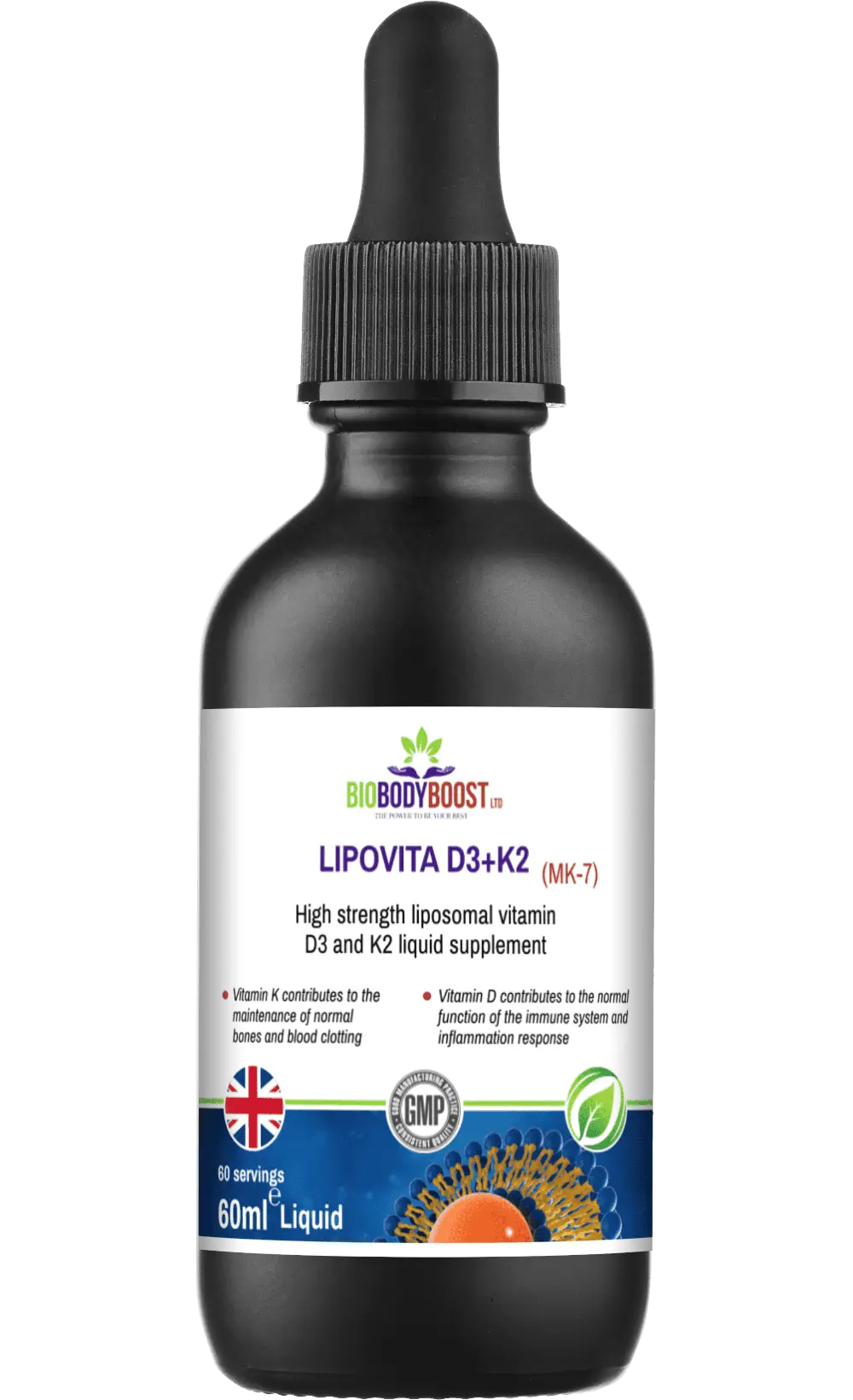
The NHS 400 IU recommendation is a minimum based on preventing frank deficiency. For UK Muslim women — particularly those who cover up outdoors — 1,000–2,000 IU of lichen-derived D3 is more appropriate for maintaining optimal blood levels. Vitamin D deficiency in pregnancy increases risks of pre-eclampsia, gestational diabetes and low birthweight. Lipovita D3+K2 uses lichen-derived D3 — unambiguously halal, with no scholarly debate about lanolin sourcing.
Iodine 150–200mcg — critically important, often missed
The NHS does not include iodine in its standard prenatal recommendation despite WHO guidance that pregnant women need 200mcg daily. The developing foetal brain requires thyroid hormones (and therefore iodine) from conception. UK dairy is the primary dietary iodine source — Muslim women on dairy-free or plant-based diets are particularly at risk. The Lancet found over two-thirds of UK schoolgirls were mildly iodine deficient — the population who will become pregnant. Iodine deficiency during pregnancy is the most preventable cause of intellectual disability globally.
Iron — needs individual assessment
Iron requirements increase significantly in pregnancy. The NHS checks haemoglobin at booking and 28 weeks. If ferritin is low, supplemental iron is required. Ferrous bisglycinate is the preferred form — equivalent absorption to ferrous sulphate with significantly fewer GI side effects (nausea, constipation already common in pregnancy). Take with vitamin C, away from calcium and dairy.
Omega-3 DHA — foetal brain development
DHA is incorporated into foetal brain cell membranes throughout pregnancy, with the highest accumulation in the third trimester. Multiple trials show maternal DHA supplementation improves infant cognitive outcomes. The WHO recommends 200mg DHA daily during pregnancy. In a halal-certified format — essential given most omega-3 softgels use porcine gelatine.
Magnesium glycinate — reduces leg cramps and pre-eclampsia risk
Leg cramps in pregnancy are predominantly due to magnesium depletion from the growing foetal demand. Magnesium supplementation at 300mg elemental daily reduces leg cramp frequency and severity. Magnesium also has a documented role in pre-eclampsia prevention — IV magnesium sulphate is used pharmaceutically for eclampsia treatment.
The Halal Prenatal Supplement Gap in the UK
Most prenatal multivitamins sold in UK pharmacies — including popular brands — use gelatine capsules or softgels. Porcine gelatine is the default without disclosure. For UK Muslim women, this means:
- Seven Seas Perfect Prep Pregnancy — uses gelatine
- Vitabiotics Pregnacare — uses gelatine in some formats
- Boots Pregnancy supplements — gelatine in softgel formats
Checking the label for HPMC, plant cellulose or explicitly “vegetarian capsule” (note: vegetarian capsule is not automatically halal certified but is plant-derived) is the minimum. Third-party halal certification on the full product is the gold standard.
All BioBodyBoost products used during pregnancy (D3+K2, magnesium, marine collagen, BioTic probiotic) use HPMC plant-derived capsules and carry full halal certification. Always discuss your complete supplement list with your midwife or GP during pregnancy. Browse the women’s health range.