
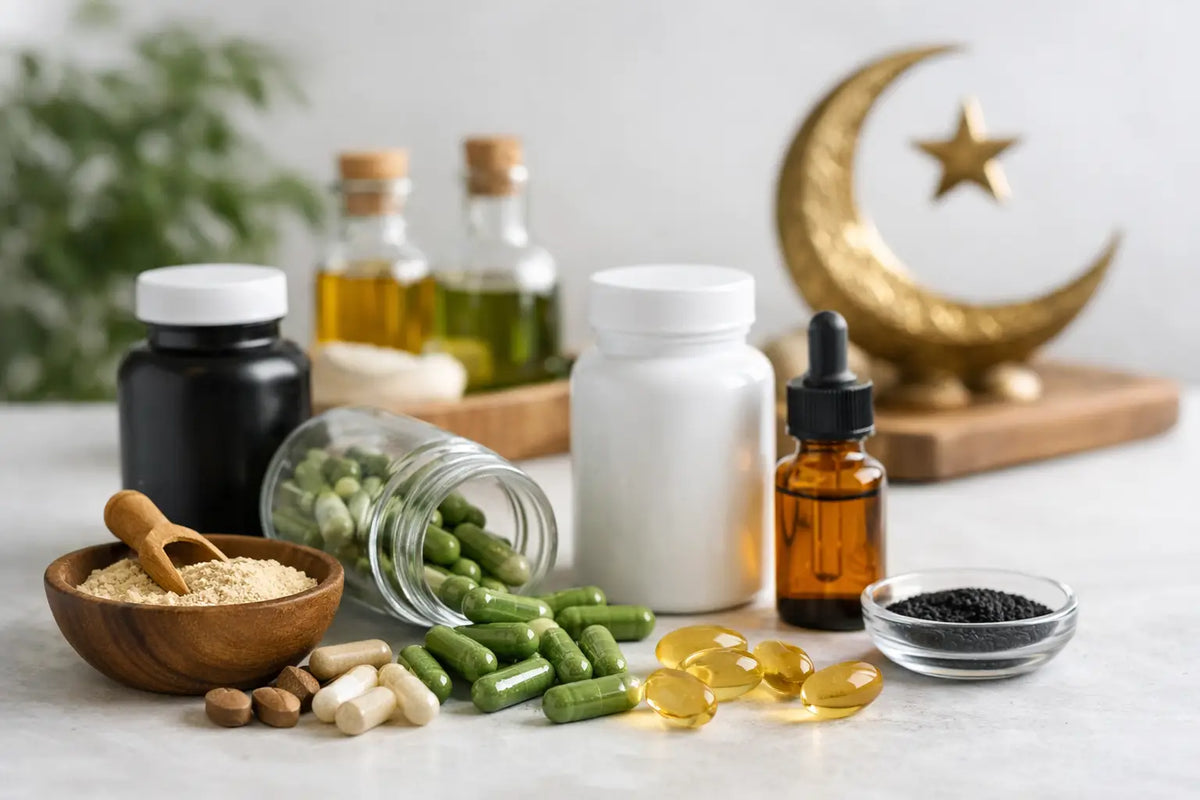
A supplement can look clean, vegan and perfectly suited to your health goal, then raise questions once you turn the label around. Gelatine capsules, unclear flavourings and vague processing details can make a daily routine harder to trust. This guide to halal friendly supplements helps you look beyond front-of-pack claims, so you can choose support for energy, digestion, recovery or family wellness with real confidence.
What makes a supplement halal friendly?
Halal friendly supplements are formulated and produced with ingredients that are compatible with halal dietary principles. In practical terms, that means checking more than the active nutrient on the front label. The capsule, coating, flavouring, carrier oil, sweetener and manufacturing process can all matter.
A product described as halal certified has been assessed by an appropriate halal certification body against its stated standard. A product described as halal friendly may use ingredients that appear suitable but may not hold formal certification. Neither term should be treated as a shortcut - always read the specific label and ask the brand when anything is unclear.
For many people, plant-based formulas are an excellent starting point. They can remove common concerns around animal-derived gelatine, bovine collagen and fish oils. But vegan does not automatically mean halal. Alcohol-based extracts, flavour systems and the way ingredients are handled still deserve a closer look.
Start with the format, not just the benefit
You may know exactly what you want from a supplement: fewer sluggish mornings, better gut balance after meals, steadier training recovery or extra nutritional support during a demanding week. Start there, then choose the format that works with both your routine and dietary requirements.
Powders are often straightforward because their ingredient lists can be short and visible. A greens blend, protein powder or electrolyte formula may be easier to assess than a complex capsule, although blends can still contain flavourings, enzymes and extracts that require checking.
Capsules need more attention. Traditional softgels and hard capsules may contain gelatine, which can be derived from animal sources. Look instead for vegetable capsules, often made from hydroxypropyl methylcellulose, or HPMC. This is widely used in plant-based supplements and can be a practical choice for customers looking to avoid gelatine.
Liquids, gummies and chewables can be useful for children, people who dislike swallowing capsules or anyone building a simple family routine. They can also be the formats most likely to include gelatine, glycerine, colourings or flavourings. That does not make them unsuitable, but it makes a complete ingredient check essential.
How to read a halal-friendly supplement label
A clear label saves time and reduces guesswork. Look first for a halal certification mark if formal certification is important to you. Then read the full ingredients panel, not only the headline ingredients or product claims.
Pay particular attention to the capsule shell, especially where the label simply says “gelatine”. If the source is not identified, contact the manufacturer before buying. The same applies to glycerine or glycerol in gummies and softgels. It can come from vegetable or animal sources, so the origin matters.
Alcohol can appear in herbal tinctures and extracts, sometimes as ethanol used during extraction. The amount remaining in the finished product, the production method and individual interpretations can differ. If you avoid alcohol entirely, choose alcohol-free alternatives and request confirmation where the label is not specific.
Flavourings can be another grey area. “Natural flavours” is not always enough detail for a values-led purchase. A transparent brand should be able to explain whether flavour components, carriers and processing aids are suitable for your requirements.
Use this quick label check before adding a new supplement to your routine:
- Look for recognised halal certification where that is your preferred standard.
- Check whether the capsule or softgel is vegetable-based rather than gelatine.
- Ask about the source of glycerine, flavourings and omega oils.
- Check herbal extracts for alcohol, particularly drops and liquid blends.
- Read allergen and dietary statements alongside the full ingredient list.
Ingredients that commonly need a second look
Gelatine is the best-known issue, but it is not the only one. Collagen powders and beauty supplements are typically animal-derived unless clearly stated otherwise. If skin, hair or joint support is your goal, plant-focused nutrients such as vitamin C, zinc, biotin and selected botanical ingredients may be more aligned with a halal-friendly, vegan routine. Results depend on your individual diet and health needs, so avoid expecting one ingredient to do everything.
Omega supplements also vary. Fish oil can be compatible with halal requirements when its source and production are appropriate, but it will not suit a vegan lifestyle. Algal omega oils offer a plant-based alternative and are especially useful for people looking for DHA and EPA support without fish-derived ingredients. Check the capsule material as carefully as the oil itself.
Probiotics are worth checking because strains are grown using nutrient media and may be blended with carriers. A high-quality formula should make the strains, colony-forming units and storage guidance easy to understand. If halal status is central to your choice, ask whether the culture medium, excipients and capsule have been assessed.
Enzymes, amino acids and vitamin D can have different origins too. Vitamin D3 is often sourced from lanolin, a substance derived from sheep’s wool, while plant-based D3 may be sourced from lichen. Neither label claim nor ingredient name always tells the full story, so a transparent source statement is valuable.
Certification matters, but so does transparency
Formal certification can bring welcome reassurance because it considers ingredients and production controls rather than a single headline claim. It is particularly helpful for people who want a consistent standard across a full daily stack, from multivitamins to protein and gut support.
Still, certification is not the only sign of a considered supplement. Some smaller or specialist formulas may not be certified, yet still provide complete information about ingredients, capsule materials and manufacturing. The strongest standard is clarity: precise claims, full specifications and a customer support team able to answer direct questions.
Third-party testing is valuable for another reason. It can help verify identity, purity and contaminant controls, which matters whether you are choosing turmeric for joint comfort, magnesium for normal muscle function or a protein blend after training. Testing does not replace halal certification, but it supports the bigger goal: knowing what you are taking every day.
Build a routine that works in real life
A halal-friendly supplement routine does not need to be complicated. Start with the outcome you actually want to support, then add only what fits your diet, health status and schedule. A busy professional might prioritise vitamin D, a plant-based omega and a digestion-focused formula. Someone training regularly may focus on protein, electrolytes and recovery support. A parent choosing for the household may value simple formats, age-appropriate doses and ingredients that everyone can understand.
Avoid buying several blends with the same nutrients before checking totals. Stacking a multivitamin, immune formula and beauty blend can unintentionally increase your intake of nutrients such as zinc, selenium or vitamin B6. More is not always better, and a clean label does not change that.
If you take prescribed medicine, are pregnant or breastfeeding, have a medical condition, or are choosing supplements for a child, seek advice from a pharmacist, GP or qualified healthcare professional first. Supplements are designed to support a balanced diet, not replace it.
Questions to ask before you buy
When a label leaves room for doubt, a short question can prevent a wasted purchase. Ask whether the capsule is HPMC or another vegetable material; whether glycerine and flavourings are plant-derived; whether alcohol is used in extraction; and whether the final product is made on shared equipment with non-halal materials.
Also ask which certification applies. A logo on one product does not necessarily mean every product in a range is certified. Good brands welcome these questions because informed customers are more likely to find a formula they can use consistently.
The best daily supplement is not the one with the loudest claims. It is the one that fits your values, is clear about every ingredient and supports a goal you can feel in everyday life - from calmer digestion to stronger recovery and more dependable energy.


