Blue light glasses are one of the most successful fear-based marketing categories of the last decade. The pitch is simple and alarming: your screen is damaging your eyes, and these glasses will stop it. Here's what UK optometry's own regulatory and research bodies actually say — which is considerably more measured than the marketing suggests, and doesn't fully let screens off the hook either.
What the Evidence Actually Shows
Two specific findings are worth knowing, because almost no company selling blue-light protection will lead with them:
- The College of Optometrists UK has concluded that the level of blue light exposure from digital screens is hundreds of times lower than the levels shown to cause retinal damage in laboratory studies.
- A 2021 Cochrane review — the gold standard for evidence synthesis — found insufficient evidence that blue-light-filtering lenses actually reduce eye strain or improve visual performance during screen use.
Put plainly: the specific claim driving a multi-million-pound glasses category — that screen blue light is damaging your retina and a coated lens will stop it — doesn't hold up well against the UK's own optometric and Cochrane-level evidence.
What's Actually True, and What Isn't
True: blue light affects your sleep. Blue light exposure before bedtime does suppress melatonin and disrupt circadian rhythm — this part is well-established. If you're scrolling in bed, that's a real effect, though the fix (night mode, screen curfew) is different from what glasses marketing implies.
Overstated: blue light is damaging your retina during the day. The retinal-damage framing used to sell glasses and supplements alike is built on laboratory studies using far higher intensities than any screen produces. Real screen exposure sits in a different category entirely.
Genuinely useful but underused: the 20-20-20 rule. Every 20 minutes, look at something 20 feet away for 20 seconds. Free, evidence-consistent, and mentioned by essentially every eye-health body — yet it gets a fraction of the marketing budget of blue-light glasses.
So What Does Genuinely Help?
The honest answer isn't "nothing helps" — it's that the mechanism is different from what's usually marketed. Macular pigment — lutein and zeaxanthin, which physically accumulate in the eye's macula — does have real evidence for filtering light and providing antioxidant protection to retinal cells, and a published six-month trial found that macular carotenoid supplementation improved not just visual performance but sleep quality and physical symptoms in adults with high screen-time exposure. That's a substantively different claim from "these glasses block damaging rays" — it's about supporting the eye's own existing protective mechanism, over time, rather than blocking a threat that current UK optometric evidence says is far smaller than marketed.
What Genuinely Reduces Screen-Related Eye Strain
- The 20-20-20 rule — free, evidence-consistent, and the single most-recommended habit by eye-health professionals
- Blink deliberately — screen use measurably reduces blink rate, which is a major contributor to dry, tired eyes
- Screen distance and text size — genuine ergonomic factors, more influential than blue light itself
- Lutein and zeaxanthin — supporting the macula's own pigment over months, not blocking rays acutely
- An evening screen curfew — addressing the genuinely evidenced sleep-disruption effect directly, rather than through a lens coating
Our Approach
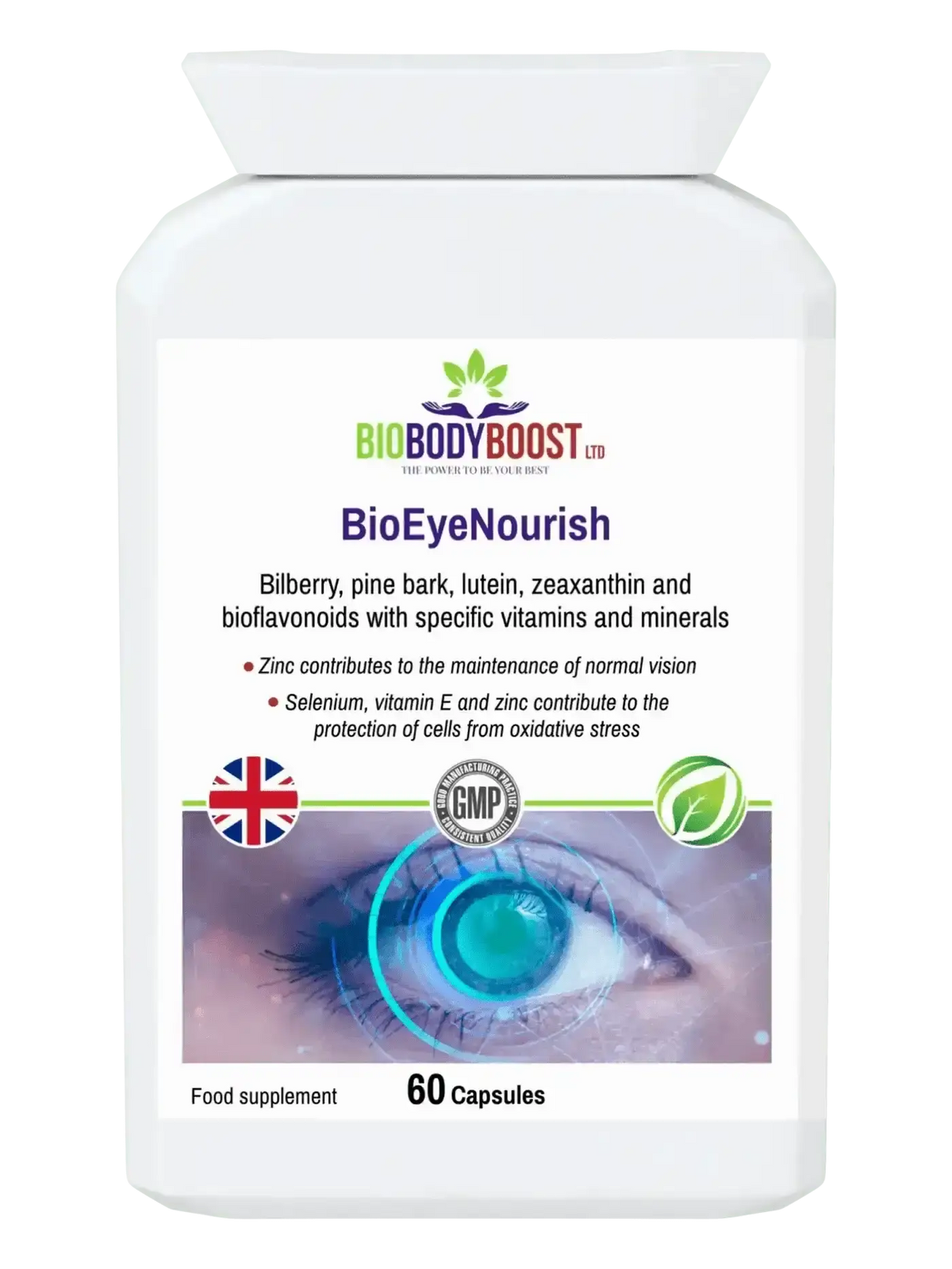
BioEyeNourish combines lutein and zeaxanthin with bilberry, pine bark and zinc — the ingredient that carries the UK's actual authorised vision claim. We're not going to tell you this product blocks damaging blue light, because the evidence doesn't support that framing for anyone's product. What it does is support the eye's own macular pigment system over consistent daily use — a genuinely different, more honest claim.
FAQs
Do blue light glasses actually work?
A 2021 Cochrane review found insufficient evidence that blue-light-filtering lenses reduce eye strain or improve visual performance during screen use. If you find them comfortable, that's a valid reason to wear them — but the retinal-damage-prevention claim isn't well supported.
Is screen time actually damaging my eyes?
The College of Optometrists UK states that blue light exposure from screens is hundreds of times lower than levels shown to cause retinal damage in lab studies. Digital eye strain — tiredness, dryness, discomfort — is real and common, but it's a different issue from permanent retinal damage.
Does blue light affect sleep?
Yes — this is the well-established part. Blue light before bedtime suppresses melatonin and disrupts circadian rhythm. A screen curfew or night mode addresses this more directly than daytime blue-light glasses.
What actually helps with screen-related eye strain?
The 20-20-20 rule, deliberate blinking, proper screen distance, and consistent lutein/zeaxanthin intake for macular pigment support over time — evidence-consistent measures, rather than a single product that blocks a threat current evidence says is smaller than marketed.
Browse the full Hair, Skin & Beauty UK collection.
Food supplements should not replace a varied diet. Consult your GP or optician if you experience persistent eye strain, pain, or changes in vision. Consult your GP before use if pregnant, breastfeeding, or taking medication.