Short answer: probably not, unless you are deficient. Biotin deficiency causes hair loss — this is well established. But biotin deficiency is genuinely rare in people eating a varied diet. The large UK market for high-dose biotin (5,000–10,000mcg) for hair growth in non-deficient people is almost entirely driven by marketing rather than clinical evidence. This article gives you the honest picture.
What biotin actually does
Biotin (vitamin B7) is a water-soluble vitamin and essential cofactor for five carboxylase enzymes involved in fatty acid synthesis, gluconeogenesis and amino acid catabolism. It is required for keratin production — the structural protein of hair, skin and nails. The EU-authorised health claims for biotin are: “biotin contributes to the maintenance of normal hair” and “biotin contributes to the maintenance of normal skin and mucous membranes.”
These claims are based on the finding that biotin deficiency causes hair loss and skin problems, and that correcting deficiency restores normal hair and skin. They do not claim that supplementing biotin in non-deficient people enhances hair growth above normal.
What the clinical evidence actually shows
Patel et al. (2017, Skin Appendage Disorders, systematic review) reviewed all published human studies on biotin supplementation and hair growth. Finding: 18 case reports showed biotin supplementation improved hair and nail growth — but every single case report involved patients with a documented biotin deficiency or an underlying condition causing biotin insufficiency (biotinidase deficiency, multiple carboxylase deficiency, inflammatory bowel disease causing malabsorption). No randomised controlled trial in non-deficient healthy adults has demonstrated that biotin supplementation improves hair growth, thickness or loss rate.
The honest conclusion: biotin helps hair when deficiency is present. It does not appear to add benefit in the vast majority of UK adults who are biotin-sufficient.
Who may genuinely be biotin-deficient
- People on anticonvulsant medications (valproate, carbamazepine — impair biotin absorption and metabolism)
- People eating large amounts of raw egg white regularly (avidin in raw egg white binds biotin, blocking absorption)
- People with inflammatory bowel disease affecting the small intestine (Crohn’s, short bowel syndrome)
- People on very restrictive diets or prolonged parenteral nutrition
- People with rare biotinidase deficiency (genetic condition)
If you do not fall into one of these categories, you almost certainly have adequate biotin from diet (eggs, nuts, meat, wholegrains, sweet potato). High-dose biotin supplementation is unlikely to produce meaningful hair growth benefit.
The important lab test warning
High-dose biotin (above 5mg/day) significantly interferes with biotin-streptavidin assays used in many NHS blood tests — including troponin (heart attack marker), thyroid function (TSH), and sex hormone tests. The NHS advises informing your GP if you take high-dose biotin before blood tests, as it can produce falsely normal or falsely abnormal results. A missed cardiac troponin due to biotin interference has led to missed heart attacks in published case reports — this is not a theoretical concern.
What actually helps hair in most people
If you are experiencing hair thinning or shedding, the nutrients most likely to make a difference — because deficiencies in these are prevalent and clinically associated with hair loss:
- Iron (ferritin) — the most common nutritional cause of hair loss in UK premenopausal women. Rushton 2002 (n=312).
- Zinc — EU-authorised claim for normal hair maintenance. Significantly lower in hair loss patients. Park 2013 Annals of Dermatology.
- Vitamin D — VDR signalling required for anagen initiation. Cerman 2014 JEADV. Nearly universal UK winter deficiency.
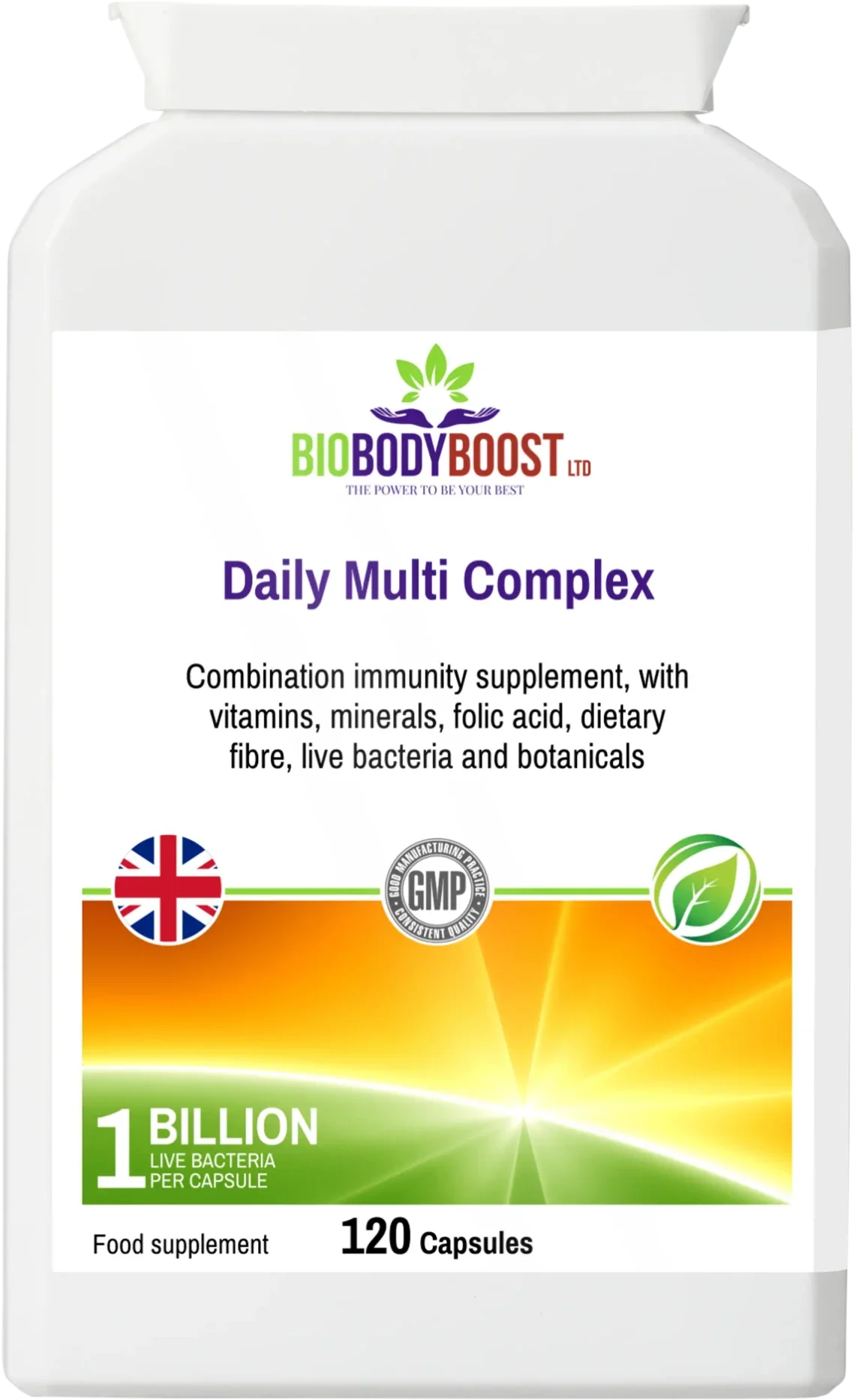
Daily Multi Complex provides biotin 50mcg (200% NRV) + iron 14mg + zinc 15mg + vitamin D + B vitamins — addressing the full deficiency spectrum at nutritionally appropriate doses. Halal certified, vegan. See the full hair loss supplements halal UK guide for the complete evidence picture.
How much biotin should I take for hair UK?
At a maintenance level (200–400% NRV, equivalent to 50–100mcg/day), biotin as part of a multivitamin is appropriate nutritional insurance and covers the unlikely possibility of dietary insufficiency. At these doses there is no lab test interference and no safety concern. High-dose biotin (5,000–10,000mcg, marketed for hair growth) has no robust evidence of benefit in non-deficient people, interferes with multiple NHS blood tests, and is not recommended. If you believe you may be biotin-deficient (you are taking anticonvulsants, eating significant raw egg white, or have inflammatory bowel disease), discuss with your GP before supplementing.
Why does my hair keep falling out despite taking biotin?
Because hair loss in most people is not caused by biotin deficiency. The most common nutritional causes of hair loss are: iron deficiency (ferritin below 30μg/L) in premenopausal women, zinc insufficiency, vitamin D deficiency, and thyroid dysfunction. Biotin addresses none of these. If you are taking high-dose biotin and experiencing ongoing hair loss, ask your GP for blood tests: serum ferritin (not just haemoglobin), zinc, 25-OH vitamin D, and thyroid function (TSH, free T4). Addressing an actual deficiency will produce far more improvement than continuing biotin supplementation.