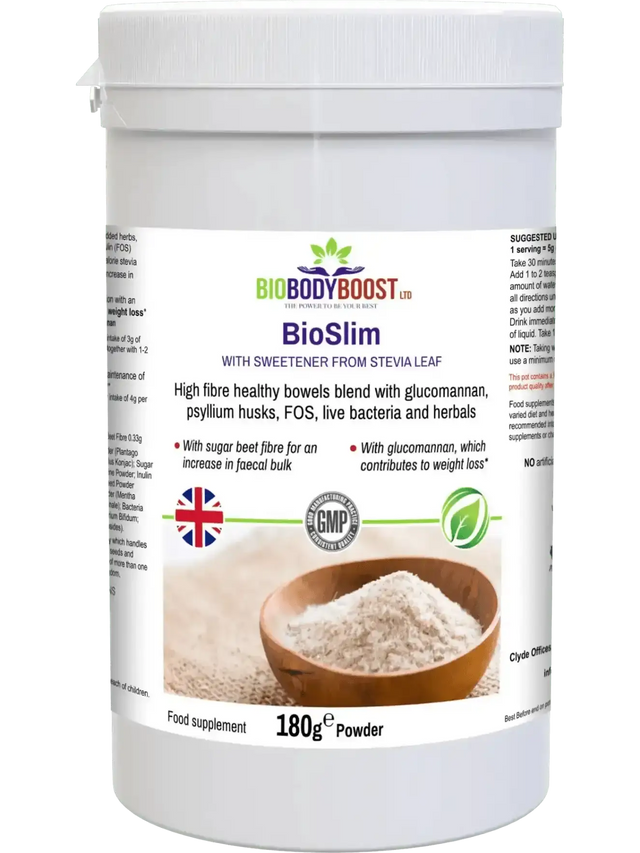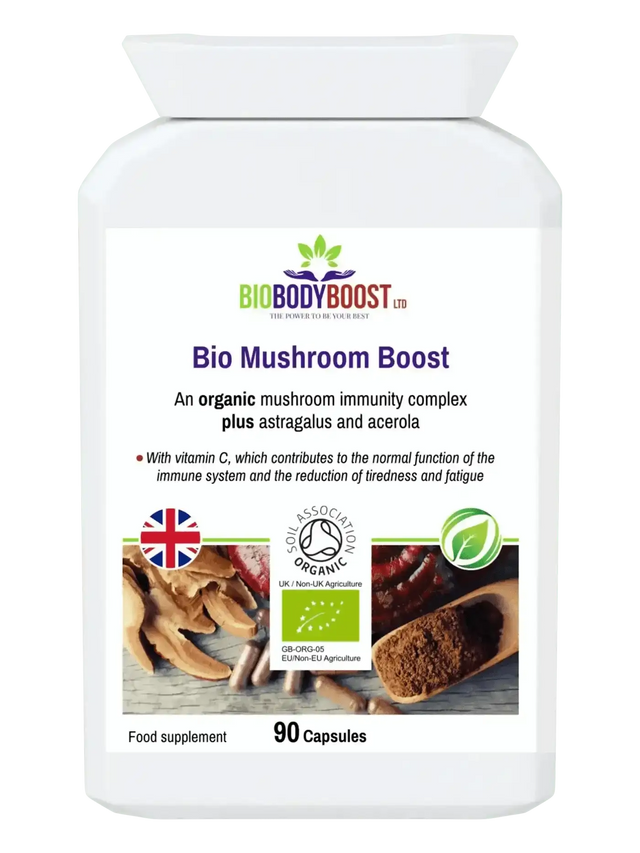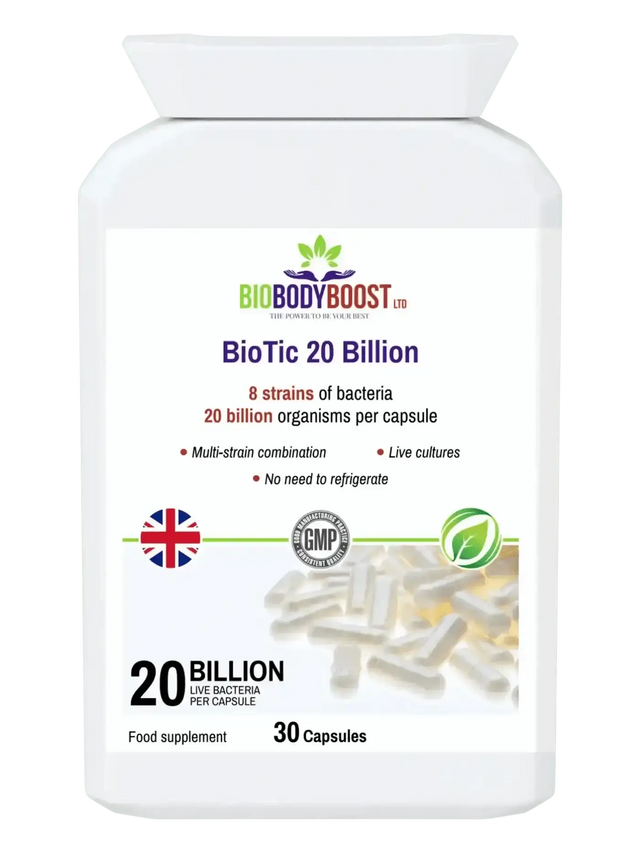

You pick up a vitamin, flip to the label, and see the usual promises - energy, immunity, gut support, better recovery. But if you need to avoid gluten, the real question is simpler: which supplements are gluten free UK shoppers can actually trust without second-guessing every capsule?
The answer is less about one magic category and more about how supplements are made, labelled and tested. Some formulas are naturally free from gluten-containing ingredients. Others look clean at first glance but raise questions because of fillers, flavourings, manufacturing methods or vague labelling. If you are coeliac, gluten-sensitive, or just trying to keep your routine free from common irritants, knowing what to look for makes all the difference.
Which supplements are gluten free UK consumers most likely to find?
A lot of everyday supplements can be gluten free, especially when brands use simple, clean-label formulas. Single-ingredient vitamins and minerals are often the easiest place to start. Think vitamin D, vitamin C, magnesium, zinc and B vitamins. In many cases, the active nutrient itself does not contain gluten. The issue tends to come from the surrounding ingredients used to bind, bulk, coat or flavour the product.
Plant-based capsules are often a strong option because they usually rely on fewer unnecessary extras than chewables or flavoured powders. Softgels can also be suitable, but it depends on the carrier oils, flavour systems and how the shell is made. Tablets are where you may need to pay closer attention, as they commonly include bulking agents and anti-caking ingredients that vary from brand to brand.
Probiotics, greens powders, protein blends, omega oils and botanical formulas can also be gluten free, but they are more formulation-dependent. A plain probiotic capsule may be straightforward. A gut blend with added fibres, flavour systems or digestive botanicals needs a more careful read. The same goes for protein powders. A clean pea or rice protein may be suitable, while a dessert-style shake with biscuit flavouring, cereal pieces or thickening blends may not be.
Why gluten can show up in supplements
Gluten does not usually appear because a supplement is designed around wheat, barley or rye. More often, it enters the picture through excipients - the inactive ingredients that help create a finished product with the right texture, stability and shelf life.
Starches are one area people worry about, and fairly so. Not every starch is a problem, but if a label is vague, it is reasonable to want more clarity. Malt-derived ingredients are another potential issue, especially in powders and flavoured products. Then there is cross-contamination. A supplement may not contain gluten as an ingredient but could still be produced in a facility that handles gluten-containing materials.
That trade-off matters. If you simply prefer to avoid gluten, a product with no gluten ingredients may feel acceptable. If you have coeliac disease, you will usually want a clearer standard - ideally a product specifically labelled gluten free and backed by strong manufacturing controls.
How to read a supplement label properly
The fastest way to make better choices is to stop relying on the front of the pack. Turn straight to the ingredients, allergen information and any testing or certification notes.
A clear gluten-free statement is the most helpful signal. In the UK, brands that state this openly are making your decision easier and reducing guesswork. If that statement is missing, check the full ingredient list. Watch for wheat, barley, rye, malt and anything that sounds cereal-derived but is not fully explained.
You should also look at the style of the product. Capsules are usually simpler. Gummies, chewables and flavoured powders tend to be more complex. The more “treat-like” a supplement is, the more likely it is to include flavour systems, sweeteners, texturisers and blend components that need scrutiny.
Third-party testing adds another layer of confidence. It does not automatically mean gluten free, but it shows the brand takes quality control seriously. For anyone managing dietary restrictions, that matters because label clarity and manufacturing discipline often go hand in hand.
Supplement types that are often easier to trust
If you want to build a lower-risk routine, start with formulas that keep things clean and functional. Single nutrients in capsule form are usually the least complicated. Vegan capsules with minimal fillers can be a good fit for digestion, immunity and everyday performance because they strip away the extras that often cause uncertainty.
Unflavoured powders can also be easier to assess than flavoured ones. A plain magnesium powder or straightforward plant protein with a short ingredient list often gives you more transparency than a highly processed blend with a long list of add-ins.
Oils are another category that can work well. Omega supplements, for example, are less likely to need cereal-based ingredients, though you still need to check flavourings and softgel composition. Herbal blends sit somewhere in the middle. The herbs themselves may be naturally gluten free, but the final formula depends on capsule materials, standardisation agents and how the blend is manufactured.
Where UK shoppers need to be more cautious
The supplements that deserve a slower look are the ones marketed around taste, convenience or “all-in-one” appeal. Gummies can be useful, especially for children or adults who dislike capsules, but they often contain more processing aids and flavour ingredients. Meal shakes and sports blends can also be trickier because they combine proteins, fibres, sweeteners, thickeners and flavour systems in one formula.
This does not mean these products are off limits. It simply means the chance of hidden complexity is higher. If you are shopping for family health, post-workout recovery or daily greens, clean formulation becomes even more valuable. A shorter ingredient list usually means fewer variables and a lower chance of gut disruption.
Imported products can create another layer of confusion. Labelling standards and allergen expectations are not always presented in the same way across markets. For UK consumers, brands that communicate clearly and align with local expectations on allergens and testing tend to be the easier choice.
What “gluten free” should mean in practice
For most shoppers, the phrase should mean more than “we do not think there is any gluten in here”. It should signal that the formula has been designed with dietary compatibility in mind and produced with systems that reduce contamination risk.
This is where brand philosophy matters. Companies focused on clean-label, plant-based and third-party tested supplements are often better positioned to support gluten-free shoppers because transparency is already part of how they build products. You are not just buying the active ingredient. You are buying the standard behind it.
At BioBodyBoost, that kind of clarity matters because modern supplement users are not only chasing outcomes like gut balance, immune resilience or better recovery. They also want formulas that fit their lifestyle without compromise - vegan-friendly, clean-ingredient, and easier on digestion.
A smarter way to choose gluten-free supplements
If you are trying to simplify the process, think in layers. First, choose the health goal - energy, digestion, recovery, joint support, daily immunity. Next, choose the simplest format that works for your routine. Then check for a direct gluten-free claim, a clean ingredient panel and signs of quality testing.
This approach saves time and reduces decision fatigue. It also keeps you focused on results. A supplement is only useful if you can take it consistently and feel confident about what is in it. If reading the label leaves you uncertain, that is not a small issue. It is usually a sign to keep looking.
There is also an individual tolerance question. Some people are comfortable with products that contain no gluten ingredients but are not explicitly labelled gluten free. Others are not, and for good reason. If your body reacts strongly or you have a diagnosed condition, stricter filtering makes sense. Better to be selective than spend weeks trying to work out why your digestion feels off.
So, which supplements are gluten free in the UK?
Plenty are - especially clean-label vitamins, minerals, plant-based capsules, simple probiotics, selected omega oils and straightforward protein or greens formulas. But no category gets a free pass. The real answer depends on ingredients, manufacturing controls and how clearly the brand communicates.
That is why smart supplement shopping is not about chasing the loudest claim on the front of the pack. It is about choosing products with fewer fillers, better transparency and standards you can trust day after day. When your routine is built around clean, research-backed formulas, gluten-free choices become less of a gamble and more of a confident daily upgrade.
Your body notices consistency. Choose supplements that support your goals and respect your dietary boundaries, and the whole routine starts to feel lighter, clearer and easier to stick with.