Vitamin A refers to two distinct groups: retinoids (preformed vitamin A, primarily retinol and retinyl esters from animal sources) and carotenoids (provitamin A, primarily beta-carotene from plant sources). The body uses both to ultimately produce retinol — but the conversion from beta-carotene is inefficient and variable, meaning the form you eat or supplement significantly affects how much vitamin A your body actually receives.
What Does Vitamin A Do?
Vitamin A has three primary biological roles:
- Vision — retinal (a derivative of retinol) is the light-sensitive component of rhodopsin in rod cells (dim-light vision) and cone cells (colour vision). Vitamin A deficiency causes night blindness — the earliest clinical sign — and eventually irreversible corneal damage in severe cases. This is a major global public health issue but rare in UK adults with varied diets.
- Immune function — vitamin A regulates the differentiation of immune cells, particularly T regulatory cells and the mucosal immune system of the gut and respiratory tract. The EU-authorised claim: vitamin A contributes to the normal function of the immune system.
- Cell differentiation and gene expression — retinoic acid (derived from retinol) binds to nuclear receptors (RAR, RXR) that regulate the expression of hundreds of genes involved in cell differentiation, embryonic development and tissue maintenance. This is why vitamin A has potent effects on skin (the basis of retinoid acne and anti-ageing treatments) and why it is one of the most teratogenic vitamins in excess.
Retinol vs Beta-Carotene: What Is the Difference?
| Factor | Retinol (preformed) | Beta-carotene (provitamin A) |
|---|---|---|
| Source | Liver, oily fish, dairy, eggs | Carrots, sweet potato, spinach, orange/yellow vegetables |
| Conversion required | No — directly active | Yes — converted to retinol by intestinal enzymes |
| Conversion efficiency | N/A | Variable: 3.6:1 to 28:1 ratio (beta-carotene:retinol) |
| Toxicity risk | High at excess doses — stored in liver | Low — conversion is regulated; excess causes harmless skin yellowing (carotenodermia) |
| Pregnancy safety | Teratogenic above 3,000mcg RE/day | Safe — conversion limits retinol accumulation |
| In supplements | Retinyl palmitate or retinyl acetate | Beta-carotene (often labelled as “vitamin A as beta-carotene”) |
Why Conversion Efficiency Matters for Vegans and Vegetarians
Beta-carotene conversion to retinol is highly variable between individuals (determined by BCMO1 gene variants) and is reduced by: low dietary fat intake (fat is required for beta-carotene absorption), hypothyroidism, zinc deficiency and several other factors. The traditional assumption that eating enough orange and green vegetables provides adequate vitamin A is overstated for people with poor conversion. Vegans who rely entirely on beta-carotene may have lower retinol status than dietary intake suggests.
What Are the Symptoms of Vitamin A Deficiency?
- Night blindness — difficulty seeing in dim light, the earliest symptom
- Dry eyes (xerophthalmia) — in moderate deficiency
- Increased infection susceptibility — particularly respiratory and gut infections
- Dry, rough skin — follicular hyperkeratosis (small rough bumps, typically on upper arms)
- Poor wound healing
True vitamin A deficiency is uncommon in UK adults eating varied diets but can occur in: strict vegans with poor beta-carotene conversion, people with fat malabsorption, those with liver disease (vitamin A is stored in the liver) and people with severely restricted diets.
Vitamin A Toxicity: The Genuine Safety Concern
Unlike most vitamins, preformed vitamin A (retinol) accumulates in the liver and is genuinely toxic at high doses. This is the most important safety consideration in vitamin A supplementation:
- Acute toxicity: doses above 25,000 IU (7,500mcg RE) in a single dose can cause nausea, headache, blurred vision and intracranial pressure
- Chronic toxicity: regular doses above 10,000 IU (3,000mcg RE) daily long-term cause liver damage, bone loss and hair thinning
- Pregnancy: doses above 3,000mcg RE (10,000 IU) daily are teratogenic — causing serious birth defects. The NHS advises pregnant women not to take high-dose vitamin A supplements or eat liver (very high in vitamin A) during pregnancy.
UK safe upper level for vitamin A (retinol): 3,000mcg RE per day for adults; 1,500mcg RE for pregnant women.
How Much Vitamin A Do You Need?
UK RNI: 600mcg RE women, 700mcg RE men per day. This is achievable from a varied diet including dairy, eggs and orange/yellow vegetables. Supplementation above the RNI is not necessary for most healthy UK adults. Standard multivitamins providing 100% NRV of vitamin A at 800mcg RE are appropriate. High-dose vitamin A supplements (above 3,000mcg RE) should only be taken under medical supervision.
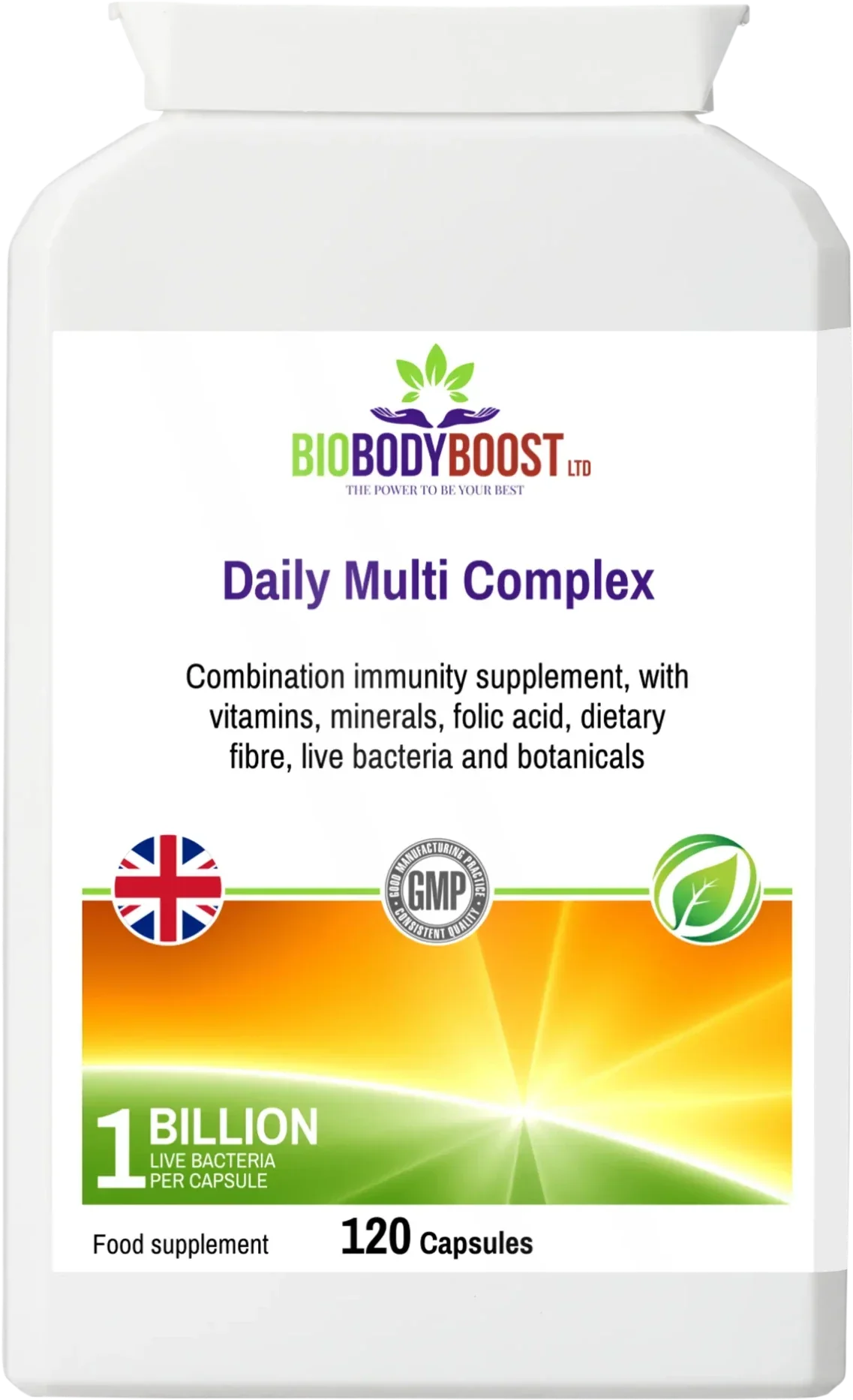
Daily Multi Complex by BioBodyBoost includes vitamin A at NRV-appropriate levels — sufficient for normal function without the accumulation risk of high-dose retinol supplements. Halal certified, vegan, UK GMP manufactured. Browse the full range.