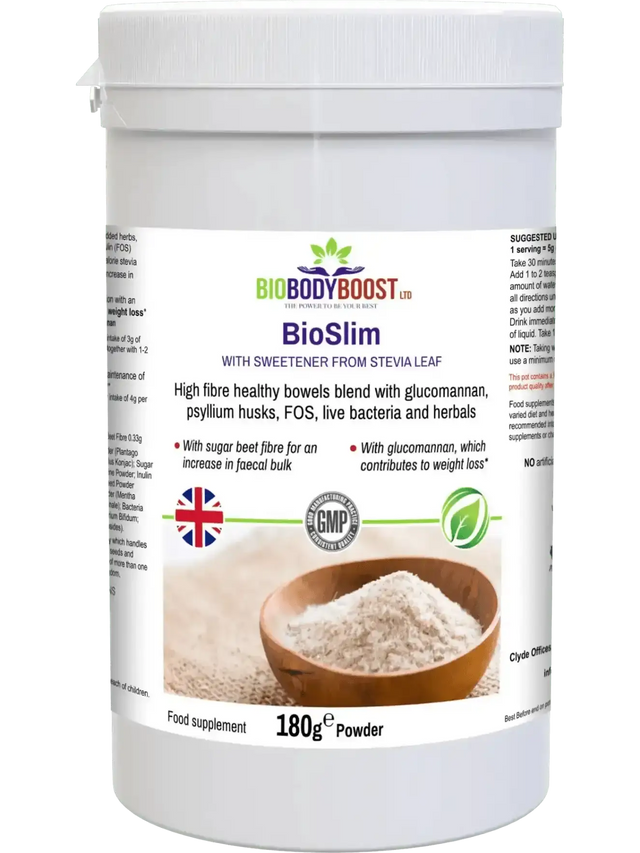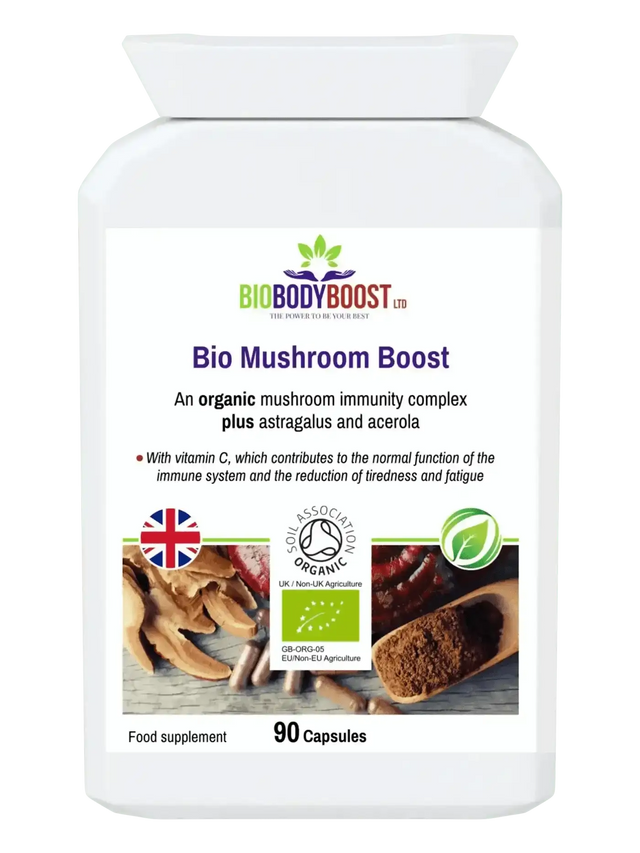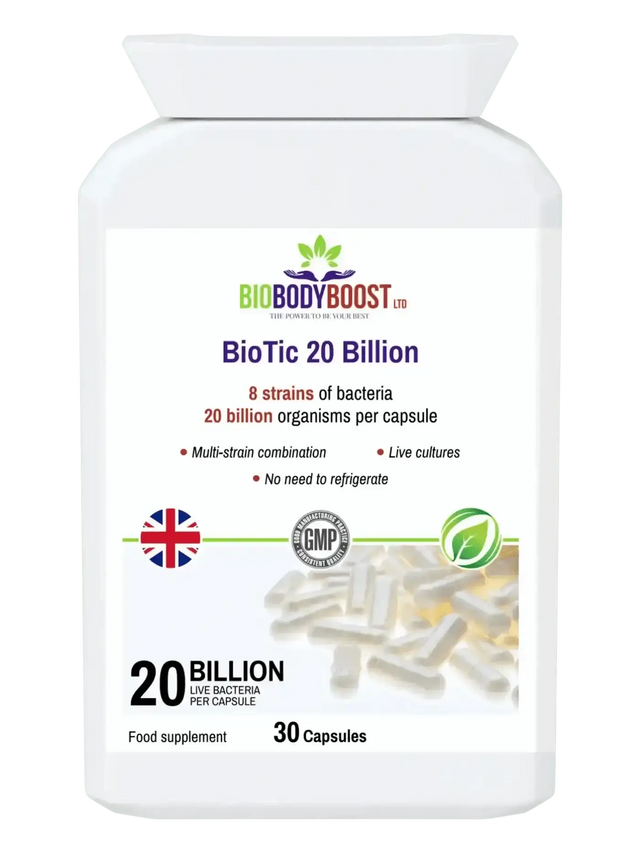

A vegan label, a smart-looking tub and a long ingredient list are not proof of quality. When choosing third-party-tested supplements that UK shoppers can rely on, the key question is simple: has an independent laboratory checked that the product contains what the label promises - and that it is suitable for daily use?
Testing is one of the clearest ways to cut through wellness marketing. It does not turn a supplement into a medicine or guarantee a particular result for every person. What it can do is give you stronger evidence around identity, purity and potency, so you can build a routine with more confidence and less guesswork.
What does third-party testing actually mean?
Third-party testing means a product, ingredient or production batch has been assessed by an independent laboratory rather than only by the company making it. The laboratory is separate from the brand and manufacturer, which helps reduce bias in the quality-control process.
The exact tests depend on the supplement. A plant protein powder may be checked for protein content, heavy metals and microbiological safety. A probiotic needs different scrutiny, including whether the stated strains are present and viable at the claimed amount. Herbal blends may be tested to confirm botanical identity and screen for contaminants.
This distinction matters because "tested" on its own can mean many things. A brand may test raw ingredients, perform internal checks during manufacturing, or test only a finished product. Each can be useful, but the strongest reassurance usually comes from independent, finished-batch testing supported by clear documentation.
Why third-party-tested supplements standards matter in the UK
The UK has rules for food supplements, labelling and product safety, but the supplement category is wide. Quality can vary between suppliers, formulations and batches. A responsible brand should not treat legal compliance as the finish line. It should use testing as an active part of protecting the customer experience.
For everyday goals such as steadier energy, gut balance, immune support or post-training recovery, consistency matters. You need to know that your powder, capsule or gummy delivers the active ingredients in the advertised amount, without unwanted extras that could disrupt your routine.
Independent testing is particularly valuable for products containing botanicals, greens, mushrooms, algae, minerals and sports nutrition ingredients. These can be affected by natural variation, sourcing conditions and processing. That does not make them bad choices. It means transparent testing is a sensible quality filter.
The four checks that matter most
A meaningful testing programme commonly looks at four areas. First is identity: confirming the correct ingredient or botanical species is present. This is vital where plants have similar names or where powdered ingredients are difficult to identify by sight.
Second is potency: checking whether the product contains the amount of nutrients or active compounds declared on the label. If you are taking vitamin D, magnesium, omega oils or a targeted botanical blend, dose accuracy affects whether the formula can realistically support your intended routine.
Third is purity: screening for contaminants such as heavy metals, pesticide residues, allergens or unauthorised substances where relevant. Finally, microbiological testing checks for unwanted bacteria, yeast and mould, particularly in powders, probiotics and products made from whole-food ingredients.
Not every product needs every test at the same frequency. The right approach depends on the ingredient risk profile, dosage form and supplier. What matters is that testing is appropriate, regular and traceable - not simply a vague badge on a webpage.
How to check a tested supplement before buying
You do not need a chemistry degree to shop more carefully. Start with the label. It should clearly state the ingredients, amounts per serving, directions, allergen information, best-before date and responsible business details. A transparent label is the starting point, not the full proof.
Next, look at how the brand describes its testing. Specific language is more useful than broad claims. For example, does it say the finished formula is third-party tested? Does it mention testing for purity, potency or contaminants? Does it explain whether testing is carried out by batch, periodically, or only on raw materials?
A certificate of analysis, often called a CoA, can provide another layer of detail. It may show a batch number, test date, methods used and pass results for particular markers. A CoA is not always displayed publicly, and some reports need commercial details redacted. Still, a credible company should be able to explain its process and respond clearly to reasonable customer questions.
Be cautious if a brand makes big claims but gives no information about its formulation, sourcing or quality controls. Phrases such as "premium", "pure" and "laboratory tested" can sound reassuring, yet they are not all equivalent to independent, finished-product testing.
Clean ingredients and testing work better together
Plant-based formulas can be a powerful fit for modern routines, especially when you want vegan, dairy-free or gluten-free options that feel easy to take every day. But clean-label choices should be backed by evidence, not assumed to be safer just because they are natural.
For example, an organic-leaning greens blend may prioritise thoughtfully sourced plant ingredients, while independent screening helps verify its contaminant controls. A vegan protein can avoid dairy, but it should still be assessed for quality, digestibility considerations and accurate nutrition information. Testing and ingredient standards are strongest when they work together.
This is also where formulation matters. More ingredients do not automatically equal better results. A focused blend with sensible doses and a clear purpose can be easier to understand, easier to use consistently and less likely to duplicate nutrients already in your diet or other supplements.
Watch for overlap in your routine
If you take several products for energy, immunity, sleep and training, check the total daily amount of shared nutrients. Vitamin D, zinc, magnesium, iron and B vitamins can appear across multiple formulas. Third-party testing helps confirm label accuracy, but it cannot make an unsuitable combined intake right for you.
Speak to a pharmacist, GP or qualified healthcare professional before starting supplements if you are pregnant or breastfeeding, managing a condition, taking medication, or choosing products for a child. This is especially relevant for high-strength formulas, herbal ingredients and products intended for weight management or sports performance.
Testing is proof, not a promise
Third-party testing is a mark of care, but it should be understood in context. It does not mean every supplement is necessary, nor does it replace sleep, nutritious food, movement or medical advice. It also cannot promise that a product will work the same way for everyone.
Your needs can change with your diet, training load, stress levels, age and lifestyle. Someone looking for muscle recovery after regular gym sessions may value protein quality and mineral support. Someone dealing with bloating after meals may focus on fibre, digestive enzymes or carefully selected probiotic strains. The most useful supplement is the one that suits your goal, restrictions and daily habits - and has the quality evidence to match.
At BioBodyBoost, that means treating plant-based formulation and third-party testing as practical standards, not decorative claims. Clear ingredients, purposeful doses and independent checks help make each daily serving easier to trust.
A supplement earns a place in your cupboard when you understand why you are taking it, what is in it and how its quality has been checked. Choose evidence over noise, give your routine time, and pay attention to how you genuinely feel.