

Quick answer: South Asian men in the UK face three specific health risk clusters that are largely ignored by mainstream supplement marketing: near-universal vitamin D deficiency (studies show 90%+ of South Asian adults in the UK are deficient year-round), a 6-fold higher risk of type 2 diabetes versus the white European population, and testosterone suppression driven by the cortisol-vitamin D-insulin resistance axis. These are not lifestyle failures — they are predictable physiological consequences of Northern European latitude combined with melanin-rich skin, dietary patterns and stress burden. Addressing them with targeted, halal-certified supplements is one of the highest-impact health interventions available. This guide covers the evidence, the mechanisms and the specific products.
Why South Asian men in the UK have near-universal vitamin D deficiency
Vitamin D synthesis requires UV-B radiation from sunlight to hit the skin. At UK latitudes (51–58°N), UV-B sufficient for vitamin D synthesis is only available from approximately April to September — and only at midday. Melanin (the pigment that gives South Asian skin its colour) is a natural UV filter — it evolved to prevent UV damage at equatorial latitudes. In the UK, this same melanin dramatically reduces the already-limited UK UV-B from reaching the deeper skin layers where vitamin D synthesis occurs. The result: studies consistently show 80–90%+ of South Asian adults in the UK have vitamin D levels below the 25nmol/L threshold, compared to approximately 40% of the white European population.
What vitamin D deficiency does to men specifically:
- Testosterone: Pilz et al. (2011, Hormone and Metabolic Research, RCT): vitamin D3 supplementation increased total testosterone by 25.2% vs placebo in deficient men over 12 months. Vitamin D receptors are present in Leydig cells (where testosterone is produced) — deficiency impairs synthesis directly.
- Insulin sensitivity: vitamin D receptors in pancreatic beta cells regulate insulin secretion. Deficiency impairs insulin sensitivity, directly increasing type 2 diabetes risk — compounding the already-elevated South Asian metabolic risk.
- Immune function: vitamin D modulates T-cell and macrophage activity. Deficiency is associated with increased susceptibility to respiratory infections.
- Mood and depression: vitamin D receptors throughout the brain regulate serotonin synthesis. Deficiency is independently associated with depression and seasonal mood disorders.
The NHS recommends all UK adults take 10mcg (400 IU) vitamin D daily and specifically highlights South Asian adults as a high-risk group. For South Asian men with confirmed deficiency, 1,000–4,000 IU daily is the typical clinically appropriate dose — discuss with your GP.

Dose-adjustable liposomal drops — designed for the high-dose correction scenario relevant to confirmed deficiency.
Lipovita D3+K2 — 4,000 IU vitamin D3 from lichen (plant-origin, not lanolin), 100mcg MK-7 K2, liposomal delivery. Halal certified, vegan. Dose-adjustable liquid drops. This is the BBB D3 product specifically designed for the high-dose correction scenario relevant to deficient South Asian adults.
Why South Asian men have 6x higher type 2 diabetes risk
UK data consistently shows South Asian adults develop type 2 diabetes at a younger age, at a lower BMI, and with greater frequency than white European adults. The mechanisms are multifactorial:
- Insulin resistance at lower BMI: South Asian adiposity tends to concentrate viscerally (around organs) rather than subcutaneously (under skin) — visceral fat is metabolically active and drives insulin resistance at body weights that would be considered healthy in European populations
- Dietary glycaemic load: traditional South Asian dietary patterns often include high glycaemic index staples (white rice, refined flour roti, sweetened chai)
- Vitamin D deficiency: as above — directly impairs insulin sensitivity
- Lower muscle mass per BMI: South Asian adults tend to have lower skeletal muscle mass relative to BMI than European adults — and muscle is the primary site of insulin-stimulated glucose uptake
Evidence-based supplement support for insulin sensitivity:
- Magnesium: insulin receptor tyrosine kinase is magnesium-dependent. Deficiency impairs the receptor’s ability to respond to insulin. Magnesium 3 Complex — glycinate + malate + taurate, zinc, B6. Halal certified.
- Chromium (EU-authorised): EU-authorised health claim: chromium contributes to normal macronutrient metabolism and maintenance of normal blood glucose levels. BodyLean provides chromium at 250% NRV. Halal certified.
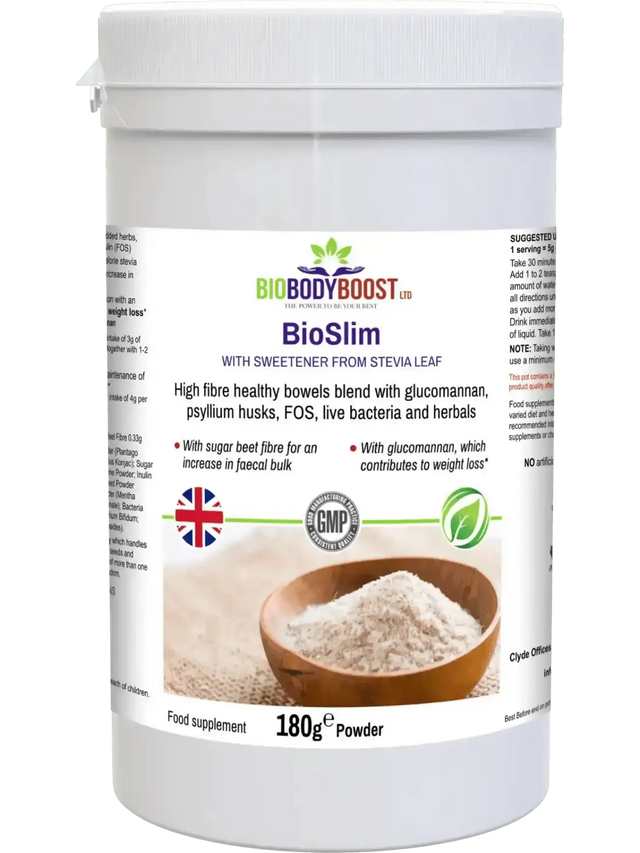
- Glucomannan (EFSA-authorised): the only dietary fibre with an EFSA-authorised blood glucose claim. BioSlim provides 1.05g glucomannan per serving (3g/day for EFSA claim). Halal certified.
Testosterone suppression in South Asian men — the triple mechanism
Low testosterone is more prevalent in South Asian men than commonly acknowledged, driven by three overlapping mechanisms:
- Vitamin D deficiency → reduced Leydig cell testosterone synthesis (as above — Pilz 2011: 25.2% increase from D3 supplementation)
- Insulin resistance → lower SHBG → lower free testosterone: insulin resistance reduces sex hormone-binding globulin (SHBG) — paradoxically, lower SHBG increases free testosterone percentage BUT simultaneously increases oestrogen conversion via aromatase, reducing net testosterone activity
- Chronic stress → elevated cortisol → HPG axis suppression: chronic cortisol elevation directly suppresses the hypothalamic-pituitary-gonadal axis. Ashwagandha KSM-66 at 600mg/day significantly reduces cortisol by 23% (Langade 2019 RCT) and significantly increases testosterone in stressed men (Wankhede 2015 RCT). ZenBlend — KSM-66 + rhodiola + L-theanine + niacin. Halal certified.
The South Asian men’s halal supplement stack
| Priority | Supplement | Primary benefit |
|---|---|---|
| 1 — essential | Lipovita D3+K2 | Correct near-universal D3 deficiency, support testosterone + insulin sensitivity |
| 2 — essential | Magnesium 3 Complex | Insulin receptor function + testosterone (zinc NRV) + sleep quality |
| 3 — high value | ZenBlend | Cortisol reduction, testosterone support, energy |
| 4 — targeted | CardioVital | Cardiovascular risk support (nattokinase for blood fluidity) |
| 5 — targeted | OmegaBalance | Triglycerides, inflammation, cardiovascular risk reduction |
Why do South Asian men have higher diabetes risk UK?
South Asian adults in the UK develop type 2 diabetes at rates approximately 6 times higher than white European adults, typically at a younger age and lower BMI. The key mechanisms: visceral adiposity at lower BMI (visceral fat drives insulin resistance), dietary glycaemic load, near-universal vitamin D deficiency (which directly impairs insulin sensitivity), and lower skeletal muscle mass per BMI unit (muscle is the primary site of insulin-stimulated glucose uptake). The NHS provides guidance on type 2 diabetes risk and prevention and specifically identifies South Asian ethnicity as a risk factor.
Does vitamin D increase testosterone in South Asian men?
In deficient men: yes, significantly. Pilz et al. 2011 (Hormone and Metabolic Research, RCT): vitamin D3 supplementation increased total testosterone by 25.2% in deficient men over 12 months. Given that 80–90%+ of South Asian men in the UK are vitamin D deficient, correcting this deficiency is one of the most impactful testosterone-support interventions available — and one that costs a fraction of commercial testosterone boosters. Get a serum 25(OH)D test from your GP to confirm deficiency before supplementing at therapeutic doses.
BioBodyBoost — Halal Certified UK Supplements
Use code HALAL10 for 10% off your first order — halal approved under UHA Certificate Ref. 24623, vegan, UK made. Shop the full range →